

Prosthetic feet and knees are among the most advanced and functionally critical components of lower-limb prosthetic systems. Their purpose extends far beyond cosmetic replacement—they are engineered to restore mobility, stability, energy efficiency, and safety for individuals with limb loss. Drawing from classical prosthetic literature such as the Atlas of Prosthetics and Sunder’s Prosthetics & Orthotics, this guide explains how prosthetic feet and knees work, their types, biomechanical principles, and clinical applications.
This article is designed for patients, clinicians, students, and rehabilitation professionals seeking a clear yet in-depth understanding of lower-limb prosthetics.
Understanding Human Gait: The Basis of Prosthetic Design
Human walking, or gait, is a highly coordinated biomechanical process divided into two primary phases:
- Stance Phase (≈60%) – when the foot is in contact with the ground
- Swing Phase (≈40%) – when the limb moves forward to take the next step
During normal gait, the anatomical foot and knee perform several essential functions:
- Shock absorption at heel contact
- Stability during mid-stance
- Controlled forward progression
- Energy storage and release
- Safe limb clearance during swing
Since prosthetic components lack muscles and sensory feedback, prosthetic design relies on mechanical alignment, material properties, and geometry to replicate these functions as efficiently as possible.
How Prosthetic Feet Work
Role of a Prosthetic Foot
A prosthetic foot must perform multiple biomechanical tasks simultaneously:
- Support body weight
- Absorb ground reaction forces
- Maintain balance and stability
- Enable smooth rollover from heel to toe
- Adapt to terrain, depending on design
Unlike a biological foot, prosthetic feet do not actively generate power. Instead, they use passive or semi-active mechanisms such as elastic deformation, heel compression, and keels to simulate natural movement.
Types of Prosthetic Feet and Their Working Principles
1. SACH Foot (Solid Ankle Cushion Heel)
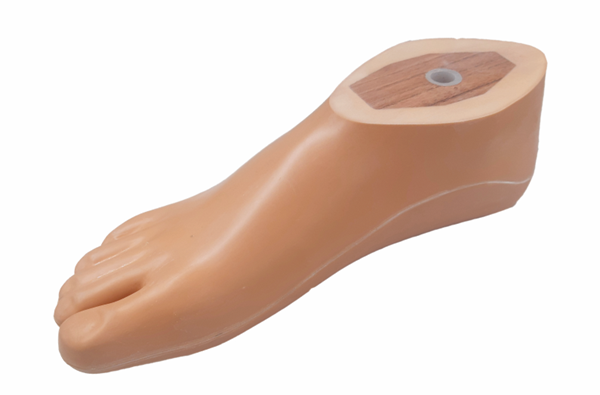
The SACH foot is one of the oldest and most widely used prosthetic feet globally.
How it works:
- A soft cushioned heel compresses during heel strike, simulating plantarflexion
- A rigid internal keel provides mid-stance stability
- No mechanical ankle motion
Advantages:
- Excellent stability
- Low maintenance
- Cost-effective
Limitations:
- No energy return
- Limited adaptability to uneven terrain
Best suited for:
Low to moderate activity users.
2. Single-Axis Prosthetic Foot
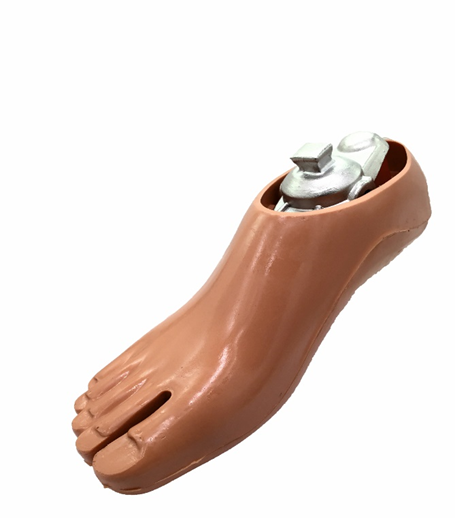
This design includes a mechanical ankle joint.
How it works:
- Allows controlled plantarflexion and dorsiflexion
- Improves knee stability during early stance, particularly for transfemoral amputees
Clinical benefit:
Enhanced stability during heel strike and walking on slopes.
3. Multi-Axis Prosthetic Foot
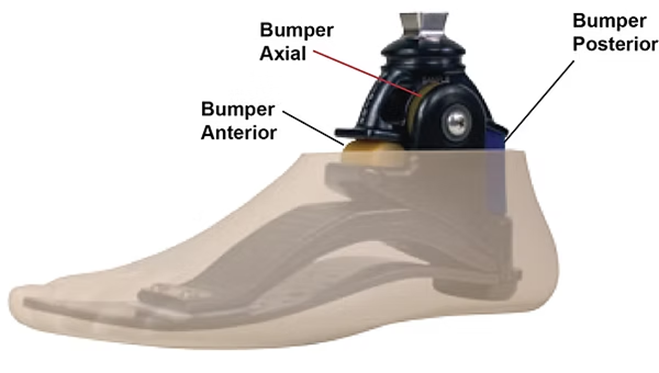
Multi-axis feet allow movement in more than one plane.
How it works:
- Permits inversion, eversion, and limited rotation
- Adapts better to uneven surfaces
Advantages:
- Reduced stress on the residual limb
- Improved comfort
Best suited for:
Moderate activity users who walk on varied terrain.
4. Dynamic Response (Carbon Fiber) Prosthetic Foot
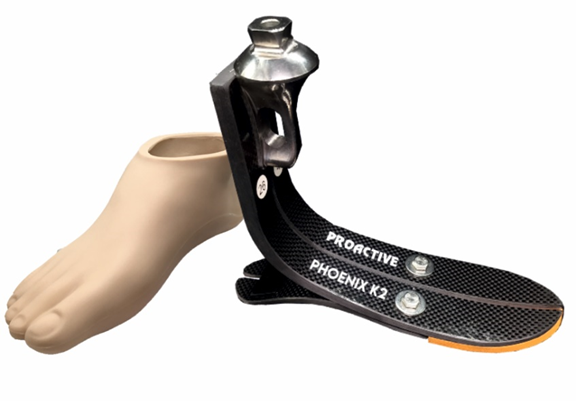
Carbon fiber feet represent a major advancement in prosthetic technology.
How it works:
- Carbon keel bends under load during mid-stance
- Stores mechanical energy
- Releases energy at toe-off, assisting forward propulsion
Advantages:
- Improved walking efficiency
- Reduced energy expenditure
- More natural gait pattern
Limitations:
- Higher cost
- Requires precise alignment
Best suited for:
Active users with higher functional demands.
How Prosthetic Knees Work
Prosthetic knees are used in transfemoral (above-knee) amputees and are biomechanically more complex than prosthetic feet.
Primary Functions of a Prosthetic Knee
A prosthetic knee must:
- Prevent knee buckling during stance
- Allow controlled knee flexion and extension
- Adapt to different walking speeds (cadence)
- Provide safety during unexpected disturbances
Failure of knee control can result in falls, making knee selection critical.
Types of Prosthetic Knee Joints Explained
1. Manual Lock Knee
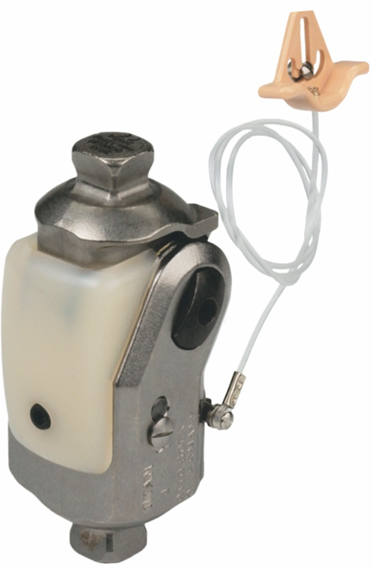
The simplest and most stable design.
How it works:
- Knee remains locked during walking
- Manually unlocked for sitting
Advantages:
- Maximum stability
Limitations:
- Unnatural gait
- High energy consumption
Best suited for:
Users with poor balance or weak residual limbs.
2. Single-Axis Prosthetic Knee
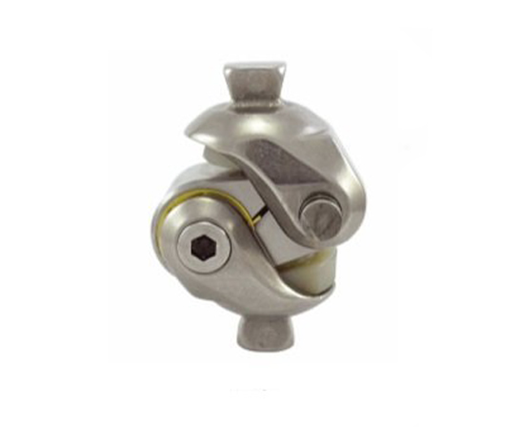
This knee has one hinge axis.
Biomechanical principle:
- Stability depends on alignment
- When the ground reaction force passes in front of the knee axis, the knee remains stable
Advantages:
- Lightweight
- Simple design
Limitations:
- Requires good user control
3. Polycentric (Four-Bar) Knee
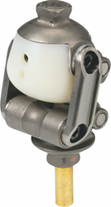
Uses multiple axes of rotation.
How it works:
- Instant center of rotation changes during gait
- Shortens the limb during swing phase
Advantages:
- Improved toe clearance
- Better cosmetic appearance
- Increased stance stability
4. Hydraulic and Pneumatic Prosthetic Knee


These knees use fluid or air resistance.
How they work:
- Resistance controls knee flexion and extension
- Automatically adapts to walking speed
Advantages:
- Smooth gait
- Variable cadence control
Best suited for:
Moderate to high activity users.
5. Microprocessor-Controlled Knees (MPKs)
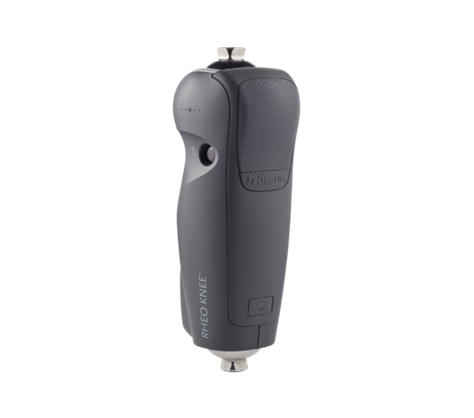
The most advanced prosthetic knee technology available.
How they work:
- Sensors detect speed, load, knee angle, and terrain
- A microprocessor adjusts resistance in real time
Clinical benefits:
- Reduced fall risk
- Improved confidence
- Highly natural walking pattern
Limitations:
- Expensive
- Requires charging and maintenance
The Importance of Prosthetic Alignment
According to classical prosthetic biomechanics, alignment is as critical as component selection.
- Foot alignment affects heel strike, rollover, and stability
- Knee alignment determines stance security and swing control
- Poor alignment increases energy expenditure and risk of injury
All prosthetic alignment must be performed by a qualified prosthetist.
Matching Prosthetic Feet and Knees to the User
Successful prosthetic outcomes depend on multiple factors:
- Level of amputation
- Body weight
- Functional activity level (K-Level)
- Occupation and lifestyle
- Environmental and cultural needs
There is no universal prosthetic solution—each prosthesis must be individually prescribed.
Conclusion
Prosthetic feet and knees are sophisticated biomechanical systems developed through decades of research, clinical experience, and technological innovation. From basic SACH feet to advanced microprocessor-controlled knees, each component serves a specific purpose in restoring mobility and independence.
The ultimate goal of prosthetics is not just walking—but restoring quality of life, dignity, and confidence.
Frequently Asked Questions (FAQ)
1. How do prosthetic feet work?
Prosthetic feet work by absorbing shock, supporting body weight, and enabling smooth forward movement. They use mechanical components such as cushioned heels, keels, and flexible materials to simulate the natural functions of the human foot during walking.
2. What are the different types of prosthetic feet?
Common types of prosthetic feet include SACH (Solid Ankle Cushion Heel) feet, single-axis feet, multi-axis feet, and dynamic response (carbon fiber) feet. Each type is designed for different activity levels and functional needs.
3. How does a prosthetic knee joint work?
A prosthetic knee joint provides stability during standing and controlled movement during walking. Depending on the design, it may rely on mechanical alignment, hydraulic or pneumatic resistance, or microprocessor-controlled systems to ensure safe and efficient gait.
4. What is the difference between a SACH foot and a carbon fiber foot?
A SACH foot offers basic stability and shock absorption using a cushioned heel and rigid keel. A carbon fiber foot stores and releases energy during walking, resulting in improved efficiency, reduced fatigue, and a more natural gait pattern.
5. Who needs a prosthetic knee?
Prosthetic knees are required by individuals with above-knee (transfemoral) amputations. The type of knee is selected based on the user’s activity level, body weight, balance, and lifestyle.
6. What are microprocessor-controlled prosthetic knees?
Microprocessor-controlled knees use sensors and onboard computers to continuously adjust resistance during walking. They improve stability, reduce the risk of falls, and allow smoother walking on different terrains and speeds.
7. Why is alignment important in prosthetic feet and knees?
Proper alignment is essential for stability, comfort, and energy-efficient walking. Incorrect alignment can cause pain, instability, abnormal gait patterns, and increased risk of falls or injury.
8. Can prosthetic feet be used on uneven surfaces?
Yes, multi-axis and dynamic response prosthetic feet are better suited for uneven surfaces. Basic feet such as SACH feet provide limited adaptability and are most effective on level ground.
9. How long do prosthetic feet and knees last?
The lifespan of prosthetic components depends on activity level, body weight, and maintenance. On average, prosthetic feet last 2–5 years, while prosthetic knees may last longer with regular servicing and proper use.
10. How is the right prosthetic foot or knee selected?
The right prosthetic foot or knee is selected by a qualified prosthetist based on the level of amputation, body weight, functional activity level (K-level), walking ability, occupation, and daily lifestyle needs.