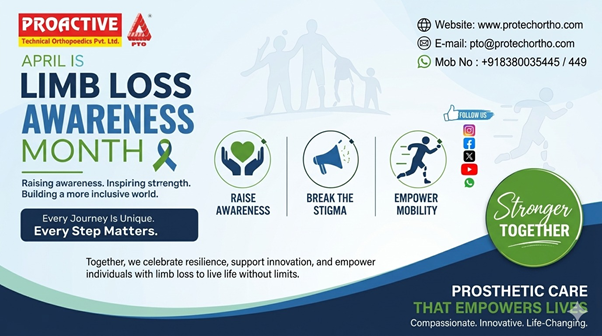

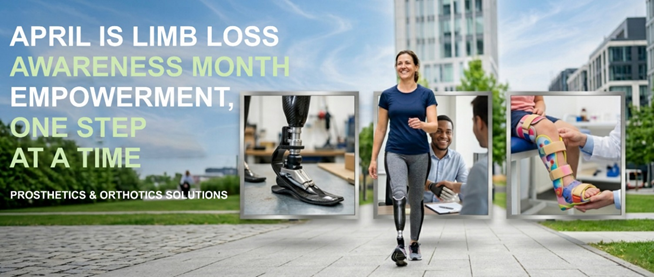

April is recognized as Limb Loss Awareness Month, a dedicated time to raise awareness about limb loss, support individuals living with limb differences, and highlight the importance of prosthetic and orthotic rehabilitation. This month plays a vital role in educating patients, caregivers, and healthcare professionals about modern prosthetic solutions, early rehabilitation, and improving quality of life after amputation.
Limb Loss Awareness Month also focuses on promoting inclusion, reducing stigma, and encouraging access to proper prosthetic and orthotic care. With advancements in technology and rehabilitation, individuals with limb loss today can lead active, independent, and productive lives. This awareness initiative helps communities better understand the challenges faced by people with limb loss and the role of prosthetic professionals in restoring mobility and confidence.
Understanding Limb Loss and Limb Difference
Limb loss refers to the absence of a limb due to amputation or congenital limb difference. It can occur because of trauma, diabetes, vascular disease, infection, tumors, or birth-related conditions. The number of people living with limb loss is increasing worldwide, especially due to diabetes-related complications and peripheral vascular diseases.
Limb loss affects more than just physical mobility. Individuals may experience emotional, psychological, and social challenges. Everyday activities such as walking, working, and participating in community life may initially become difficult. Limb Loss Awareness Month helps highlight these challenges and encourages access to rehabilitation and prosthetic care.
Importance of Limb Loss Awareness Month
April serves as an important opportunity for prosthetic and orthotic professionals to educate communities and patients. Awareness activities during this month focus on:
- Educating about causes of limb loss
- Promoting limb loss prevention
- Highlighting prosthetic and orthotic rehabilitation
- Supporting emotional recovery after amputation
- Encouraging early prosthetic fitting
- Improving accessibility and inclusion
- Promoting multidisciplinary care
These awareness efforts help individuals understand that limb loss is not the end of mobility. With proper rehabilitation and prosthetic support, individuals can return to active and independent lifestyles.
Role of Prosthetists and Orthotists
Prosthetists and orthotists play a crucial role in rehabilitation after limb loss. Their work includes evaluating the patient, designing customized devices, and guiding them throughout the recovery journey. Prosthetic rehabilitation is a long-term process that requires continuous monitoring and adjustments.
The role of prosthetic and orthotic professionals includes:
- Patient assessment and evaluation
- Residual limb management
- Prosthetic socket design and fitting
- Component selection based on patient activity level
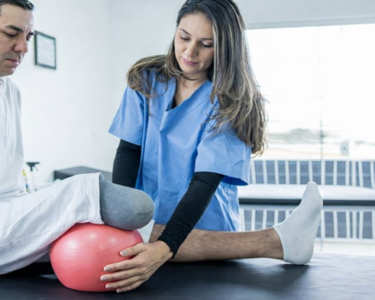
- Coordination with physiotherapy
- Gait training support
- Patient education and counseling
- Follow-up care and adjustments
During Limb Loss Awareness Month, the contributions of prosthetic professionals are highlighted to help patients understand the importance of specialized rehabilitation care.
Early Rehabilitation After Limb Loss
Early rehabilitation is essential for successful prosthetic outcomes. After amputation, proper residual limb care, positioning, and strengthening exercises help prepare the patient for prosthetic fitting. Early mobility training also improves confidence and reduces complications.
Benefits of early prosthetic rehabilitation include:
- Faster recovery and mobility
- Reduced muscle weakness
- Improved balance and coordination
- Better residual limb shaping
- Prevention of joint contractures
- Improved patient confidence
- Better long-term prosthetic outcomes
Starting rehabilitation early helps individuals return to daily life more quickly and improves overall quality of life.
Advancements in Prosthetic Technology
Modern prosthetic technology has significantly improved mobility and comfort for individuals with limb loss. Today’s prosthetic devices are lighter, more functional, and designed to match individual activity levels.
Recent advancements include:
- Microprocessor-controlled knee systems
- Dynamic response prosthetic feet
- Lightweight carbon fiber components
- Silicone liners for comfort and protection
- Vacuum suspension systems
- Myoelectric upper limb prostheses
- Waterproof prosthetic components
These innovations allow individuals to walk more naturally, maintain balance, and participate in work and recreational activities. Limb Loss Awareness Month is an ideal time to educate patients about available prosthetic options.
Emotional and Psychological Impact of Limb Loss
Limb loss affects emotional well-being as much as physical function. Many individuals experience fear, anxiety, or uncertainty about their future after amputation. Psychological support is an essential part of rehabilitation.
Prosthetic professionals help by:
- Providing motivation and reassurance
- Setting realistic rehabilitation goals
- Educating families and caregivers
- Encouraging peer support
- Celebrating progress and milestones
Awareness initiatives during April help create supportive environments for individuals adjusting to limb loss.
Role of Orthotics in Limb Loss Management
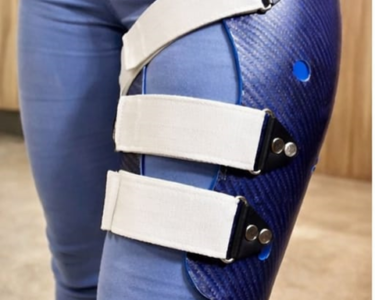
Orthotic devices also play an important role in limb loss rehabilitation. Orthoses may be used before or after amputation to improve outcomes and support mobility.
Orthotic applications include:
- Contracture prevention orthoses
- Post-operative positioning devices
- Residual limb protection
- Gait training support
- Posture correction
- Limb preservation support
The combination of prosthetic and orthotic care helps provide comprehensive rehabilitation.
Multidisciplinary Rehabilitation Approach
Successful rehabilitation requires teamwork among healthcare professionals. A multidisciplinary approach includes:
- Orthopedic surgeons
- Prosthetists and orthotists
- Physiotherapists
- Occupational therapists
- Rehabilitation physicians
- Psychologists
- Social workers
This team works together to improve mobility, independence, and emotional well-being. Limb Loss Awareness Month emphasizes the importance of coordinated rehabilitation.
Patient-Centered Prosthetic Care
Modern prosthetic care focuses on individual patient needs. Each patient has different goals, whether returning to work, walking independently, or participating in sports.
Prosthetic design depends on:
- Activity level
- Age and medical condition
- Occupation
- Lifestyle requirements
- Functional goals
- Cosmetic preference
- Budget considerations
Patient involvement in decision-making improves satisfaction and prosthetic acceptance.
Preventing Limb Loss
Another key objective of Limb Loss Awareness Month is prevention. Many amputations can be avoided with early medical care and proper foot protection, especially in diabetic patients.
Preventive strategies include:
- Regular diabetic foot checks
- Proper footwear and orthotics
- Early treatment of wounds
- Blood sugar control
- Vascular health monitoring
- Injury prevention education
- Regular medical follow-up
Prosthetic and orthotic clinics often use April to educate patients about limb preservation.
Community Awareness and Inclusion
Community support is essential for individuals living with limb loss. Awareness programs encourage:
- Accessible infrastructure
- Inclusive workplaces
- School support for children with limb difference
- Adaptive sports opportunities
- Public education campaigns
- Peer support groups
Inclusive communities help individuals with limb loss regain independence and confidence.
Future of Prosthetic and Orthotic Field
The future of prosthetic and orthotic care is rapidly advancing with new technologies such as:
- Bionic prosthetic limbs
- AI-based gait analysis
- 3D printed prosthetic sockets
- Smart pressure monitoring systems
- Neural-controlled prostheses
- Lightweight advanced materials
These innovations aim to improve comfort, mobility, and overall patient experience.
Conclusion
April, Limb Loss Awareness Month, is an important time to educate communities, support individuals with limb loss, and promote advancements in prosthetic and orthotic care. Awareness initiatives highlight the importance of early rehabilitation, patient-centered care, and modern prosthetic technology.
With proper rehabilitation, emotional support, and advanced prosthetic solutions, individuals with limb loss can achieve independence and improved quality of life. Prosthetic and orthotic professionals play a key role in this journey by providing customized care, guidance, and long-term support.
By spreading awareness during April, we help create inclusive communities, improve access to prosthetic services, and empower individuals living with limb loss to lead active and confident life.