


Summary: Choosing the right prosthetist is one of the most important decisions for anyone using or planning to use a prosthetic limb. The right specialist ensures comfort, mobility, and long-term confidence with the prosthesis. This blog explains how to evaluate prosthetists, what questions to ask, key qualifications to look for, and how to make an informed decision that supports physical, emotional, and lifestyle needs.
A prosthetic limb can transform mobility and independence — but only when fitted and designed by a skilled prosthetist. Every patient’s body, lifestyle, and medical history are unique, so prosthetic care is not a one-size-fits-all service. Finding the right prosthetist involves assessing experience, credentials, technology expertise, communication skills, and patient-centered care. This guide will help you make a confident and informed choice by highlighting what to look for and which questions to ask during consultations.
What Does a Prosthetist Do?
A prosthetist is a certified medical professional who designs, custom-fits, modifies, and maintains prosthetic limbs for individuals with limb loss. Their responsibilities include:
- Evaluating patient needs and lifestyle
- Designing prosthetic solutions tailored to activities and comfort
- Custom fitting and alignment adjustments
- Providing gait training and after-care support
- Guiding patients through upgrades and maintenance over time
A prosthetist plays a long-term role in a patient’s life, so trust, expertise, and good communication are essential.
Essential Qualifications to Look For –
When evaluating prosthetists, consider the following core qualifications:
1. Professional Certification and Training
A certified prosthetist should have:
- A recognized degree or diploma in prosthetics and orthotics
- Registration with professional boards or rehabilitation bodies
- Hands-on clinical experience with different kinds of prosthetics
Certification proves that the prosthetist meets medical and safety standards.
2. Experience with Your Type of Amputation
Different prosthetic requirements exist for above-knee, below-knee, upper-limb, pediatric, and sport-specific prosthetics. Choose someone who has a proven track record working with your type of prosthesis.
3. Expertise in Latest Prosthetic Technology
Modern prosthetics include:
- Microprocessor-controlled knees
- Myoelectric prosthetic arms
- Carbon-fiber energy-return feet
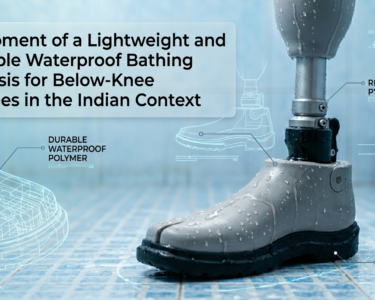
- Waterproof and sports-specific prostheses
A skilled prosthetist stays updated with technological advancements and can recommend suitable features within your budget and lifestyle.
4. Patient-Centered Approach
The best prosthetist:
- Listens carefully to patient concerns
- Encourages questions
- Makes users feel comfortable during fittings
- Values long-term support rather than just the initial fitting
5. Post-Fitting Care and Support
Prosthetic needs evolve with time. A reliable prosthetist provides:
- Follow-up appointments
- Alignment corrections
- Maintenance and repairs
- Guidance on upgrades and wear-and-tear changes
A strong support system ensures comfort and mobility for many years, especially when working with the best prosthetics manufacturer in India, who provides high-quality components and long-term service support.
Important Questions to Ask During Consultation
Before selecting a prosthetist, ask the following questions to understand their approach and expertise:
1. What certifications and training do you have?
This confirms professional qualifications and industry standards.
2. How many patients have you treated with my type of amputation?
Relevant experience ensures better precision and comfort.
3. What prosthetic designs or technologies do you recommend for my lifestyle?
Their answer should reflect both medical and activity needs.
4. How do you handle alignment issues and socket adjustments after delivery?
Frequent adjustments are normal in the early stages.
5. What is the estimated timeline for evaluation, fitting, and follow-ups?
A clear roadmap helps manage expectations.
6. What kind of warranty or maintenance service do you offer?
Prosthetics are a long-term investment and require ongoing support.
7. Will you coordinate with my physiotherapist or rehabilitation team?
A multidisciplinary approach improves gait training and mobility.
8. What is the cost breakdown and what insurance/payment options are available?
Transparency avoids unexpected expenses.
9. Can I speak with past patients or see testimonials?
Experience and patient satisfaction are strong indicators of quality.
10. Do you provide trial fittings or demo components?
Testing before final fabrication enhances comfort and confidence.
Signs You’ve Found the Right Prosthetist
You are likely in good hands if the prosthetist:
- Gives importance to comfort and mobility rather than selling features
- Takes time to understand your goals, pain points, and daily routine
- Makes socket adjustments without hesitation
- Explains technology in simple and patient-friendly language
- Builds a positive and reassuring relationship
A good prosthetist doesn’t just fit a prosthesis — they help you rebuild confidence, independence, and lifestyle.
A Perfect Prosthesis Begins with the Right Prosthetist!
Choosing a prosthetist is not just a technical decision — it is an emotional and life-changing partnership. When you ask the right questions and evaluate qualifications carefully, you secure long-term comfort, mobility, and dignity. Take your time, compare options, and ensure that the prosthetist prioritizes your needs, activity goals, and personal comfort. For those looking for trusted services and quality components from the best prosthetics supplier in India, partnering with the right expert makes the journey toward independence smoother and more fulfilling.
For advanced prosthetic solutions, expert fittings, and lifelong support, contact PROACTIVE Technical Orthopaedics Pvt. Ltd — delivering comfort, technology, and mobility you can trust.