


Prosthetic legs and arms help people who have lost a limb due to an accident, illness, or from birth. A prosthetic limb allows a person to walk, use their hands, stay independent, and feel confident again. In this article, we will cover the Different Types of Prosthetic Legs and Arms – Explained Simply.
As a prosthetist, I have worked with patients of all ages and activity levels. One important thing I always explain is that there is no single “best” prosthesis for everyone. The right prosthetic limb depends on:
- Lifestyle
- Activity level
- Medical condition
- Budget
In this article, I will explain the different types of prosthetic legs and arms in simple, patient-friendly language.
What Is a Prosthetic Limb?
A prosthetic limb is an artificial arm or leg that replaces a missing limb. It helps with:
- Walking
- Holding and lifting objects
- Balance
- Improving appearance
Modern prosthetic limbs are made from lightweight and strong materials such as carbon fiber, plastic, aluminum, and silicone, making them comfortable and durable.
Understanding the Different Types of Prosthetic Legs and Arms – Explained Simply can empower individuals in their journey toward recovery and adaptation.
LOWER LIMB (LEG) PROSTHETICS
1. Hip Disarticulation Amputation

What does this mean?
In hip disarticulation, the entire leg is removed from the hip joint. No thigh bone (femur) remains.
What does the prosthesis include?
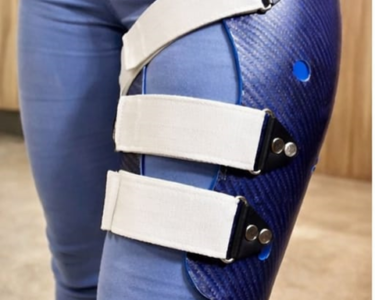
- A pelvic socket (fits around the waist and hips)
- Artificial hip joint
- Artificial knee joint
- Prosthetic foot
What is walking like?
- Walking is possible
- Requires a lot of energy
- Balance is more difficult
- Strong upper body and core muscles are needed
Many patients use a wheelchair and prosthesis together for daily life.
2. Transfemoral (Above-Knee) Amputation

What does this mean?
The leg is amputated above the knee, but part of the thigh bone remains.
Prosthetic components
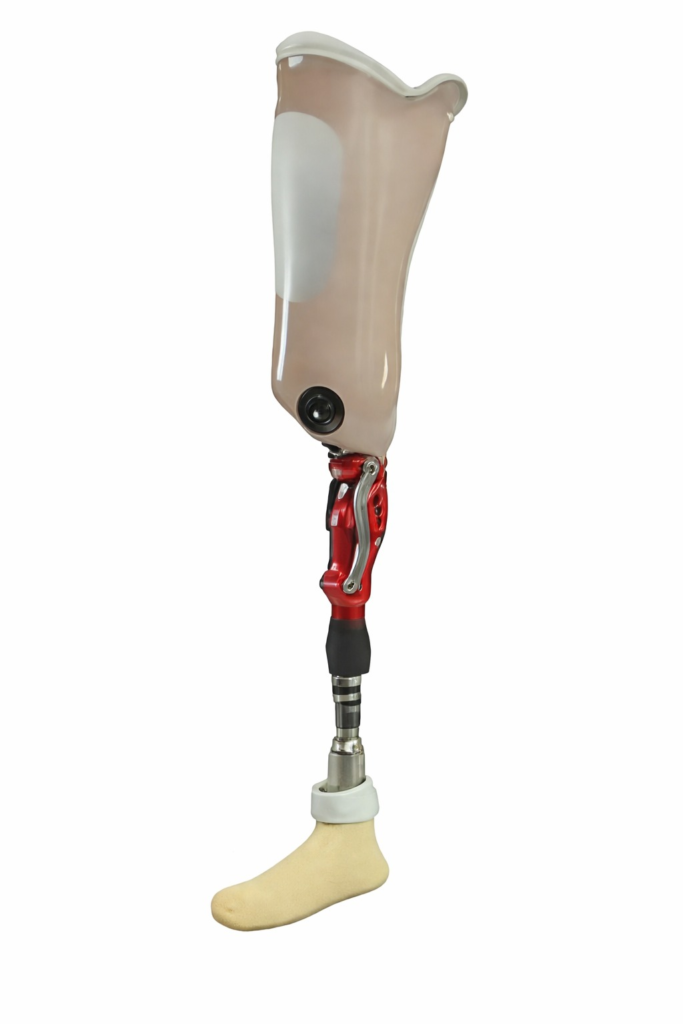
- Thigh socket
- Artificial knee joint (mechanical or microprocessor-controlled)
- Prosthetic foot
Patient experience
- Walking requires more energy than below-knee amputations
- Knee selection is very important for safety
- Advanced knees improve confidence and stability
3. Knee Disarticulation Amputation
What does this mean?
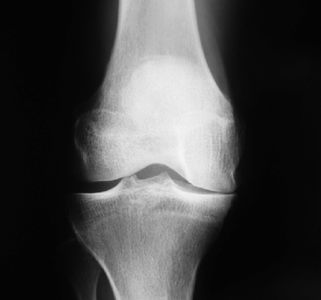
The lower leg is removed through the knee joint, while the full thigh bone is preserved.
Advantages
- Body weight can be supported directly on the limb
- Excellent control of the prosthesis
- Very stable walking pattern
Best suited for
- Children
- Trauma patients
- People who need strong, durable prosthetic legs
4. Transtibial (Below-Knee) Amputation
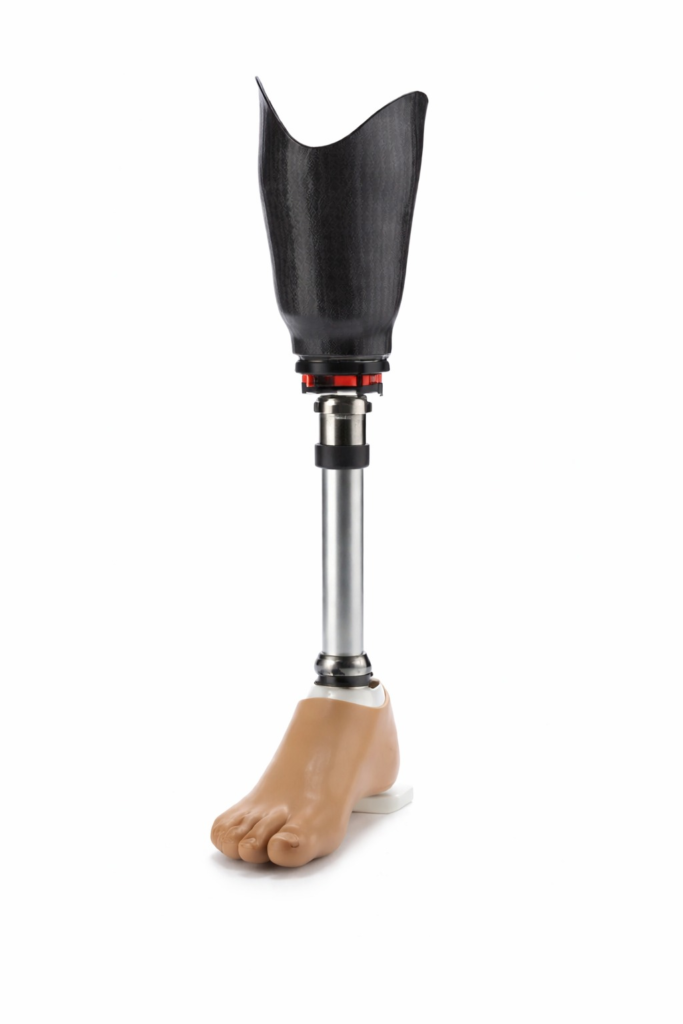
What does this mean?
The leg is amputated below the knee, and the natural knee joint is preserved.
Why is this level so successful?
- Walking is easier and more natural
- Less energy is needed
- Rehabilitation is faster
- Better balance and control
5. Syme’s Amputation

What does this mean?
The foot is removed at the ankle joint, while the heel pad is preserved.
Advantages
- Full weight-bearing on the limb
- Very stable walking
- Minimal energy loss
Limitations
- Prosthesis may look bulky at the ankle
- Shoe options may be limited
Advanced Prosthetic Legs
6. Microprocessor-Controlled Prosthetic Legs
These are advanced prosthetic legs with built-in sensors and computer chips that adjust automatically while walking.
Advantages
- More natural walking
- Better balance on uneven surfaces
- Reduced risk of falling
Disadvantages
- More expensive
- Require charging and maintenance
7. Sports and Activity Prosthetic Legs
These prosthetic legs are designed for running, sports, gym activities, and cycling.
✔ Lightweight and flexible
✔ Best for active and athletic users
✔ Usually separate from the daily-use prosthesis
UPPER LIMB (ARM) PROSTHETICS
1. Transradial (Below-Elbow) Amputation
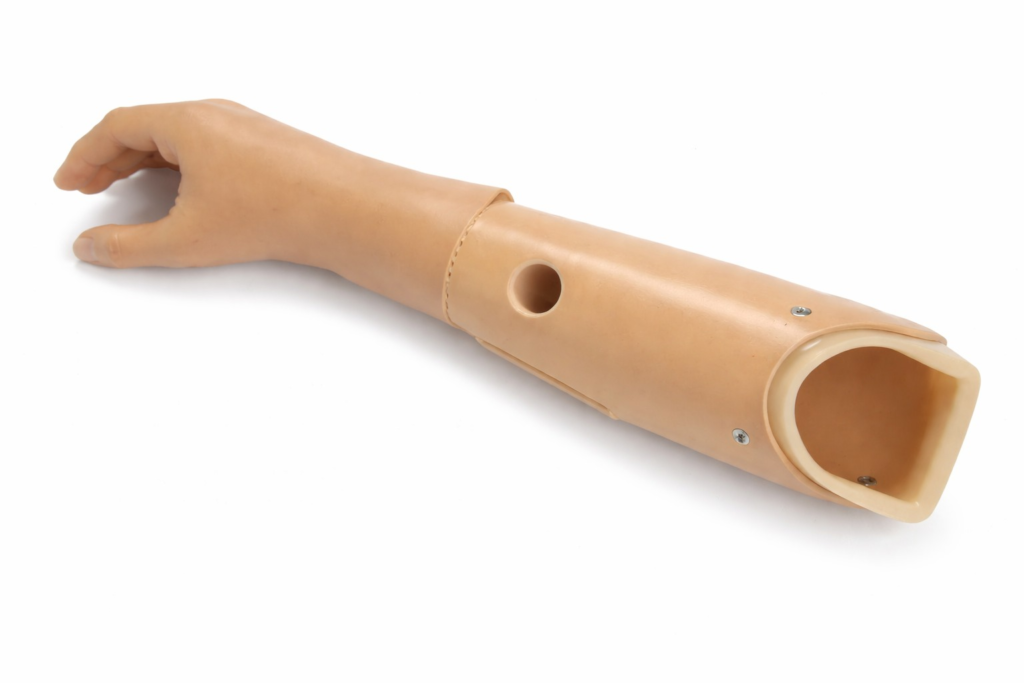
What does this mean?
The arm is amputated below the elbow, while elbow movement is preserved.
Advantages
- High level of control
- Less energy required
- Many prosthetic hand options
Prosthetic options
- Passive hand (cosmetic)
- Body-powered hook or hand
- Myoelectric hand
2. Transhumeral (Above-Elbow) Amputation
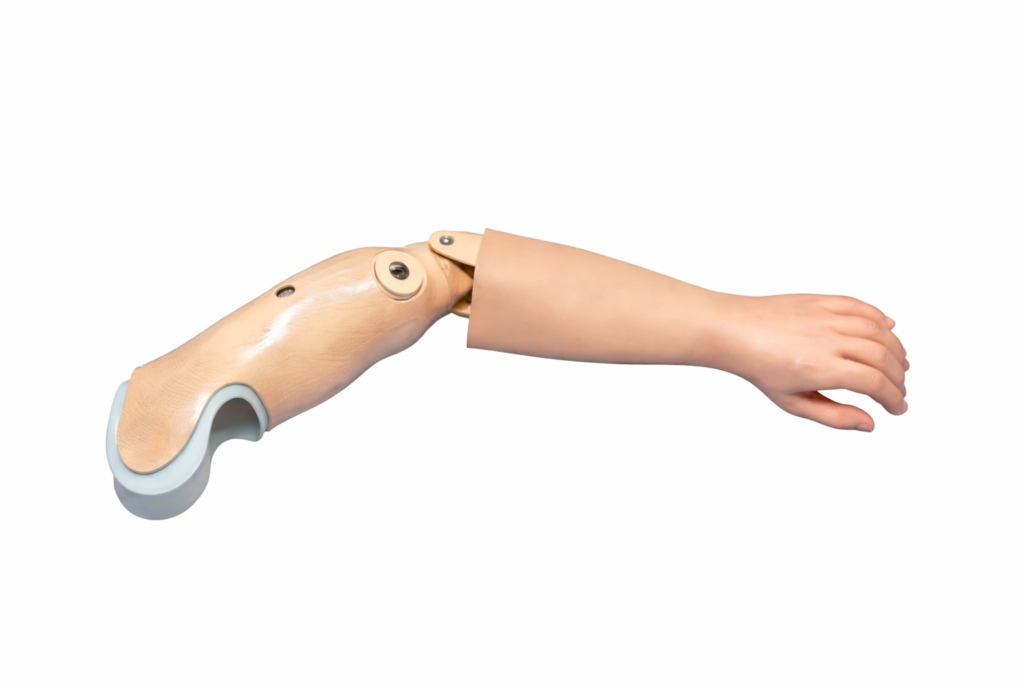
What does this mean?
The arm is amputated above the elbow joint.
Challenges
- Requires an artificial elbow
- More complex control
- Longer training period
Prosthetic systems
- Body-powered prostheses
- Myoelectric prostheses
- Hybrid systems
Why Is Level-Specific Prosthetic Planning Important?
Each amputation level requires:
- A customized socket
- Correct component selection
- Proper rehabilitation program
- Regular follow-up adjustments
Ignoring these factors can lead to:
- Pain and discomfort
- Skin problems
- Poor walking or hand function
- Rejection of the prosthesis
Simple Conclusion
A prosthetic limb is not just a device — it is a tool that helps restore independence and confidence.
Best results are achieved when:
- The prosthesis fits properly
- Rehabilitation is done correctly
- The patient stays motivated
- The prosthetist and patient work as a team
FAQs About Prosthetic Legs, Arms, and Amputation Levels
1. What are the different levels of lower-limb amputation?
Lower-limb amputation levels include hip disarticulation, transfemoral (above-knee), knee disarticulation, transtibial (below-knee), and Syme’s amputation. Each level affects prosthetic design, walking ability, energy consumption, and rehabilitation outcomes.
2. Which amputation level is best for walking with a prosthetic leg?
Below-knee (transtibial) and Syme’s amputation generally provide the best walking outcomes because the natural knee joint is preserved. These levels require less energy, offer better balance, and allow faster rehabilitation.
3. What is a hip disarticulation prosthesis?
A hip disarticulation prosthesis is used when the entire leg is removed at the hip joint. It includes a pelvic socket, artificial hip and knee joints, and a prosthetic foot. Walking is possible but requires high energy and extensive rehabilitation.
4. What is the difference between knee disarticulation and above-knee amputation?
In knee disarticulation, the leg is amputated through the knee joint, preserving the full femur and allowing end-bearing. In above-knee amputation, part of the femur is removed, and an artificial knee joint is required. Knee disarticulation provides better control and stability.
5. What is a Syme’s prosthesis and who should use it?
A Syme’s prosthesis is used when the foot is amputated at the ankle joint while preserving the heel pad. It is ideal for patients who need a strong, durable, end-bearing prosthesis with excellent walking stability.
6. What type of prosthetic leg is best for active individuals?
Active individuals benefit from energy-storing prosthetic feet, microprocessor-controlled knees, and sports-specific prostheses. Component selection depends on the amputation level and activity demands.
7. Are microprocessor-controlled prosthetic knees worth the cost?
Yes, for many users. Microprocessor knees improve safety, walking efficiency, and stability on uneven surfaces. However, mechanical knees remain a reliable and cost-effective option for lower-activity users.
8. How long does it take to learn to walk with a prosthetic leg?
Learning time depends on amputation level and rehabilitation.
- Below-knee amputees may adapt in 4–8 weeks
- Above-knee or hip disarticulation amputees may require 3–6 months or longer
9. What are the main types of prosthetic arms?
Prosthetic arms include passive prostheses, body-powered prostheses, myoelectric prostheses, and hybrid prosthetic arms. Selection depends on amputation level, functional needs, and lifestyle.
10. Which upper-limb amputation level has the best prosthetic function?
Below-elbow (transradial) amputation offers the best functional outcome because the natural elbow joint is preserved, allowing better control, strength, and precision.
11. What is the difference between body-powered and myoelectric prosthetic arms?
Body-powered prosthetic arms use cables and harnesses controlled by body movement, while myoelectric arms use muscle signals to move the hand. Myoelectric arms offer better appearance and fine motor control, while body-powered arms are durable and low-maintenance.
12. How often does a prosthetic limb need replacement?
Most prosthetic limbs require major replacement or socket refitting every 3–5 years, depending on wear, activity level, and body changes. Children may require more frequent updates due to growth.
13. Can prosthetic limbs be used for sports and exercise?
Yes. There are specialized prosthetic limbs for running, swimming, cycling, and high-impact sports. Sports prostheses are designed to improve performance and reduce injury risk.
14. Is prosthetic walking painful?
Prosthetic walking should not be painful if the prosthesis fits correctly. Persistent pain indicates poor socket fit, alignment issues, or skin problems and should be addressed by a prosthetist immediately.
15. Why is regular follow-up with a prosthetist important?
Regular follow-ups ensure proper fit, comfort, alignment, and function. Adjustments help prevent skin problems, improve walking efficiency, and extend the life of the prosthetic limb.