

Summary: Living with a prosthetic limb does not mean giving up an active lifestyle. With the right prosthetic device, proper rehabilitation, and a commitment to physical well-being, individuals can participate in sports, exercise, travel, work, and recreational activities with confidence. Modern prosthetic technology has opened new opportunities for people with limb loss to stay healthy, independent, and engaged in the activities they enjoy. This guide explores practical strategies for maintaining an active lifestyle while maximizing the benefits of a prosthetic limb.
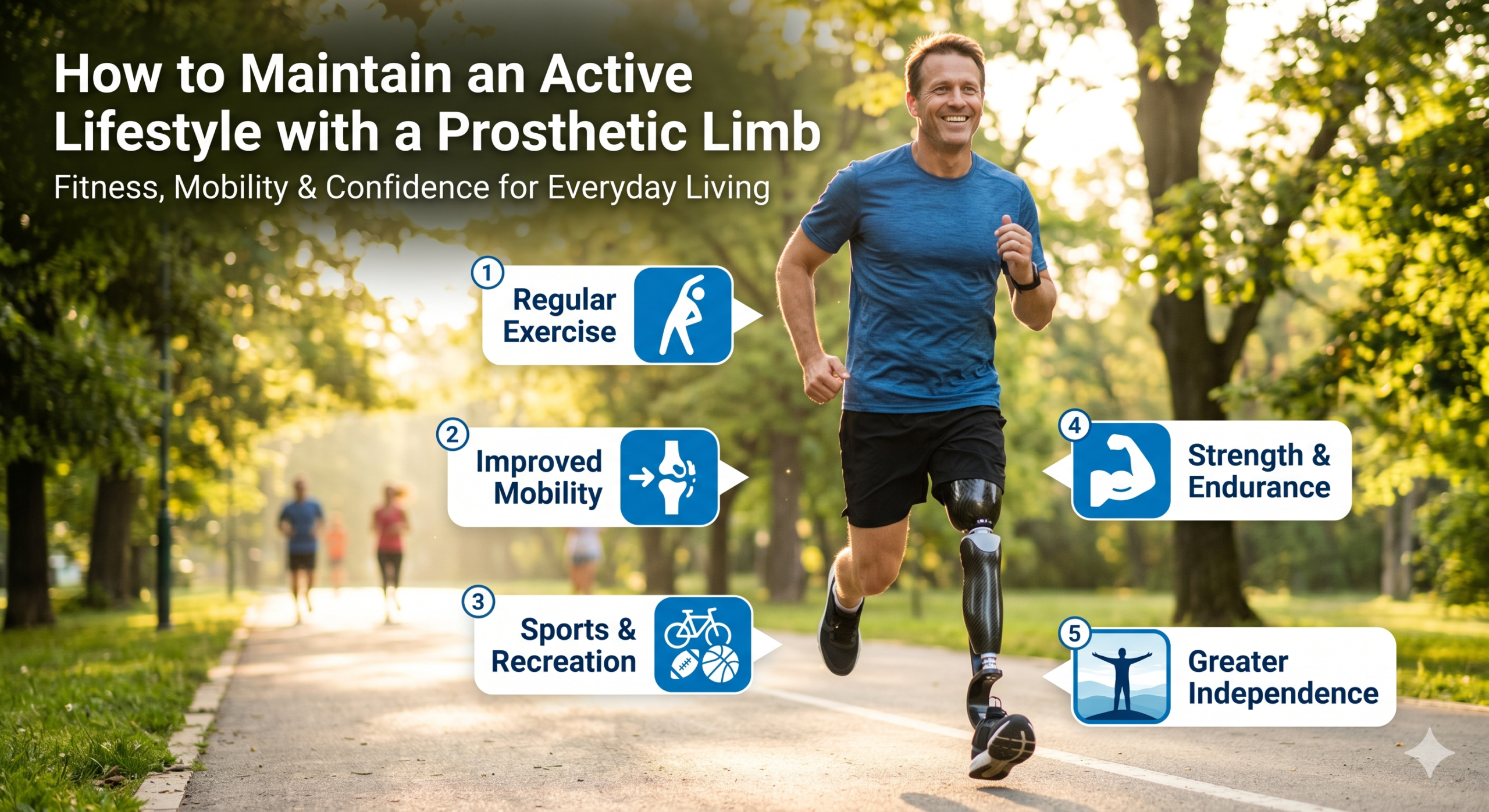
An active lifestyle plays an important role in maintaining physical health, mental well-being, and overall quality of life. For individuals living with limb loss, staying active may seem challenging at first, especially during the early stages of rehabilitation. However, advances in prosthetic technology and rehabilitation techniques have made it possible for prosthetic users to participate in a wide range of activities and achieve remarkable levels of mobility.
Whether your goal is walking comfortably, returning to work, exercising regularly, participating in sports, or simply keeping up with daily responsibilities, the right approach can help you remain active and independent. The journey may require patience, practice, and support, but thousands of prosthetic users around the world prove every day that limb loss does not have to limit an active and fulfilling life.
Understanding the Importance of Staying Active
Physical activity offers numerous benefits for prosthetic users. Regular movement helps maintain cardiovascular health, strengthen muscles, improve flexibility, and support overall physical function.
Beyond the physical benefits, staying active can also improve emotional well-being. Exercise and participation in enjoyable activities often help reduce stress, boost confidence, and create a sense of accomplishment. For many individuals, returning to favorite hobbies and activities is an important part of adapting to life with a prosthetic limb.
An active lifestyle also supports long-term prosthetic success by helping users maintain balance, endurance, and coordination.
Start with a Strong Rehabilitation Foundation
Maintaining an active lifestyle begins with proper rehabilitation.
Following limb loss, rehabilitation helps individuals develop the strength and skills needed to use their prosthetic safely and effectively. Physical therapists and prosthetists work together to create a personalized plan that addresses mobility goals and functional needs.
During rehabilitation, users learn important skills such as:
- Balance and stability
- Proper walking techniques
- Strength development
- Endurance building
- Functional movement training
The confidence gained during rehabilitation often becomes the foundation for future physical activities and recreational pursuits.
Choose the Right Prosthetic for Your Lifestyle
Not all prosthetic limbs are designed for the same activities. Selecting a prosthetic that aligns with your lifestyle is one of the most important factors in maintaining long-term activity levels.
Someone who enjoys casual walking may have different prosthetic requirements than a person who regularly participates in sports or physically demanding work.
Modern prosthetic options may include:
- Everyday mobility prosthetics
- High-performance prosthetic feet
- Running blades
- Sports-specific prosthetic attachments
- Activity-adapted upper limb prosthetics
Discussing your goals with an experienced prosthetist can help ensure your prosthetic device supports your desired activities.
Build Strength and Flexibility
Physical conditioning plays a major role in maintaining mobility and preventing injuries.
Following limb loss, certain muscle groups may need additional strengthening to compensate for changes in movement patterns. Strong muscles improve balance, posture, and overall prosthetic control.
A balanced fitness routine should focus on:
Strength Training
Strengthening the core, upper body, and lower body helps support daily movement and prosthetic use.
Flexibility Exercises
Stretching helps maintain joint mobility and reduce muscle tightness that can affect movement efficiency.
Balance Training
Balance exercises improve stability and help users navigate uneven surfaces with greater confidence.
Regular conditioning can significantly improve comfort and endurance during daily activities.
Incorporate Walking into Your Routine
Walking remains one of the most effective and accessible forms of exercise for many prosthetic users.
Regular walking helps:
- Improve cardiovascular fitness
- Strengthen muscles
- Enhance endurance
- Refine gait patterns
- Increase confidence
Starting with short distances and gradually increasing duration allows users to build stamina safely.
Walking in different environments, such as parks, sidewalks, and trails, can also improve adaptability and mobility skills.
Explore Recreational Activities
An active lifestyle extends beyond exercise. Recreational activities provide opportunities for enjoyment, social engagement, and personal growth.
Many prosthetic users successfully participate in activities such as:
- Hiking
- Cycling
- Swimming
- Golf
- Fishing
- Gardening
- Dancing
Modern prosthetic technology has made it easier than ever for individuals to continue pursuing hobbies they love.
Trying new activities can also help users discover interests they may not have considered before.
Participate in Sports with Confidence
Athletic participation is increasingly common among individuals with prosthetic limbs.
From recreational sports to elite-level competition, prosthetic users continue to break barriers and achieve impressive accomplishments.
Depending on the activity, specialized prosthetic components may be available to improve performance and safety.
Popular sports for prosthetic users include:
- Running
- Basketball
- Tennis
- Soccer
- Weightlifting
- Cycling
- Adaptive sports programs
Participation in sports not only improves fitness but also builds confidence, teamwork, and motivation.
Prioritize Prosthetic Care and Maintenance
An active lifestyle places additional demands on a prosthetic limb. Regular maintenance is essential to ensure safety, comfort, and performance.
Routine care should include:
- Cleaning the prosthetic device
- Inspecting components for wear
- Monitoring socket fit
- Checking alignment
- Scheduling follow-up appointments
Addressing minor issues early can prevent larger problems and help maintain consistent activity levels.
A well-maintained prosthetic performs more reliably and contributes to a more comfortable experience.
Listen to Your Body
While staying active is important, it is equally important to recognize when rest and recovery are needed.
Prosthetic users should pay attention to signs such as:
- Skin irritation
- Unusual discomfort
- Persistent fatigue
- Joint pain
- Changes in gait
Ignoring these signals can increase the risk of injury or reduce prosthetic effectiveness.
If concerns arise, consulting a prosthetist or healthcare professional can help identify solutions before problems worsen.
Stay Motivated Through Goal Setting
Setting realistic goals can make it easier to maintain an active lifestyle over time.
Goals may include:
- Walking a specific distance
- Returning to a favorite sport
- Participating in a community event
- Improving fitness levels
- Learning a new recreational activity
Breaking larger goals into smaller milestones helps create a sense of progress and achievement.
Celebrating accomplishments along the way can provide motivation and encourage continued participation.
Connect with Supportive Communities
One of the most valuable resources for many prosthetic users is connecting with others who share similar experiences.
Support groups, rehabilitation programs, and adaptive sports organizations provide opportunities to:
- Exchange advice
- Share experiences
- Learn new skills
- Build friendships
- Stay motivated
Seeing others successfully maintain active lifestyles can inspire confidence and reinforce the belief that meaningful goals are achievable.
The Role of Technology in Active Living
Advances in prosthetic technology continue to improve opportunities for active living.
Innovations such as carbon fiber components, microprocessor-controlled systems, lightweight materials, and sports-specific designs are helping users achieve higher levels of performance and comfort.
These developments allow many individuals to participate in activities that were once considered difficult or inaccessible.
As technology continues to evolve, prosthetic users can expect even greater opportunities for mobility and independence.
Embracing an Active and Independent Future
Living with a prosthetic limb does not mean putting life on hold. With the right combination of rehabilitation, physical conditioning, prosthetic care, and personal determination, individuals can maintain active, healthy, and fulfilling lifestyles.
Whether your goal is exercising regularly, participating in sports, traveling, or simply enjoying everyday activities with confidence, success is possible with the right support and mindset. Every step taken toward staying active contributes to improved health, greater independence, and a better quality of life.
Stay Active with Expert Prosthetic Support from PROACTIVE Technical Orthopaedics
At PROACTIVE Technical Orthopaedics, we believe that every individual deserves the opportunity to live life without limits. As the best prosthetics manufacturer in India, we provide advanced prosthetic solutions designed to support mobility, comfort, and active lifestyles.
From customized fittings and cutting-edge prosthetic technology to rehabilitation guidance and ongoing support, our team is committed to helping you achieve your personal mobility goals. Contact PROACTIVE Technical Orthopaedics today and discover how the right prosthetic solution can empower you to stay active, independent, and confident every day.