

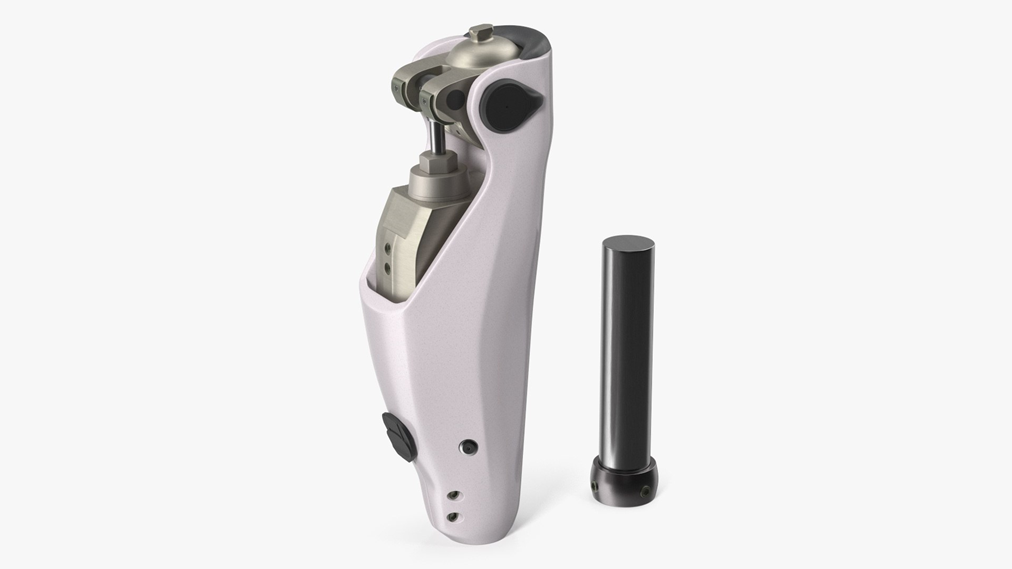
Advancements in prosthetic technology have significantly improved mobility and independence for individuals with above-knee amputations. One of the most important innovations in recent years is the microprocessor-controlled prosthetic knee. Designed to provide enhanced stability, safety, and natural walking patterns, microprocessor knees have transformed rehabilitation outcomes for many prosthetic users.
This blog explains microprocessor knees, their features, benefits, and their role in modern prosthetic rehabilitation. Understanding this technology helps patients and caregivers make informed decisions when selecting the right prosthetic solution.
What is a Microprocessor Knee?
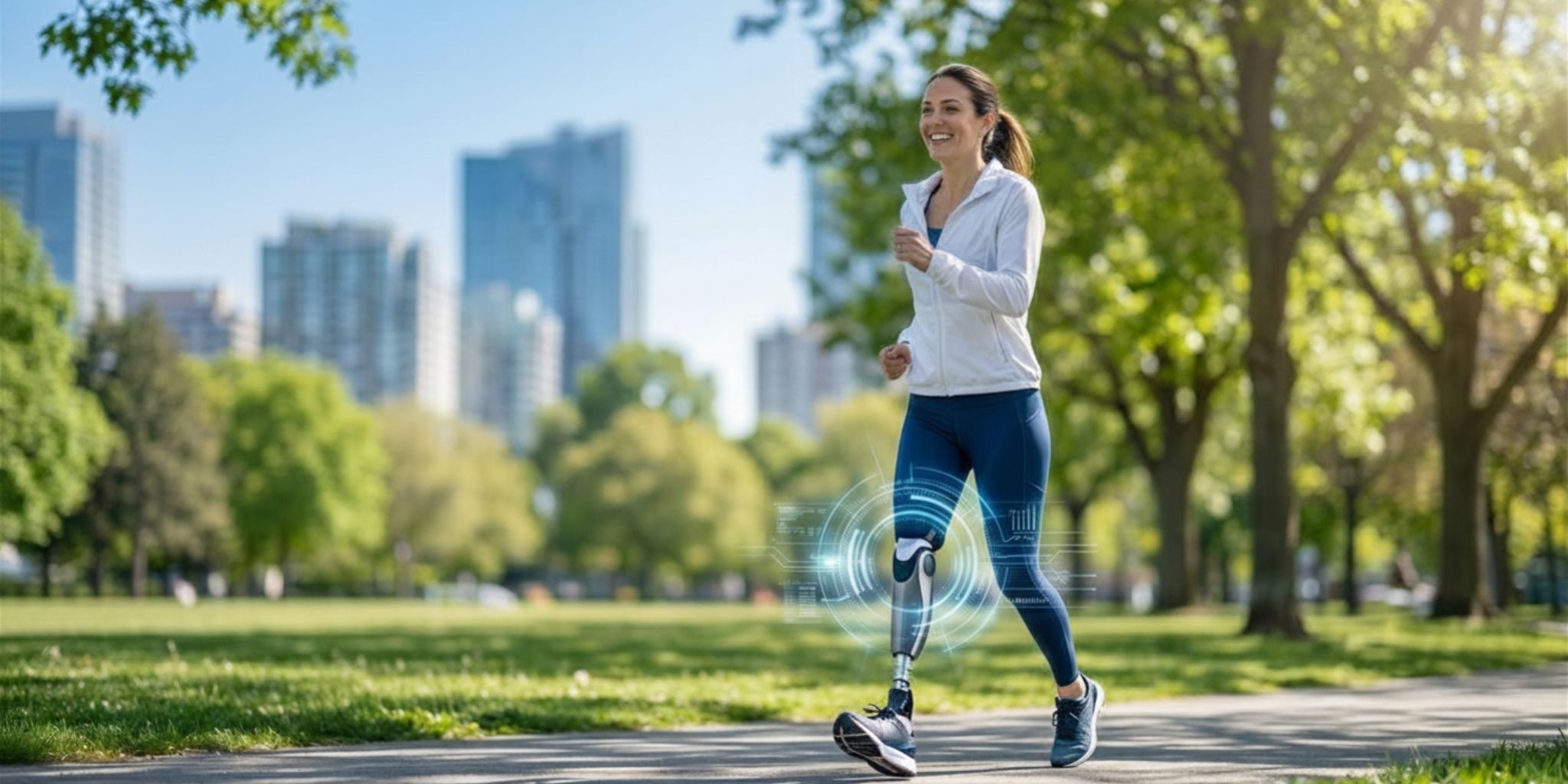
A microprocessor knee is an advanced prosthetic knee joint that uses sensors, processors, and software to continuously monitor movement. The system automatically adjusts resistance and support during walking, standing, sitting, and navigating different terrains.
Unlike mechanical knees, microprocessor knees analyze real-time data such as:
- Walking speed
- Knee angle
- Weight distribution
- Step pattern
- Terrain changes
- Stance and swing phase
Based on this information, the knee automatically adjusts to provide smoother and safer movement.
How Microprocessor Knees Work?
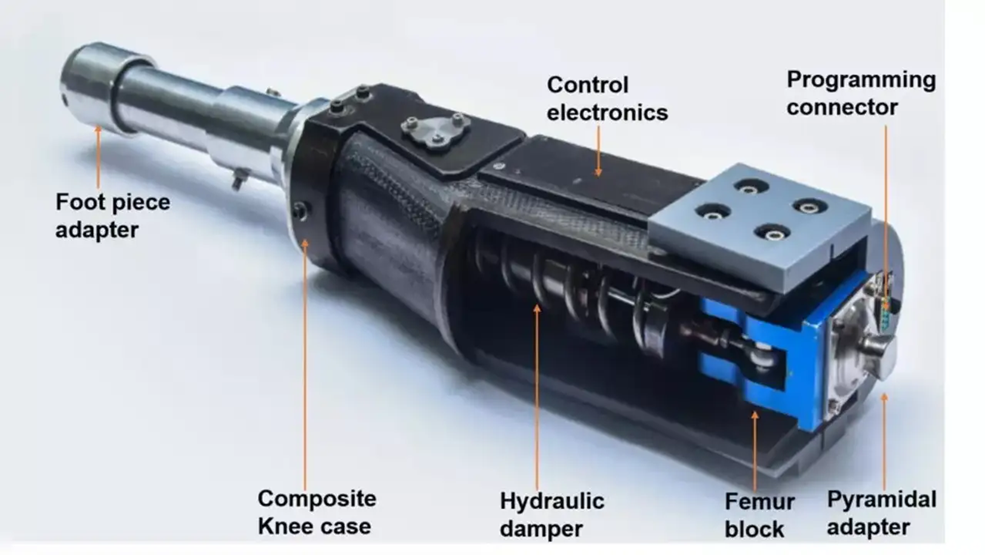
Microprocessor knees use built-in sensors that detect movement many times per second. The microprocessor processes this data and controls hydraulic or pneumatic resistance accordingly. This allows the knee to adapt instantly to the user’s walking pattern.
For example:
- When walking on level ground, the knee provides smooth motion
- When going downhill, it increases resistance for safety
- When standing, it improves stability
- When sitting, it allows controlled bending
- When walking slowly, it adjusts for balance
This intelligent control makes walking more natural and reduces risk of falls.
Key Features of Microprocessor Knees
Microprocessor-controlled prosthetic knees include several advanced features that improve mobility and comfort.
1. Stance Phase Stability
Microprocessor knees provide strong support during the stance phase. This helps prevent knee buckling and improves safety during weight-bearing.
2. Swing Phase Control
The system controls knee movement during the swing phase to create smoother walking. This reduces effort and improves gait symmetry.
3. Real-Time Adjustment
The microprocessor continuously adjusts resistance based on walking speed and terrain. This allows natural movement in different environments.
4. Fall Detection and Prevention
Some microprocessor knees detect sudden movement changes and activate support to prevent falls. This is especially helpful for elderly patients.
5. Variable Walking Speed
Users can walk slow, medium, or fast, and the knee automatically adapts to the pace.
6. Stair and Ramp Navigation
Microprocessor knees improve control while walking on slopes and ramps. Some advanced models also support step-over-step stair walking.
7. Sitting and Standing Support
The knee allows controlled sitting and provides support during standing, improving independence.
8. Battery-Powered System
Microprocessor knees operate using rechargeable batteries. Battery life usually lasts one to several days depending on usage.
Benefits of Microprocessor Knee Prosthesis
Microprocessor knees provide several advantages compared to traditional mechanical prosthetic knees.
Improved Safety
One of the biggest benefits is improved stability. The knee reduces the risk of sudden buckling and improves confidence while walking.
Reduced Risk of Falls
Automatic stance control helps prevent falls, especially on uneven surfaces.
More Natural Walking Pattern
Microprocessor knees create smoother and more symmetrical gait patterns.
Less Energy Consumption
Users require less effort while walking, reducing fatigue during daily activities.
Better Performance on Uneven Terrain
The knee automatically adjusts when walking on grass, slopes, or rough surfaces.
Improved Confidence
Patients feel more confident walking in public environments and performing daily activities.
Easier Sit-to-Stand Movement
Controlled knee flexion makes sitting and standing safer and easier.
Adaptive Walking Speed
Users can change walking speed without manually adjusting the knee.
Who Can Benefit from a Microprocessor Knee?
Microprocessor knees are commonly recommended for:
- Above knee amputees
- Knee disarticulation amputees
- Active prosthetic users
- Elderly patients needing stability
- Individuals with fall risk
- Patients walking in community environments
- Users needing improved safety
However, suitability depends on patient activity level, strength, balance, and rehabilitation goals.
Microprocessor Knee vs Mechanical Knee
Understanding the difference between microprocessor knees and mechanical knees helps in selecting the right prosthesis.
Microprocessor Knee:
- Computer-controlled movement
- Automatic adjustment
- Improved safety
- Smooth walking pattern
- Adaptive to terrain
- Reduced fall risk
Mechanical Knee:
- Fixed resistance
- Manual adjustment
- Less adaptive
- Higher fall risk
- Limited terrain adaptability
- Less natural gait
Microprocessor knees provide more advanced control compared to mechanical systems.
Role in Prosthetic Rehabilitation
Microprocessor knees play an important role in rehabilitation after above-knee amputation. These devices improve mobility and help patients regain independence faster.
Rehabilitation benefits include:
- Faster gait training
- Improved balance
- Reduced fear of falling
- Better weight distribution
- Improved posture
- Increased walking distance
- Reduced fatigue
Physiotherapy combined with microprocessor knee training improves functional outcomes.
Training with Microprocessor Knee
Patients require training to maximize benefits of microprocessor knees. Rehabilitation focuses on:
- Weight shifting exercises
- Balance training
- Controlled walking practice
- Stair climbing techniques
- Ramp walking training
- Sit-to-stand practice
- Community walking
Proper training helps patients use the technology effectively.
Considerations Before Choosing Microprocessor Knee
Before selecting a microprocessor knee, several factors should be considered:
- Patient activity level
- Strength and balance
- Rehabilitation goals
- Weight limit
- Daily lifestyle
- Environmental needs
- Budget considerations
A prosthetist evaluates these factors before recommending the appropriate knee system.
Maintenance and Care
Microprocessor knees require proper care for optimal performance:
- Regular charging of battery
- Routine maintenance check
- Avoid water exposure (if not waterproof)
- Regular prosthetic alignment check
- Follow-up with prosthetist
- Software adjustments when needed
Proper care ensures long-term performance and safety.
Future of Microprocessor Knee Technology
Microprocessor knee technology continues to advance with new features such as:
- AI-based gait adaptation
- Smartphone connectivity
- Activity tracking
- Automatic terrain recognition
- Improved battery life
- Lightweight design
- Enhanced fall recovery systems
These advancements will further improve mobility and independence.
Conclusion
Microprocessor knees represent a major advancement in prosthetic technology for above-knee amputees. With intelligent sensors, real-time adjustments, and enhanced stability, these prosthetic knees provide safer and more natural walking experiences.
The benefits include improved safety, reduced fall risk, better gait pattern, and increased independence. Microprocessor knees also support rehabilitation by improving confidence and mobility outcomes.
With proper evaluation, training, and follow-up, microprocessor knee prostheses can significantly improve quality of life. As technology continues to evolve, these advanced prosthetic solutions from a prosthetics manufacturer in India will play an even greater role in modern prosthetic rehabilitation.