

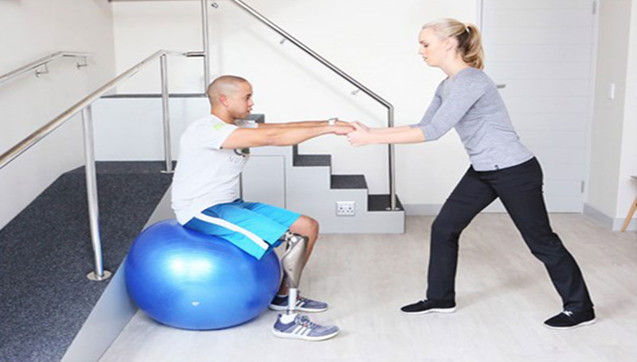
As a prosthetist, I often tell my patients that receiving a prosthetic limb is not the end of the journey — it is the beginning of a new one. While advanced prosthetic technology plays a vital role in restoring mobility, physical therapy is the bridge that turns a prosthetic device into true functional independence.
The connection between physical therapy and prosthetic success is powerful, evidence-based, and transformative. In this blog, I want to explain why rehabilitation, gait training, muscle strengthening, and patient education are just as important as the prosthetic limb itself.
Understanding Prosthetic Success
Before we explore the role of physical therapy, we must define prosthetic success.
Prosthetic success is not simply about wearing an artificial limb. It means:
- Comfortable prosthetic fit
- Proper weight distribution
- Balanced gait and posture
- Strong muscle control
- Prevention of secondary complications
- Confidence in daily activities
- Long-term mobility and independence
A prosthesis is a highly engineered medical device, but it cannot function optimally without proper physical conditioning and training. That’s where physical therapy for amputees becomes essential.
The Role of Physical Therapy in Prosthetic Rehabilitation
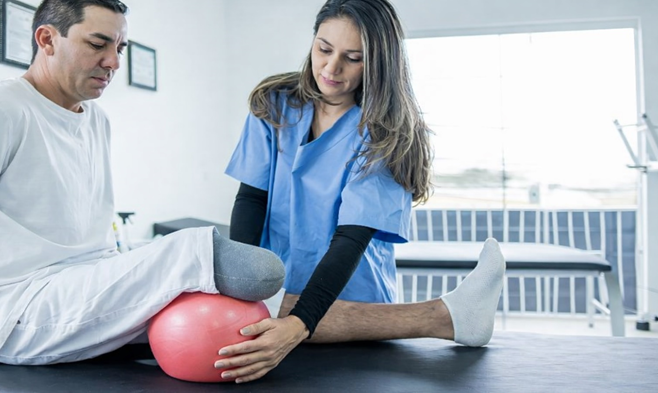
Physical therapy is a structured rehabilitation process designed to help amputees adapt to life with a prosthetic limb. From my clinical experience as a prosthetist, patients who actively participate in physical therapy achieve better mobility outcomes, fewer complications, and higher satisfaction rates.
1. Pre-Prosthetic Physical Therapy
Rehabilitation often begins even before prosthetic fitting.
Pre-prosthetic therapy focuses on:
- Residual limb strengthening
- Reducing swelling (edema management)
- Improving range of motion
- Preventing joint contractures
- Core stability training
Proper preparation of the residual limb ensures better prosthetic socket fitting, which directly impacts comfort and long-term use.
Without this phase, patients may struggle with pain, instability, and delayed prosthetic adaptation.
2. Gait Training for Prosthetic Users
One of the most critical components of physical therapy is prosthetic gait training.
Walking with a prosthetic limb is not automatic. The body must relearn:
- Balance control
- Weight shifting
- Step symmetry
- Coordination
- Postural alignment
Physical therapists guide patients through parallel bar training, progressive weight-bearing exercises, and real-world mobility scenarios.
From a prosthetist’s perspective, gait training allows me to fine-tune the alignment and dynamic adjustments of the prosthesis. When therapists and prosthetists collaborate, patients achieve smoother, more natural movement patterns.
3. Muscle Strengthening and Balance Training
After limb loss, the body compensates in ways that can lead to muscle imbalances. Weak hip muscles, poor core stability, and uneven weight distribution are common challenges.
Physical therapy helps:
- Strengthen hip abductors and extensors
- Improve core muscle stability
- Enhance proprioception
- Reduce risk of falls
- Prevent lower back pain
Stronger muscles mean better prosthetic control. This improves energy efficiency and reduces fatigue during walking or daily activities.
4. Preventing Secondary Complications
One of the lesser-discussed benefits of physical therapy in prosthetic rehabilitation is complication prevention.
Without proper rehabilitation, patients may develop:
- Skin breakdown and pressure sores
- Joint stiffness
- Back pain
- Overuse injuries in the sound limb
- Poor posture
Therapists educate patients on:
- Proper prosthetic wear schedule
- Skin inspection techniques
- Safe transfers
- Fall prevention strategies
As a prosthetist, I see first-hand how proactive therapy reduces the need for frequent socket modifications and medical interventions.
The Psychological Impact of Physical Therapy
Prosthetic success is not only physical — it is emotional and psychological.
Amputation can lead to anxiety, reduced confidence, and fear of falling. Physical therapy provides a structured, supportive environment where patients regain trust in their bodies.
Through consistent training:
- Confidence improves
- Fear decreases
- Independence increases
- Social participation grows
Patients who feel capable are more likely to wear their prosthesis consistently, which further enhances functional outcomes.
Collaboration Between Prosthetist and Physical Therapist
One of the most important factors in successful prosthetic rehabilitation is interdisciplinary collaboration.
As a prosthetist, I work closely with physical therapists to:
- Adjust prosthetic alignment based on gait analysis
- Modify socket fit based on movement patterns
- Optimize component selection
- Track functional progress
This team approach ensures that the prosthetic device adapts to the patient — not the other way around.
When prosthetists and physical therapists communicate regularly, patient outcomes improve significantly.
Advanced Prosthetics and Rehabilitation Technology
Modern prosthetic technology — including microprocessor knees, energy-storing feet, and myoelectric arms — offers incredible potential. However, advanced components require advanced training.
Physical therapy helps patients:
- Learn controlled knee flexion with microprocessor knees
- Practice dynamic balance
- Master terrain navigation (stairs, ramps, uneven surfaces)
- Improve upper limb control for myoelectric prosthetics
Technology alone does not guarantee success. Skill development through rehabilitation is what unlocks its full potential.
Long-Term Prosthetic Care and Ongoing Therapy
Prosthetic rehabilitation does not end after initial gait training. The human body changes over time due to weight fluctuation, muscle growth, aging, and activity levels.
Ongoing physical therapy can help:
- Improve endurance
- Adapt to lifestyle changes
- Train for sports or high-activity goals
- Manage chronic pain
As a prosthetist, I encourage periodic reassessment to ensure both the prosthetic device and physical function remain optimized.
Why Skipping Physical Therapy Can Limit Prosthetic Success
Unfortunately, some patients believe that once they receive their prosthetic limb, they can immediately resume normal activities without structured rehabilitation.
This often leads to:
- Poor walking patterns
- Increased fall risk
- Frustration
- Reduced prosthetic wear time
- Long-term musculoskeletal problems
Prosthetic fitting and physical therapy are not separate services — they are interconnected components of comprehensive amputee rehabilitation.
Key Benefits of Physical Therapy in Prosthetic Rehabilitation
To summarize, physical therapy improves:
- Prosthetic comfort and fit
- Gait symmetry
- Muscle strength and endurance
- Balance and coordination
- Confidence and independence
- Long-term mobility outcomes
Patients who engage in structured rehabilitation programs are significantly more likely to achieve full functional independence.
Final Thoughts from a Prosthetist
As a prosthetist, my role is to design, fit, and optimize prosthetic limbs that restore mobility and quality of life. But true prosthetic success happens when technology meets therapy.
Physical therapy transforms a prosthetic device from a mechanical tool into a natural extension of the body.
If you or a loved one is beginning the journey of limb loss rehabilitation, remember this: Your prosthesis is only as effective as the training behind it.
Invest in physical therapy. Commit to rehabilitation. Work with a collaborative care team.
Mobility is not just about movement — it’s about regaining independence, confidence, and the freedom to live fully.