

Understanding Osteoarthritis
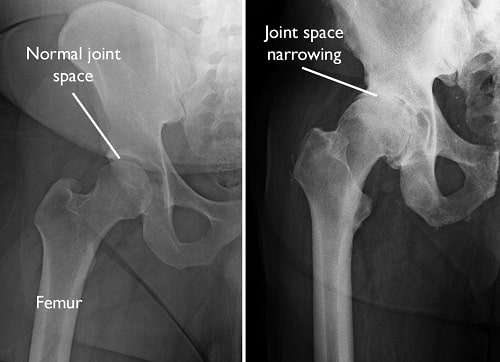
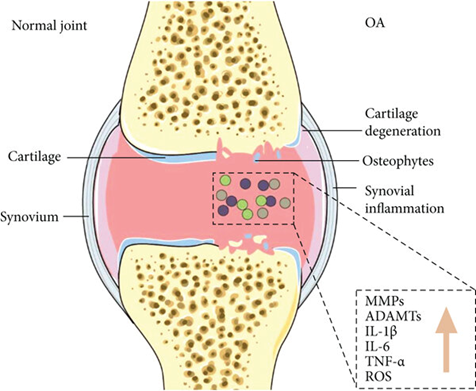
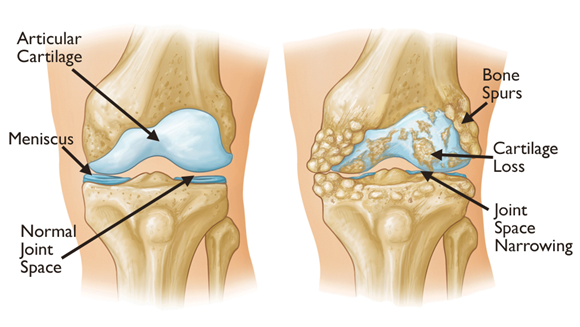
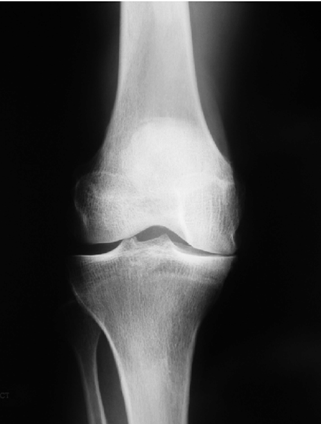
Osteoarthritis (OA) is the most common form of arthritis and a leading cause of joint pain and disability worldwide. It is a degenerative joint disease in which the protective cartilage cushioning the ends of bones gradually wears away. As cartilage deteriorates, bones begin to rub against each other, causing pain, stiffness, swelling, and reduced mobility.
Osteoarthritis commonly affects weight-bearing joints such as the knee, hip, and spine, but it can also involve the hands and other joints. In India, the prevalence of knee osteoarthritis is particularly high due to aging populations, lifestyle factors, obesity, and post-traumatic joint conditions.
When people search online for terms like:
- knee osteoarthritis treatment
- best brace for osteoarthritis
- non-surgical treatment for knee arthritis
- orthotic management of osteoarthritis
they are often looking for effective, non-invasive solutions. This is where a certified orthotist plays a crucial role.
What Is an Osteoarthritis Specialist?
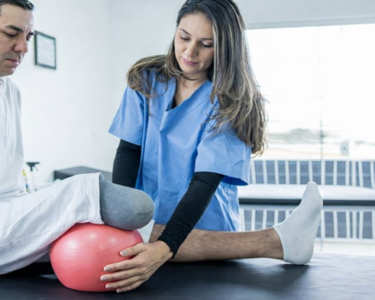
An osteoarthritis specialist may include an orthopaedic surgeon, rheumatologist, physiotherapist, or certified orthotist. While medical doctors diagnose and prescribe medications or surgery, a certified orthotist specializes in designing and fitting custom orthotic devices to reduce pain, improve joint alignment, and restore functional mobility.
A certified orthotist is a trained healthcare professional who evaluates biomechanical alignment, gait pattern, joint stability, and functional limitations. Based on clinical assessment, they design custom braces and orthotic supports that reduce stress on affected joints.
In osteoarthritis management, the orthotist focuses on:
- Pain reduction through offloading techniques
- Joint stabilization
- Improved alignment
- Prevention of deformity progression
- Functional mobility enhancement
- Delay or prevention of joint replacement surgery
Orthotic management is particularly valuable for patients who want non-surgical osteoarthritis treatment options.
Role of a Certified Orthotist in Osteoarthritis Management
Orthotic management of osteoarthritis is based on biomechanical principles. When joint alignment is corrected and load distribution is optimized, pain decreases and function improves.
Below are the major orthotic interventions used in osteoarthritis care.
1. Knee Osteoarthritis and Orthotic Management
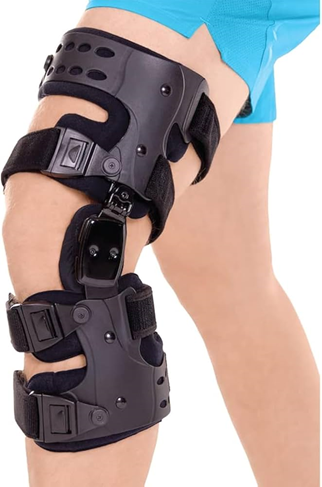
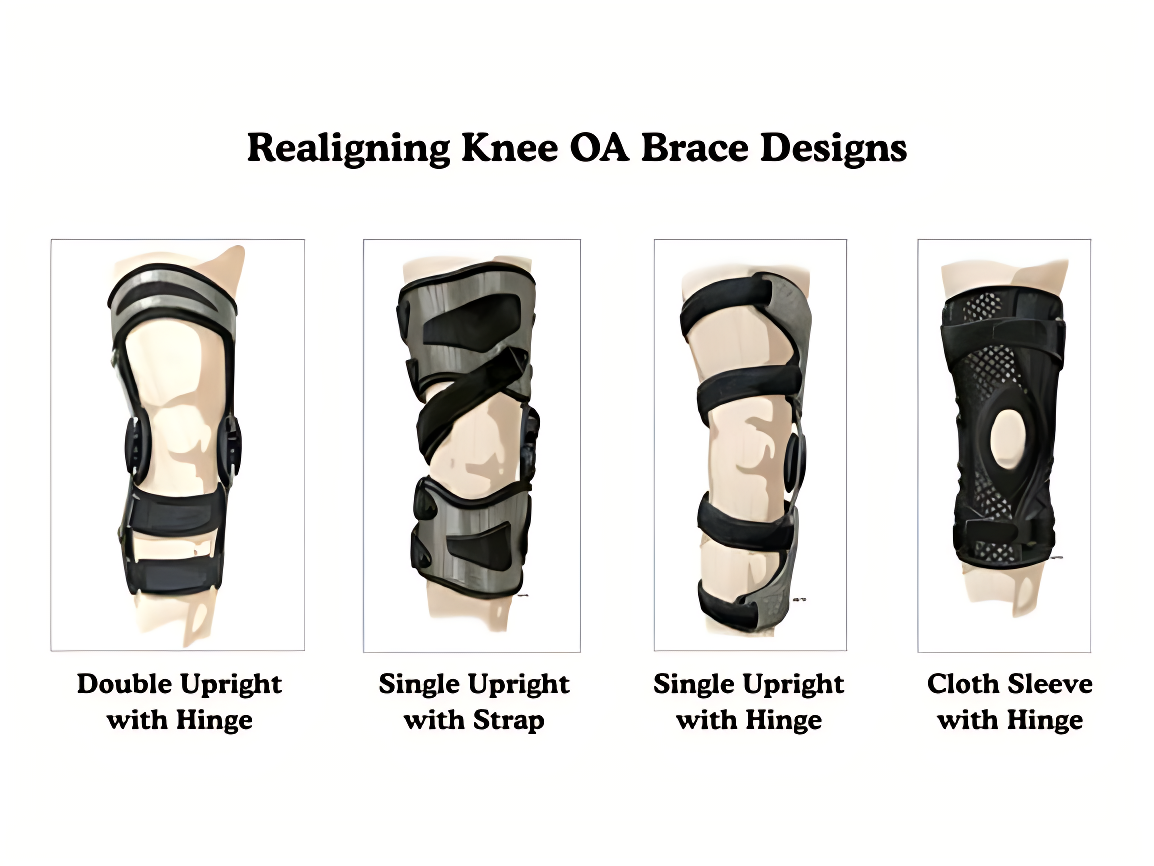
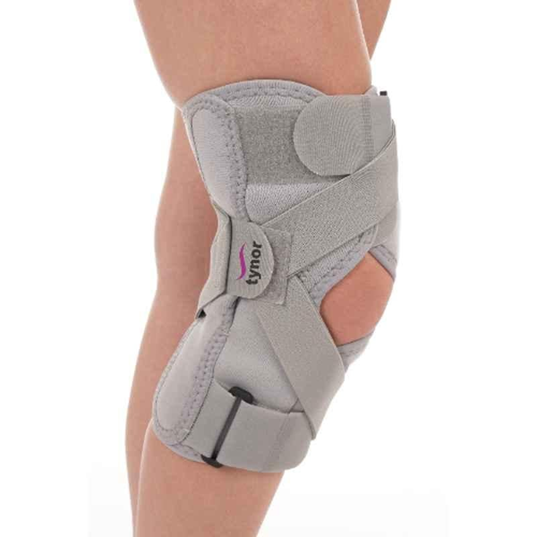
Unloader Knee Braces
One of the most effective non-surgical treatments for medial compartment knee osteoarthritis is the unloader knee brace.
How It Works:
- Applies a corrective force to shift load away from the damaged compartment.
- Reduces bone-on-bone contact.
- Improves walking tolerance.
- Decreases pain during weight-bearing activities.
Certified orthotists customize the brace according to limb alignment, thigh and calf measurements, and severity of deformity (varus or valgus knee).
2. Foot Orthotics for Osteoarthritis
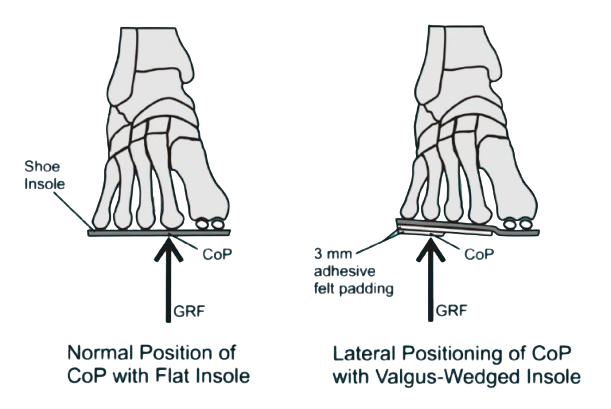
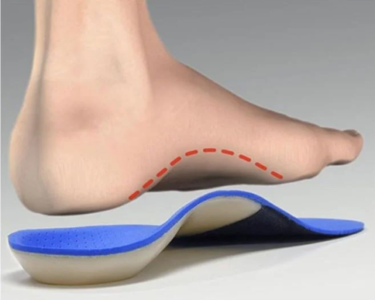
Foot biomechanics directly influence knee, hip, and spinal loading. A certified orthotist often prescribes custom foot orthotics to manage osteoarthritis.
Benefits:
- Corrects abnormal foot pronation or supination.
- Improves gait mechanics.
- Reduces stress transmission to knees and hips.
- Provides shock absorption.
Custom insoles are particularly beneficial in early-stage osteoarthritis and in patients with flat feet contributing to knee OA.
3. Hip Osteoarthritis Bracing
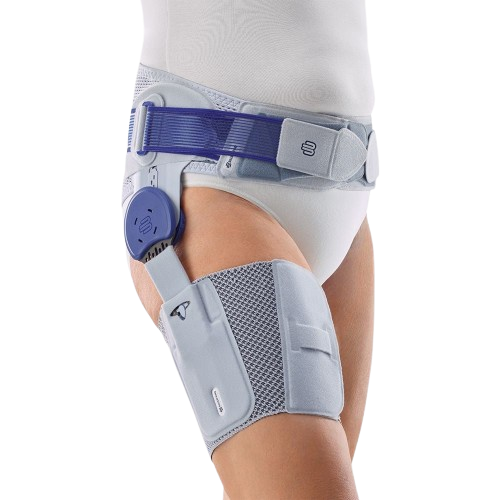
Although less common than knee bracing, hip orthoses can provide stability and pain relief in selected cases.
Orthotic Goals:
- Reduce joint compression forces.
- Improve pelvic alignment.
- Support weakened musculature.
- Enhance walking balance.
Certified orthotists assess leg length discrepancy, pelvic tilt, and gait asymmetry before designing a hip support device.
4. Spinal Orthoses for Osteoarthritis
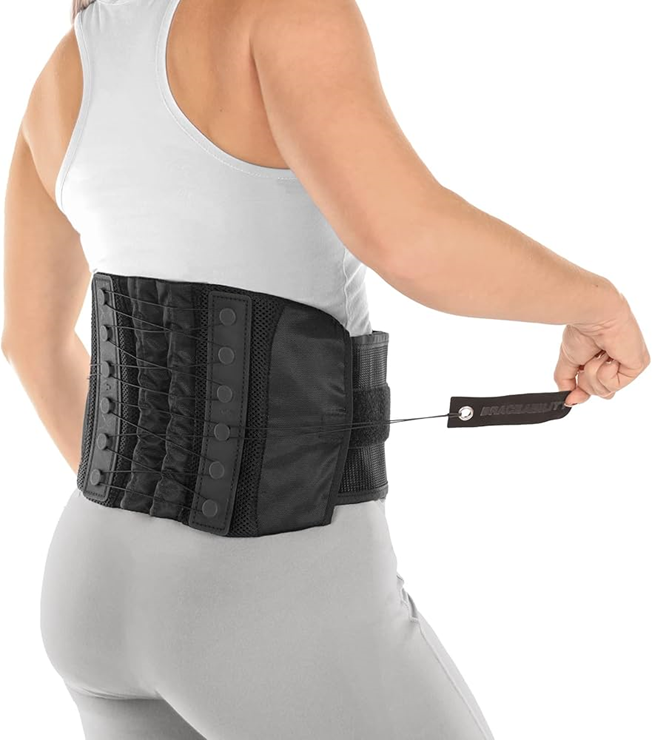
Spinal osteoarthritis (spondylosis) affects the cervical and lumbar regions.
Common Orthotic Devices:
- Lumbar corset brace
- Lumbosacral orthosis (LSO)
- Cervical collar (in specific cases)
Benefits:
- Limits painful motion.
- Provides postural support.
- Reduces muscle fatigue.
- Improves functional capacity.
SEO phrases include:
- Back brace for arthritis
- Lumbar support for osteoarthritis
- Degenerative spine brace
5. Ankle-Foot Orthosis (AFO) in Osteoarthritis
In cases where osteoarthritis affects joint stability, particularly in post-traumatic conditions, an Ankle-Foot Orthosis (AFO) may be prescribed.
Functions:
- Enhances joint alignment.
- Improves balance.
- Reduces compensatory stress on knee and hip joints.
- Prevents abnormal gait patterns.
Clinical Assessment by a Certified Orthotist
Orthotic management is never “one-size-fits-all.” A certified orthotist performs:
- Detailed patient history
- Physical examination
- Gait analysis
- Range of motion assessment
- Muscle strength testing
- Limb alignment evaluation
This clinical approach ensures that the orthotic device is customized and biomechanically appropriate.
Advantages of Orthotic Management in Osteoarthritis
Orthotic treatment offers several advantages:
- Non-invasive and safe
- Cost-effective compared to surgery
- Immediate pain relief in many cases
- Improved mobility and independence
- Delays joint replacement surgery
- Enhances quality of life
For many patients searching online for how to avoid knee replacement surgery, orthotic bracing provides a practical solution.
When Should You Consult a Certified Orthotist?
You should consider orthotic consultation if you experience:
- Persistent knee or hip pain
- Joint instability while walking
- Bow-legged (varus) or knock-knee (valgus) deformity
- Difficulty climbing stairs
- Pain during prolonged standing
- Post-traumatic joint degeneration
Early intervention improves long-term outcomes.
Conclusion
Osteoarthritis is a progressive degenerative joint disease that significantly impacts mobility and quality of life. While medications and surgery remain important treatment options, orthotic management by a certified orthotist offers a powerful non-surgical solution.
Through custom knee braces, foot orthotics, hip supports, spinal braces, and ankle-foot orthoses, orthotists reduce pain, improve alignment, enhance mobility, and delay surgical intervention.