
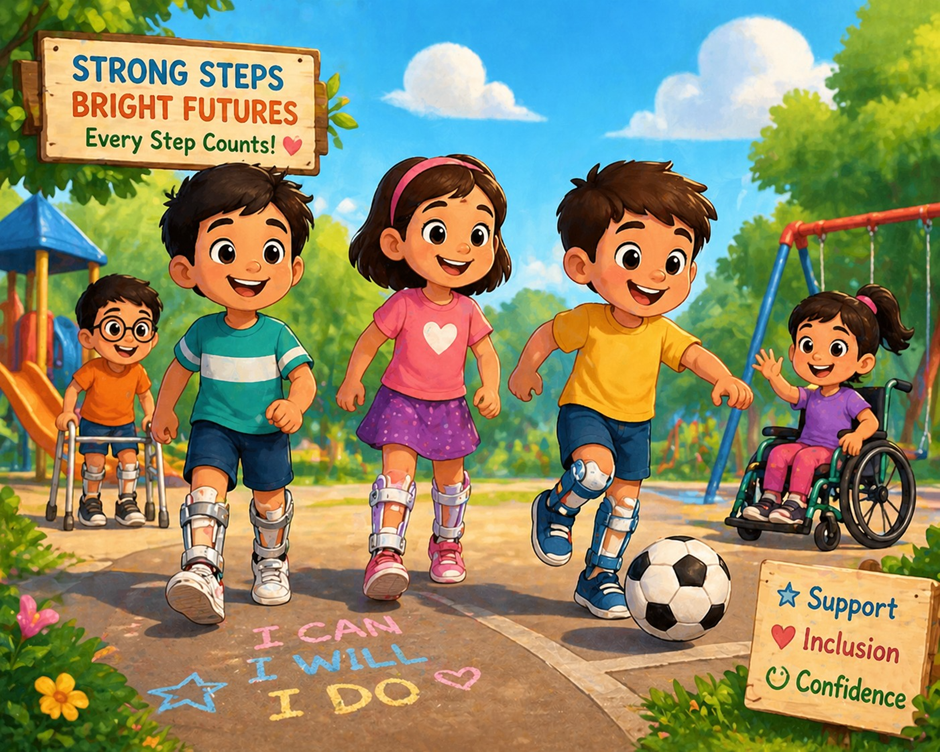

Pediatric orthotic rehabilitation plays a crucial role in improving mobility, independence, and quality of life for children with musculoskeletal or neurological conditions. Unlike adults, children are constantly growing and developing, which makes orthotic care more dynamic and specialized. A well-planned pediatric orthotic rehabilitation program not only supports physical alignment but also enhances functional ability, participation in daily activities, and overall confidence.
In this comprehensive guide, we’ll explore everything you need to know about pediatric orthotics, including benefits, types of devices, common conditions, rehabilitation strategies, and best practices for long-term success.
What is Pediatric Orthotic Rehabilitation?
Pediatric orthotic rehabilitation refers to the assessment, design, fitting, and follow-up care of orthotic devices for children. These devices are externally applied supports designed to improve alignment, correct deformities, enhance function, and prevent further complications.
Orthotic rehabilitation is not just about providing a device—it involves a multidisciplinary approach including prosthetists/orthotists, physiotherapists, pediatricians, and caregivers. The ultimate goal is to help children achieve optimal physical development and functional independence.
Importance of Early Intervention in Pediatric Orthotics
Early diagnosis and intervention are key factors in successful pediatric orthotic rehabilitation. Children’s bones and muscles are more adaptable, making it easier to correct alignment and prevent long-term deformities.
Key Benefits of Early Orthotic Intervention:
- Promotes proper musculoskeletal development
- Prevents worsening of deformities
- Enhances mobility and gait patterns
- Improves balance and coordination
- Supports participation in school and play activities
Early use of pediatric orthotic devices can significantly reduce the need for surgical intervention later in life.
Common Conditions Requiring Pediatric Orthotic Rehabilitation
Pediatric orthotics are used to manage a wide range of conditions. Some of the most common include:
1. Cerebral Palsy
Children with cerebral palsy often experience muscle stiffness, spasticity, and poor coordination. Orthotic devices such as ankle-foot orthoses (AFOs) help improve gait, reduce spasticity, and enhance stability.
2. Clubfoot (Congenital Talipes Equinovarus)
Orthotic bracing plays a vital role in maintaining correction after initial treatment. Consistent use prevents recurrence and supports proper foot alignment.
3. Developmental Dysplasia of the Hip (DDH)
Orthotic devices like hip abduction braces help maintain proper positioning of the hip joint in infants.
4. Flat Feet (Pes Planus)
Flexible or rigid flat feet in children may require orthotic insoles to improve arch support and reduce discomfort.
5. Muscular Dystrophy
Orthoses help maintain mobility and delay the progression of contractures in children with muscular dystrophy.
6. Spina Bifida
Children with spina bifida often need customized orthotic solutions to support walking and posture.
7. Gait Abnormalities
Toe walking, in-toeing, or out-toeing can be corrected or managed with appropriate pediatric orthotic devices.
Types of Pediatric Orthotic Devices
Selecting the right orthotic device is essential for effective rehabilitation. Each device is customized based on the child’s condition, age, and functional goals.
1. Ankle-Foot Orthosis (AFO)
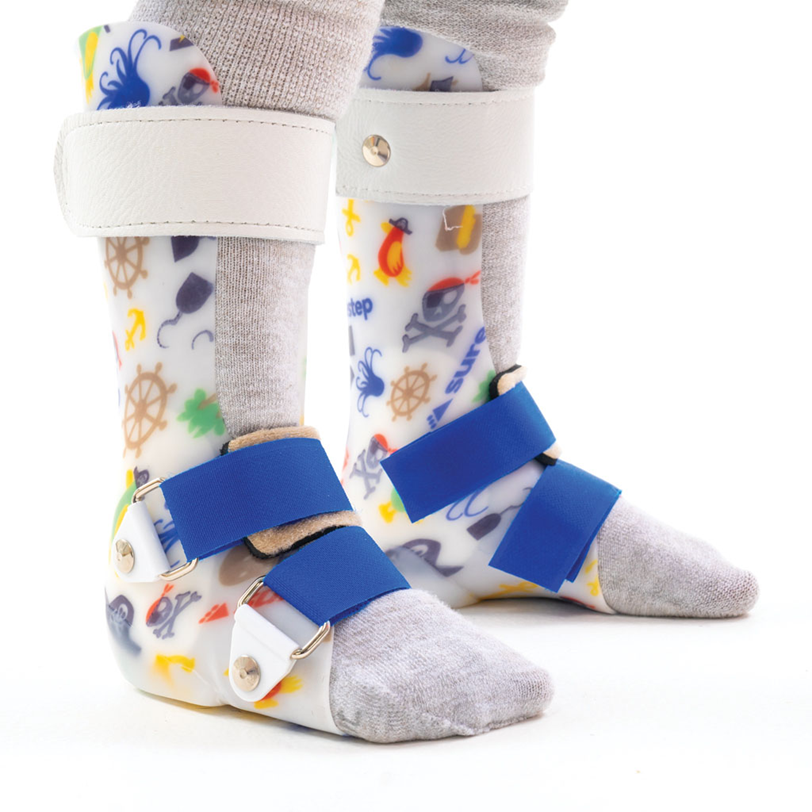
One of the most commonly used orthotic devices, AFOs support the ankle and foot, improve gait, and provide stability.
2. Knee-Ankle-Foot Orthosis (KAFO)
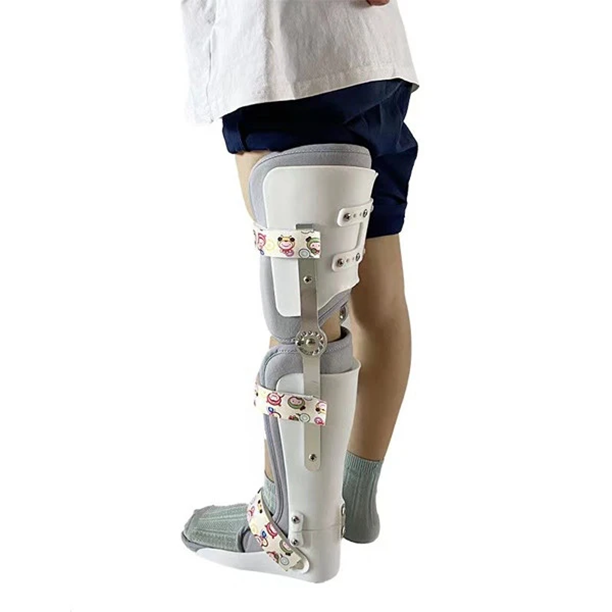
Used in more severe cases, KAFOs provide support to the knee, ankle, and foot, helping children stand and walk with assistance.
3. Supramalleolar Orthosis (SMO)
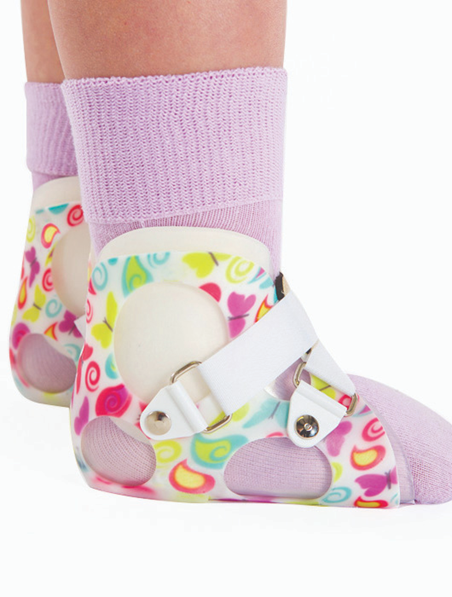
SMOs provide medial-lateral ankle stability and are often used in children with mild instability or low muscle tone.
4. Foot Orthoses (Insoles)
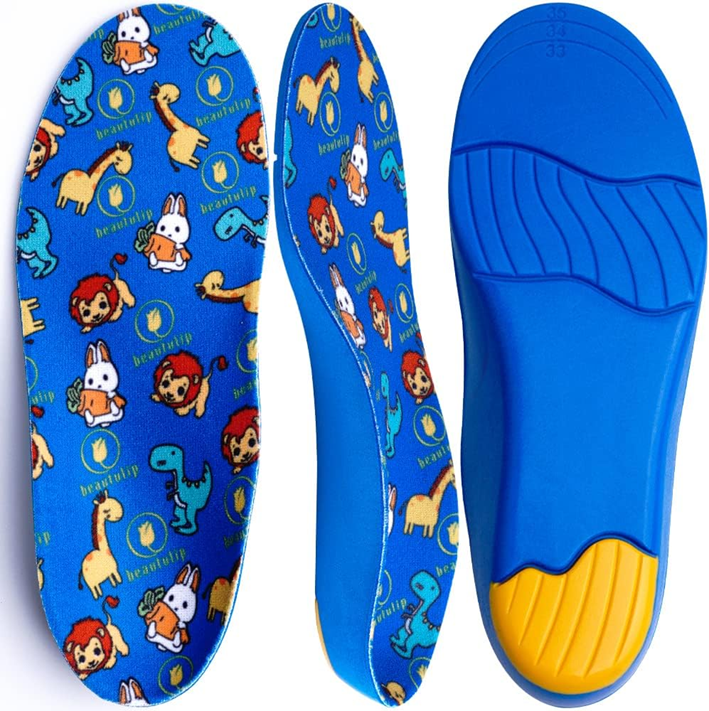
Custom orthotic insoles help correct foot alignment, provide arch support, and reduce pain during walking.
5. Hip Abduction Braces
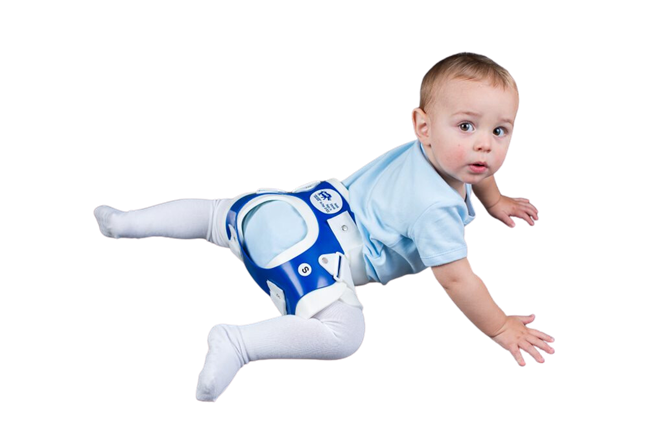
Commonly used in infants with hip dysplasia to maintain proper joint alignment.
6. Spinal Orthoses
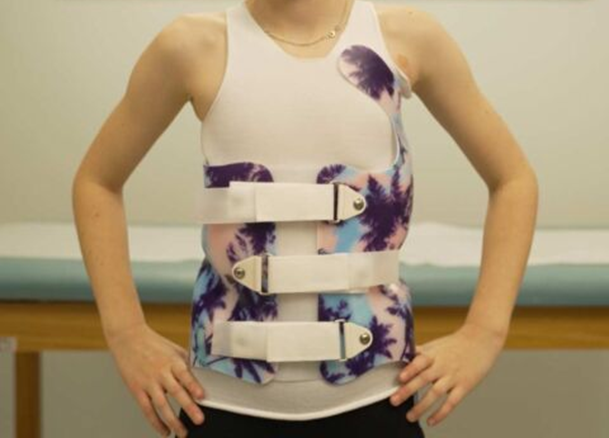
Back braces are used for conditions like scoliosis to prevent curve progression and maintain posture.
Key Components of Pediatric Orthotic Rehabilitation
Successful pediatric orthotic rehabilitation involves more than just fitting a device. It includes continuous evaluation, therapy, and caregiver involvement.
1. Comprehensive Assessment
A detailed assessment includes:
- Physical examination
- Gait analysis
- Range of motion evaluation
- Muscle strength testing
This helps in designing a customized orthotic solution.
2. Custom Fabrication
Each orthotic device is tailored to the child’s anatomy and condition. Proper fit ensures comfort, effectiveness, and compliance.
3. Physical Therapy Integration
Combining orthotic use with physical therapy enhances outcomes. Exercises focus on:
- Strengthening muscles
- Improving flexibility
- Enhancing balance and coordination
4. Training and Adaptation
Children and caregivers are trained on:
- Proper use of orthotic devices
- Wearing schedules
- Maintenance and care
5. Regular Follow-Up
Since children grow rapidly, frequent adjustments and replacements are necessary to maintain effectiveness.
Challenges in Pediatric Orthotic Rehabilitation
While pediatric orthotics offer numerous benefits, there are some challenges that need careful management:
1. Growth and Development
Frequent changes in size require regular modifications or new devices.
2. Compliance Issues
Children may resist wearing orthotic devices due to discomfort or social concerns.
3. Skin Irritation and Pressure Sores
Improper fit can lead to skin issues, highlighting the importance of regular monitoring.
4. Emotional and Psychological Factors
Children may feel different or self-conscious, requiring emotional support and encouragement.
Tips for Improving Orthotic Compliance in Children
Ensuring that children consistently use their orthotic devices is critical for success.
- Choose lightweight and comfortable designs
- Use child-friendly colors or patterns
- Gradually increase wearing time
- Provide positive reinforcement
- Educate parents and caregivers about benefits
Creating a supportive and motivating environment can significantly improve compliance.
Role of Caregivers in Pediatric Orthotic Rehabilitation
Caregivers play a vital role in the success of orthotic treatment. Their involvement ensures consistency and proper device usage.
Responsibilities of Caregivers:
- Monitoring skin condition
- Ensuring proper fitting and usage
- Encouraging daily wear
- Attending follow-up appointments
- Supporting therapy exercises
Active participation from caregivers leads to better outcomes and faster progress.
Advances in Pediatric Orthotic Technology
Modern technology has significantly improved the effectiveness and comfort of pediatric orthotic devices.
1. 3D Printing
Allows precise customization and faster production of orthoses.
2. Lightweight Materials
Advanced materials enhance comfort and reduce fatigue.
3. Dynamic Orthoses
These devices allow controlled movement, improving functional mobility.
4. Smart Orthotics
Emerging technologies include sensors that monitor movement and provide real-time feedback.
Long-Term Benefits of Pediatric Orthotic Rehabilitation
Consistent and well-managed orthotic rehabilitation can provide lifelong benefits:
- Improved mobility and independence
- Better posture and alignment
- Reduced risk of deformities
- Enhanced participation in daily activities
- Improved confidence and social interaction
Early and continuous intervention ensures that children reach their full physical potential.
Creating an Effective Pediatric Orthotic Rehabilitation Plan
An individualized plan is essential for achieving optimal results. It should include:
1. Clear Goals
Define short-term and long-term objectives based on the child’s needs.
2. Multidisciplinary Approach
Collaboration between healthcare professionals ensures comprehensive care.
3. Regular Monitoring
Track progress and make necessary adjustments.
4. Family Education
Educate families about the importance of consistency and follow-up care.
Conclusion
Pediatric orthotic rehabilitation is a powerful tool in helping children overcome physical challenges and lead active, independent lives. With early intervention, proper device selection, and a strong support system, children can achieve remarkable improvements in mobility and function.
A successful rehabilitation journey requires collaboration between healthcare professionals, caregivers, and the child. By focusing on comfort, consistency, and continuous care, pediatric orthotics can make a lasting difference in a child’s growth and development.
At Proactive Technical Orthopaedics, we specialize in advanced paediatric orthotic rehabilitation solutions designed to support children’s growth and mobility.