

Summary: Prosthetic knee mechanisms play a crucial role in how efficiently, comfortably, and naturally an amputee walks. Among the most commonly used systems are hydraulic and pneumatic knee mechanisms—each offering distinct performance characteristics. This blog explores how both systems work, their advantages and limitations, selection factors, and which users benefit most from each.
For individuals using above-knee prostheses, the knee mechanism determines gait fluidity, stability, and energy efficiency. As technology continues to advance, hydraulic and pneumatic systems have emerged as reliable and versatile options. Understanding their differences helps clinicians and users make better, more informed decisions. Whether you aim for smoother motion, better control, or optimized energy use, choosing the right knee unit makes a significant impact on mobility and comfort.
How Hydraulic Prosthetic Knees Work?
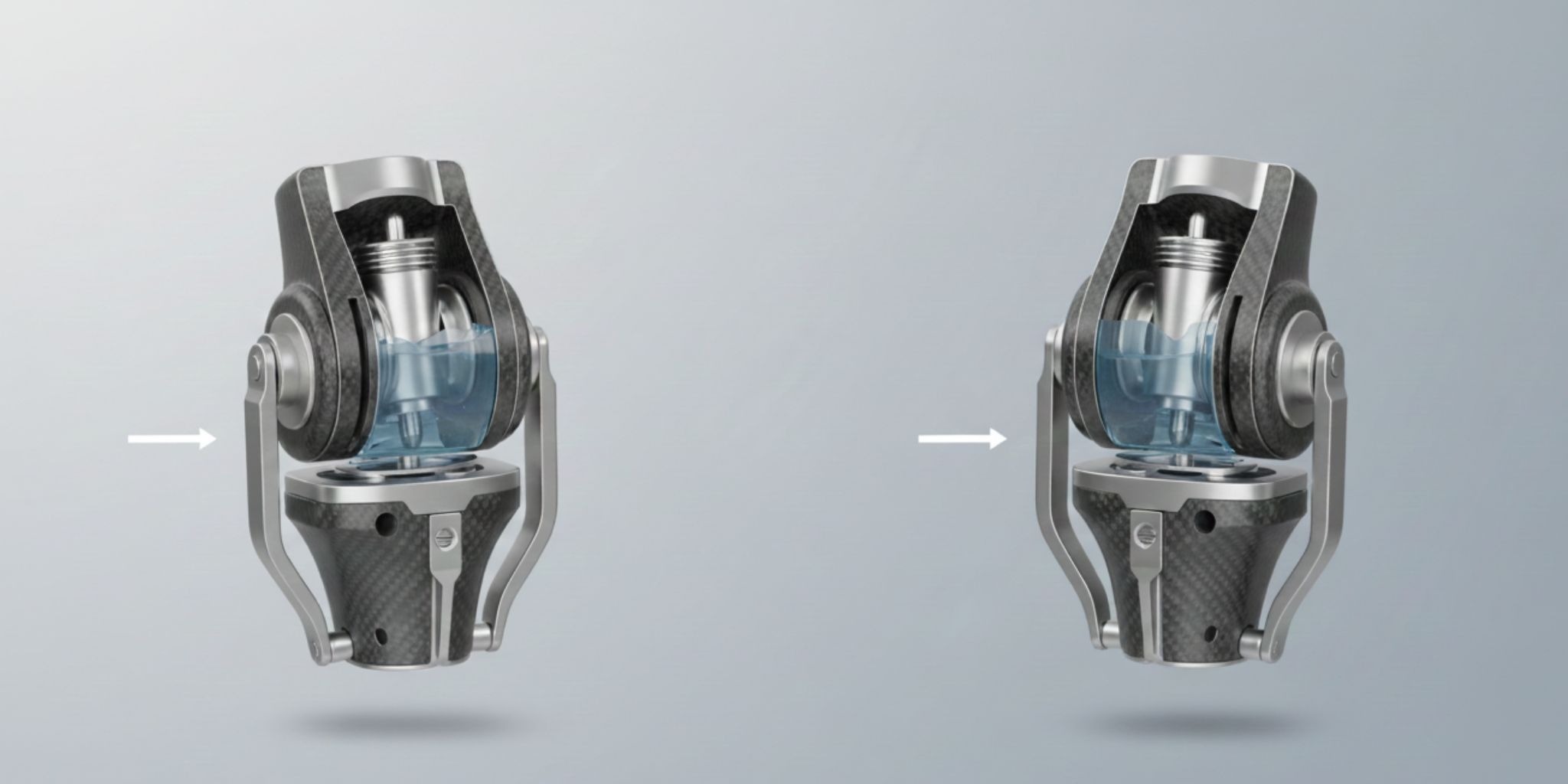
Hydraulic knee mechanisms use liquid-filled cylinders to regulate flexion and extension. The resistance is adjusted by controlling the flow of fluid.
Key Features
- Smooth and highly controlled movement
- Adjustable resistance levels
- Excellent for variable walking speeds
- Strong support during weight-bearing and high-impact activities
Advantages
- Offers the most natural gait pattern
- High adaptability to uneven terrains
- Great stability on slopes and stairs
- Suitable for active users and heavy-duty usage
Limitations
- Generally heavier than pneumatic systems
- More expensive due to complex engineering
- Requires periodic maintenance
How Pneumatic Prosthetic Knees Work
Pneumatic systems use air pressure instead of fluid. Air compresses and decompresses to allow knee movement.
Key Features
- Lightweight and responsive
- Provides moderate control
- Works best at steady walking speeds
Advantages
- Lower cost compared to hydraulic systems
- Easy adjustments for comfort
- Lighter design reduces fatigue
Limitations
- Less effective at varying walking speeds
- Offers limited resistance during high-impact activities
- May feel less stable on slopes or uneven surfaces
Hydraulic vs. Pneumatic: Performance Comparison
Gait Smoothness
Hydraulic systems provide smoother, more natural motion due to fluid regulation, while pneumatic knees offer lighter but less controlled movement.
Stability and Safety
Hydraulic knees excel in stability—especially on slopes, stairs, and uneven terrain. Pneumatic knees provide adequate control but lack high-resistance stability.
Weight
Pneumatic systems are significantly lighter, making them ideal for users who prefer minimal weight.
Adaptability
Hydraulic knees adjust better to various speeds and activity levels, whereas pneumatic systems are best suited for consistent, moderate walking speeds.
Maintenance
Hydraulics require scheduled servicing due to fluid systems. Pneumatics have fewer components and demand less maintenance.
Cost
Pneumatic mechanisms are generally more affordable. Hydraulics are premium units designed for performance and versatility.
Which System Is Right for You?
Choose Hydraulic If You:
- Walk at varying speeds
- Frequently navigate slopes or uneven terrains
- Are an active or moderately active user
- Need maximum stability and natural gait
- Prefer advanced, high-performance prosthetics
Choose Pneumatic If You:
- Prioritize lightweight components
- Walk mostly at steady, predictable speeds
- Want a budget-friendly yet functional solution
- Are a low to moderate activity user
Final Thoughts
Hydraulic and pneumatic knee mechanisms both provide reliable mobility, but their performance characteristics differ significantly. Hydraulic systems deliver superior gait smoothness, stability, and adaptability, while pneumatic systems offer lightweight, affordable solutions suitable for steady walking. Choosing the right system depends on your activity level, mobility goals, and lifestyle needs. For enhanced comfort, durability, and function, many users trust components from the best prosthetics manufacturer in India to ensure a high-quality prosthetic experience tailored to their condition.
Looking for expert guidance on choosing the right prosthetic knee? Contact PROACTIVE Technical Orthopaedics Pvt. Ltd. for advanced prosthetic solutions, customized fittings, and long-term mobility support.
FAQs
1. Which knee mechanism offers better stability?
Hydraulic knees generally offer superior stability, especially on slopes and uneven surfaces.
2. Are pneumatic knees good for beginners?
Yes, they can be ideal for low to moderate activity users who walk at steady speeds.
3. Do hydraulic knees require more maintenance?
Yes, due to fluid systems, they require periodic servicing to ensure optimal performance.
4. Which is more affordable—hydraulic or pneumatic?
Pneumatic knees are usually more budget-friendly.
5. Which system is better for active users?
Hydraulic knees are better suited for those with higher mobility and activity levels.
6. Are pneumatic knees lighter than hydraulics?
Yes, pneumatic mechanisms are generally lighter.
7. Do hydraulic knees work well on stairs?
Yes, they provide controlled movement and enhanced stability on stairs.
8. Can pneumatic knees handle uneven terrain?
They can, but hydraulics provide much better control on such surfaces.
9. How do I choose the best knee mechanism?
Your choice depends on your activity level, terrain usage, mobility goals, and clinician recommendations.
10. Does knee mechanism type affect long-term comfort?
Yes, choosing the right knee unit significantly impacts gait quality, comfort, and overall prosthetic experience.