
Summary
Socket adapters and shuttle locks are small components with major consequences for prosthetic safety and workflow. Clinics must match interface type, socket construction, pyramid or threaded connection, pylon system, body-weight rating, liner pin, build height and material. This guide explains the compatibility checks that should happen before ordering.
A socket adapter or shuttle lock may cost far less than a knee or foot, but an incompatible choice can stop an entire prosthesis from being assembled. Clinics therefore need a standard compatibility process. Product names alone are not enough; the team should identify the socket fabrication method, distal interface, connector geometry, pin system, component rating and available build space before issuing a purchase order.
What Does a Prosthetic Socket Adapter Do?
A socket adapter creates the structural connection between the custom socket and the modular components below it. Depending on the design, it may be laminated into a socket, fixed to a thermoplastic socket or provide a pyramid, receiver or threaded interface.
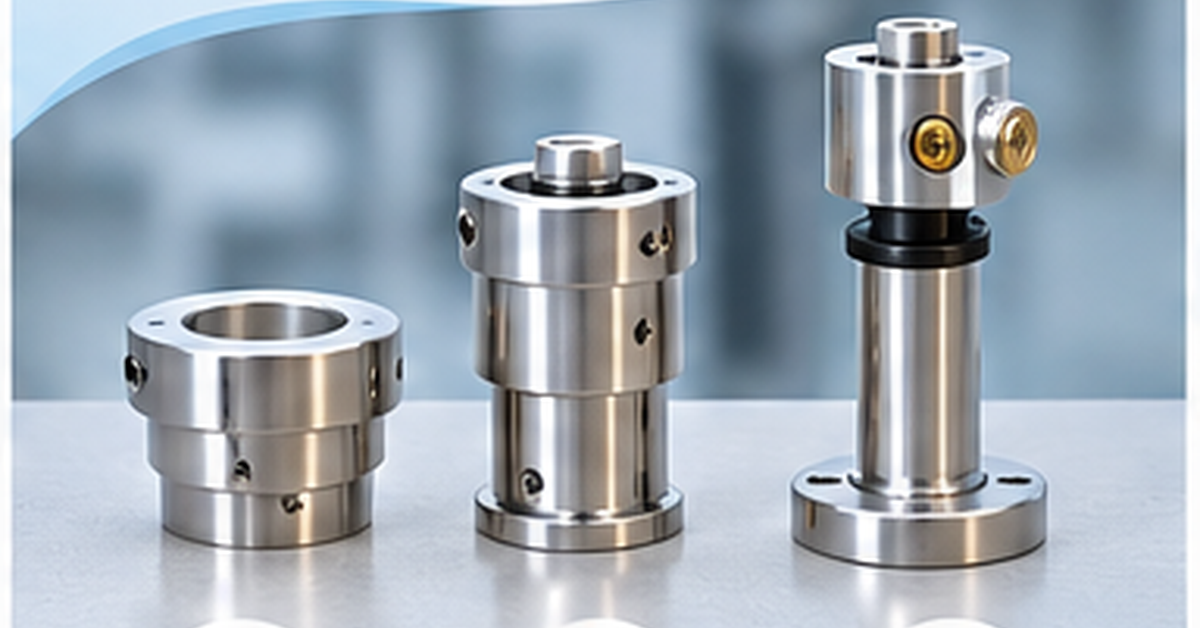
Protech Ortho’s socket adapter range includes four-prong, flat pyramidal, pyramidal receiver, threaded, lamination and plastic socket adapters in different materials and weight ratings.
What Does a Shuttle Lock Do?
A shuttle lock is a suspension component used with a locking liner or pin. The distal pin engages the lock when the user dons the prosthesis, and a release mechanism allows doffing.
The lock must match the liner pin and socket configuration. A lock that physically fits into the socket is not automatically compatible with every liner or user.
Compatibility Check 1: Socket Construction
Identify whether the socket is laminated, thermoplastic, flexible-inner-frame, or another construction. Lamination anchors and plastic adapters are designed for different fabrication methods.
Compatibility Check 2: Distal Connection
Confirm whether the system below the socket uses a pyramid, pyramidal receiver, threaded connection or another interface. Clinics should standardise terminology so purchasing staff and technicians mean the same thing when they say 'adapter'.
Compatibility Check 3: Component Material and Weight Rating
Adapters may be made from carbon steel, stainless steel, aluminium, titanium, nylon or combinations. Material influences weight, corrosion resistance and cost. The body-weight rating must meet the prescription and should not be treated as interchangeable across versions.
Compatibility Check 4: Build Height
Every adapter and lock occupies vertical space. This is especially important for long residual limbs, knee-disarticulation fittings and pediatric systems. A technically compatible component can still be unusable if it makes the finished prosthesis too long.
Compatibility Check 5: Liner Pin and Lock Mechanism
For pin-lock suspension, confirm the pin thread, length, engagement depth and lock mechanism. Do not mix pins and locks based only on appearance. Follow the manufacturer’s recommended combinations.
Compatibility Check 6: Release-Button Position
The user must be able to reach the release button comfortably, and the button must not be blocked by socket contour or cosmetic finishing. Side-mounted release orientation should be planned before final lamination.
Compatibility Check 7: Alignment Adjustability
Some adapters provide rotatable pyramids or receivers that give the prosthetist more alignment flexibility. That can be useful during fitting but also means technicians must apply correct torque and locking procedures.
Create a Clinic Compatibility Matrix
Maintain an internal sheet listing socket type, adapter family, distal interface, tube diameter, lock type, compatible liner pin, body-weight rating and standard fasteners. This reduces repeated purchasing errors and makes staff training easier.
Incoming Inspection for Bulk Adapter Orders
Check product code, quantity, threads, mating surfaces, visible defects, set screws and packaging. For recurring B2B purchases, sample measurements can be compared with approved master components.
Do Not Modify Structural Adapters Improperly
Grinding, drilling, welding or mixing fasteners can change structural integrity. If the required interface is not available, select the correct adapter rather than altering a load-bearing part without validated engineering guidance.
Pyramid vs Threaded Interfaces
Pyramidal systems allow angular alignment through a pyramid and receiver secured by set screws. Threaded systems provide a different structural connection and may be used with specific socket anchors or components. Clinics should clearly distinguish the two in stock records because the names can sound similar even though the parts are not interchangeable.
Three-Prong vs Four-Prong Lamination Anchors
Prong configuration affects how the adapter is incorporated into a laminated socket. The correct choice depends on socket design, available space and the manufacturer’s fabrication instructions. Technicians should not cut or bend structural prongs arbitrarily to force a fit.
Standardise Pins and Locks Where Possible
If a clinic uses multiple locking-liner families, it should document which pins fit which shuttle locks. Standardising on a limited number of validated combinations reduces inventory complexity and the chance of an incompatible pin being issued during a busy fitting day.
Common Compatibility Errors
Frequent errors include confusing a pyramid with a receiver, overlooking tube diameter, using the wrong set screw, selecting an adapter with insufficient weight rating, or discovering too late that the lock adds too much distal build height.
Another common issue is ordering by a photograph. Always use the exact part code and written technical description.
When to Escalate to the Manufacturer
If the intended assembly mixes brands, unusual build heights or custom socket construction, contact the manufacturer before fabrication. A short technical confirmation can prevent a full socket from being laminated around the wrong hardware.
Build Height and Pediatric Fittings
Compatibility becomes even more sensitive in pediatric and long-residual-limb cases because vertical space is limited. A standard adult lock or adapter may physically connect but make the prosthesis too long or heavy. Clinics should keep low-profile and pediatric-specific options clearly separated in inventory.
Document Torque and Fastener Requirements
Set screws and structural bolts are part of the compatibility system. Record the required fastener size, thread, torque and locking method for each adapter family. Using a visually similar screw with a different grade or length can compromise assembly.
A clinic's compatibility sheet should therefore include hardware details, not only the main component code.
Train Stores and Clinical Teams Together
Purchasing staff may not know the difference between a pyramid receiver and a fixed pyramid, while technicians may use informal names that do not match supplier catalogues. A shared coding system and short product training reduce ordering errors.
When new adapter families are introduced, update both the stock database and the fabrication team's reference guide before the first clinical case.
Make Compatibility a Procurement Requirement
Clinics should purchase adapters and locks through a documented technical process, not by visual matching. Clear product codes and a standard compatibility checklist prevent delays and reduce safety risk.
Review Protech Ortho’s prosthetic components and socket adapter range when standardising modular inventory for a clinic or fabrication centre.
Frequently Asked Questions
Can any pyramid adapter connect to any prosthetic component?
Not automatically. Interface geometry, dimensions, ratings and manufacturer compatibility must be checked.
What is a four-prong socket adapter used for?
It is commonly laminated into a prosthetic socket to provide a distal modular connection.
What is a pyramidal receiver?
It is the mating component that accepts a pyramid and allows alignment adjustment using set screws.
Can a shuttle lock work with any locking liner?
No. Pin and lock compatibility should be confirmed with the manufacturer.
Does adapter material matter?
Yes. Material affects weight, strength, corrosion resistance and price.
Why is build height important?
Too much component height can make it impossible to achieve the correct prosthetic length.
Can clinics reuse adapters from an old prosthesis?
Only after professional inspection and when compatibility, condition and manufacturer guidance support reuse.
Should set screws be tightened by feel?
No. Structural fasteners should follow the specified torque and assembly procedure.
What should be included in an adapter inventory sheet?
Product code, interface, material, weight rating, dimensions, compatible components and stock level.
Where can clinics source socket adapters in bulk?
Protech Ortho manufactures and supplies multiple socket-adapter and modular prosthetic component options for B2B buyers.