

Summary:
Receiving your first prosthetic limb is a significant milestone in your recovery journey after limb loss. While it opens the door to greater independence and mobility, adjusting to a prosthetic takes time, patience, and practice. From learning how to walk and perform daily tasks to managing emotional challenges, the adaptation process is unique for every individual. This guide explains what to expect during the transition, practical tips for success, and how proper rehabilitation can help you confidently embrace life with your new prosthetic limb.
Getting your first prosthetic limb can be both exciting and overwhelming. For many individuals, it represents a new beginning—a chance to regain mobility, independence, and confidence after an amputation. However, it’s important to understand that adjusting to a prosthetic limb is a gradual process that requires physical adaptation, emotional resilience, and professional support.
The first few weeks and months with a prosthetic often involve learning new skills, attending rehabilitation sessions, and making lifestyle adjustments. While challenges are normal, modern prosthetic technology and proper rehabilitation can help you achieve remarkable levels of mobility and function.
This guide will help you understand what to expect and provide practical advice for adjusting successfully to your first prosthetic limb.
Understanding the Adjustment Process
Every person’s experience with a prosthetic limb is different. Factors such as the level of amputation, physical health, activity level, and type of prosthetic can influence the adaptation process.
It’s important to remember that becoming comfortable with a prosthetic does not happen overnight. The body and mind need time to adapt to the new device and learn how to use it effectively.
Patience and consistency are key to long-term success.
What to Expect During the First Few Weeks?
The first few weeks are often focused on getting accustomed to wearing the prosthetic and developing basic movement skills.
Initial Discomfort Is Normal
When you first begin using a prosthetic limb, you may experience:
- Mild soreness
- Pressure sensations
- Muscle fatigue
- Temporary skin irritation
These sensations are often part of the adjustment process. However, persistent pain or severe discomfort should be reported to your prosthetist immediately.
Learning New Movement Patterns
Your body must learn new ways of moving, balancing, and distributing weight.
Simple activities such as:
- Standing
- Walking
- Sitting down
- Climbing stairs
may initially feel challenging. Over time, these movements become more natural with practice and training.
Follow Your Rehabilitation Program
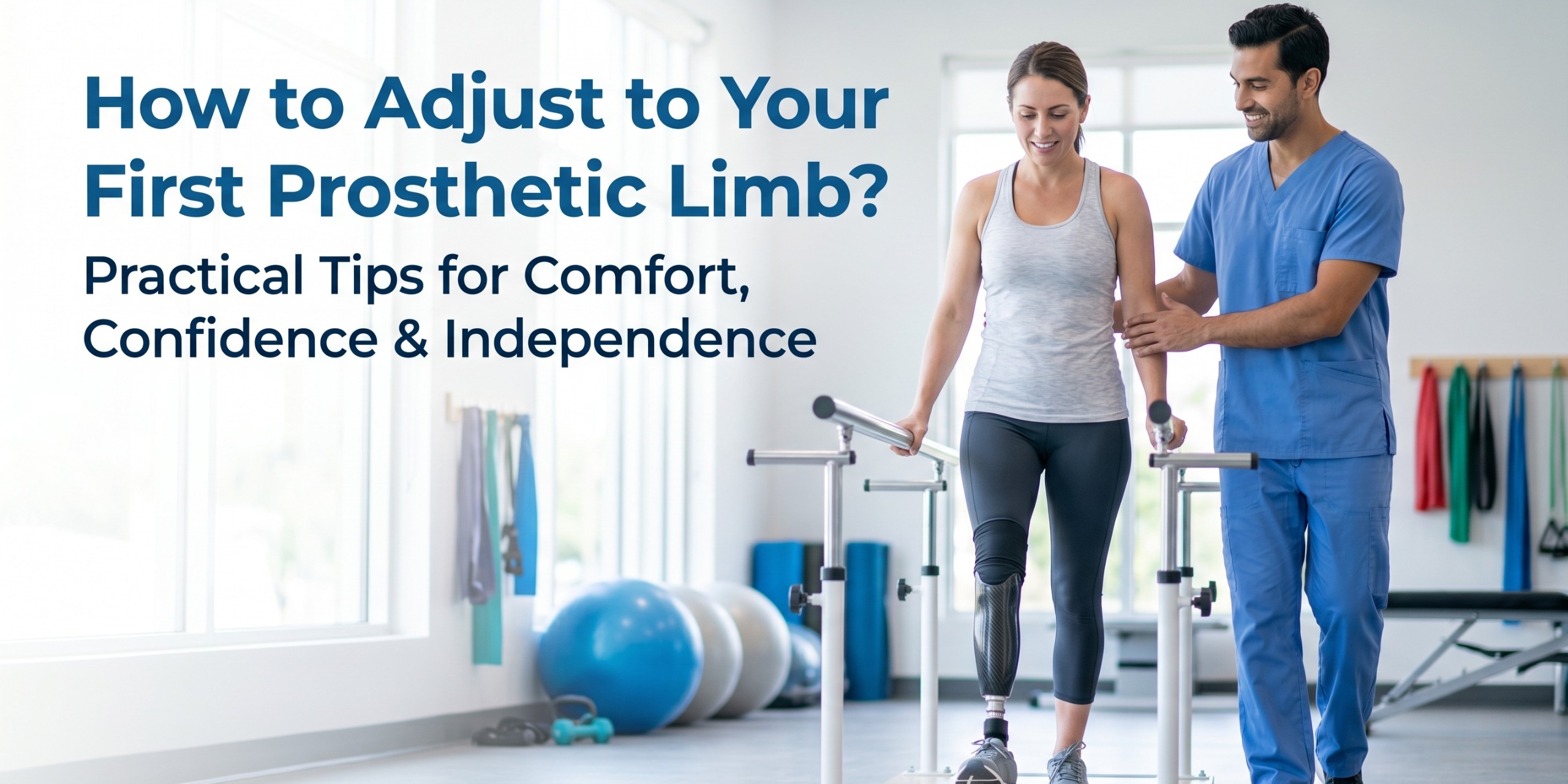
Rehabilitation is one of the most important aspects of adapting to a prosthetic limb.
Work with a Physical Therapist
Physical therapists help improve:
- Balance
- Coordination
- Strength
- Flexibility
- Walking techniques
Their guidance can significantly accelerate your progress and reduce the risk of injury.
Attend Regular Training Sessions
Consistent therapy sessions help build confidence and improve your ability to perform daily activities safely and effectively.
Skipping rehabilitation can slow your progress and create unnecessary challenges.
Build Strength and Endurance
Using a prosthetic limb requires energy and muscle engagement.
Focus on Core Strength
A strong core improves balance and stability while walking and performing daily tasks.
Helpful exercises may include:
- Planks
- Seated core exercises
- Stability training
- Balance drills
Strengthen Supporting Muscles
Your remaining limb and surrounding muscles play a critical role in mobility.
Regular strengthening exercises can help reduce fatigue and improve overall function.
Practice Wearing Your Prosthetic Gradually
One common mistake is trying to wear the prosthetic for too long too quickly.
Start Slowly
Many prosthetists recommend:
- Wearing the prosthetic for short periods initially
- Gradually increasing wear time
- Monitoring skin condition regularly
This allows your residual limb to adapt while minimizing discomfort.
Follow Your Prosthetist’s Recommendations
Every individual has different needs. Always follow the wear schedule provided by your prosthetic specialist.
Learn Proper Prosthetic Care
Taking care of your prosthetic limb helps ensure comfort and performance.
Clean Your Prosthetic Daily
Regular cleaning helps prevent:
- Skin irritation
- Bacterial growth
- Unpleasant odors
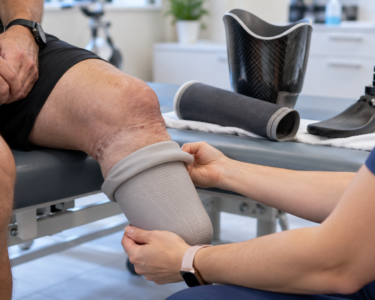
Clean the socket, liners, and components according to your prosthetist’s instructions.
Inspect for Damage
Check regularly for:
- Loose components
- Cracks
- Excessive wear
- Alignment issues
Prompt maintenance can prevent larger problems later.
Pay Attention to Skin Health
Your residual limb will require special care.
Check Your Skin Daily
Look for signs of:
- Redness
- Blisters
- Swelling
- Pressure sores
Early detection allows problems to be addressed before they become serious.
Maintain Proper Hygiene
Keeping the residual limb clean and dry can reduce the risk of infections and skin complications.
Manage Emotional Challenges
Adjusting to a prosthetic limb involves more than physical adaptation.
Acknowledge Your Feelings
It’s normal to experience emotions such as:
- Frustration
- Anxiety
- Sadness
- Uncertainty
These feelings are a natural part of the recovery process.
Seek Support
Talking to:
- Family members
- Friends
- Support groups
- Mental health professionals
can help you navigate emotional challenges more effectively.
Connecting with others who use prosthetic limbs can also provide encouragement and practical advice.
Set Realistic Goals
Recovery and adaptation happen gradually.
Celebrate Small Achievements
Progress may include:
- Taking your first steps
- Walking longer distances
- Climbing stairs independently
- Returning to work
Recognizing these milestones can help maintain motivation and confidence.
Focus on Consistent Improvement
Avoid comparing your progress to others. Everyone’s rehabilitation journey is unique.
Communicate with Your Prosthetist
Your prosthetist is a valuable partner in your recovery.
Report Any Issues Promptly
Contact your prosthetist if you experience:
- Persistent discomfort
- Poor fit
- Skin problems
- Difficulty using the prosthetic
Minor adjustments can often make a significant difference in comfort and performance.
Attend Follow-Up Appointments
As your residual limb changes shape over time, adjustments may be needed to maintain a proper fit.
Regular appointments help ensure your prosthetic continues to meet your needs.
Returning to Daily Activities
As confidence grows, most individuals can gradually return to their normal routines.
Household Tasks
With practice, everyday activities become easier and more manageable.
Work and Career
Many prosthetic users successfully return to their previous occupations or explore new career opportunities.
Exercise and Recreation
Modern prosthetic limbs allow individuals to participate in activities such as:
- Walking
- Running
- Cycling
- Swimming
- Gym workouts
Physical activity can improve both physical and emotional well-being.
Common Challenges and How to Overcome Them
Fatigue
Using a prosthetic may initially require more energy than expected.
Solution
- Increase activity gradually
- Maintain a healthy diet
- Follow your exercise program
Balance Difficulties
Many first-time users experience balance challenges.
Solution
- Practice balance exercises
- Work closely with your therapist
- Use assistive devices when necessary
Frustration
Learning new skills takes time.
Solution
- Stay patient
- Focus on progress
- Seek support when needed
Persistence often leads to significant improvements over time.
Embracing Life with Confidence
While adjusting to your first prosthetic limb may seem challenging at first, it is important to remember that countless individuals have successfully navigated the same journey. With the right support, rehabilitation, and mindset, a prosthetic limb can become an essential tool that helps restore independence and improve quality of life.
The road to adaptation may include obstacles, but each step forward represents progress. By staying committed to your rehabilitation plan, maintaining open communication with your healthcare team, and giving yourself time to adjust, you can build confidence and achieve your personal mobility goals.
Take the Next Step Toward Independence
At PROACTIVE Technical Orthopaedics, we understand that receiving your first prosthetic limb is a life-changing experience. Our team is dedicated to providing personalized prosthetic solutions, expert fitting services, and comprehensive rehabilitation support to help you adapt comfortably and confidently.
Whether you’re beginning your prosthetic journey or looking for ongoing support, we’re here to guide you every step of the way. Contact PROACTIVE Technical Orthopaedics today and discover how the right prosthetic care can help you regain mobility, independence, and confidence.