

Summary
Understand the distinct roles of prosthetists and orthotists. Learn which professional you need for your specific condition and how they work together in rehabilitation.
Many people use ‘prosthetist’ and ‘orthotist’ interchangeably, but these professionals serve different functions in rehabilitation and mobility. Understanding their distinct roles helps you seek the right care and get optimal devices for your needs. Sometimes you’ll work with both professionals simultaneously, as they often collaborate on patient care. This guide clarifies their specializations, training, and when you need each.
What is a Prosthetist?
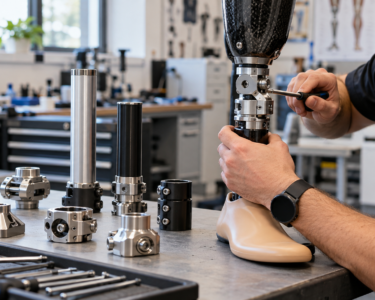
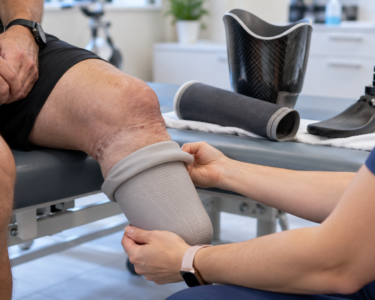
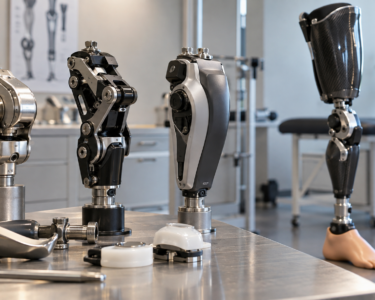
A prosthetist is a healthcare professional specializing in designing, fitting, and providing prosthetic devices—artificial limbs that replace missing limbs due to amputation. Prosthetists work with patients who’ve lost arms, legs, fingers, or other body parts through amputation (whether from trauma, disease, or surgery) or congenital limb differences. They assess your amputation level, lifestyle requirements, and functional goals. They then design a custom prosthetic, take measurements, fit the device, and provide ongoing adjustments and training. Prosthetists must understand anatomy, biomechanics, materials science, and technology. They’re certified through the Board for Orthotist-Prosthetist Certification (BPCC) or American Orthotic and Prosthetic Association (AOPA) and must complete extensive education and practical training.
What is an Orthotist?
An orthotist specializes in designing, fitting, and providing orthotic devices—custom-made supports or braces that enhance function or reduce pain in limbs and joints that still exist. Orthotists work with conditions like scoliosis, knee injuries, foot problems, cerebral palsy, stroke recovery, and spinal issues. Instead of replacing missing limbs, orthotics stabilize, align, or support existing body structures. Common orthotic devices include ankle-foot orthotics (AFOs), knee-ankle-foot orthotics (KAFOs), spinal orthotics, and hand splints. Orthotists also hold BPCC or AOPA certification and require extensive training in anatomy, biomechanics, and prosthetics technology.
Key Differences in Practice
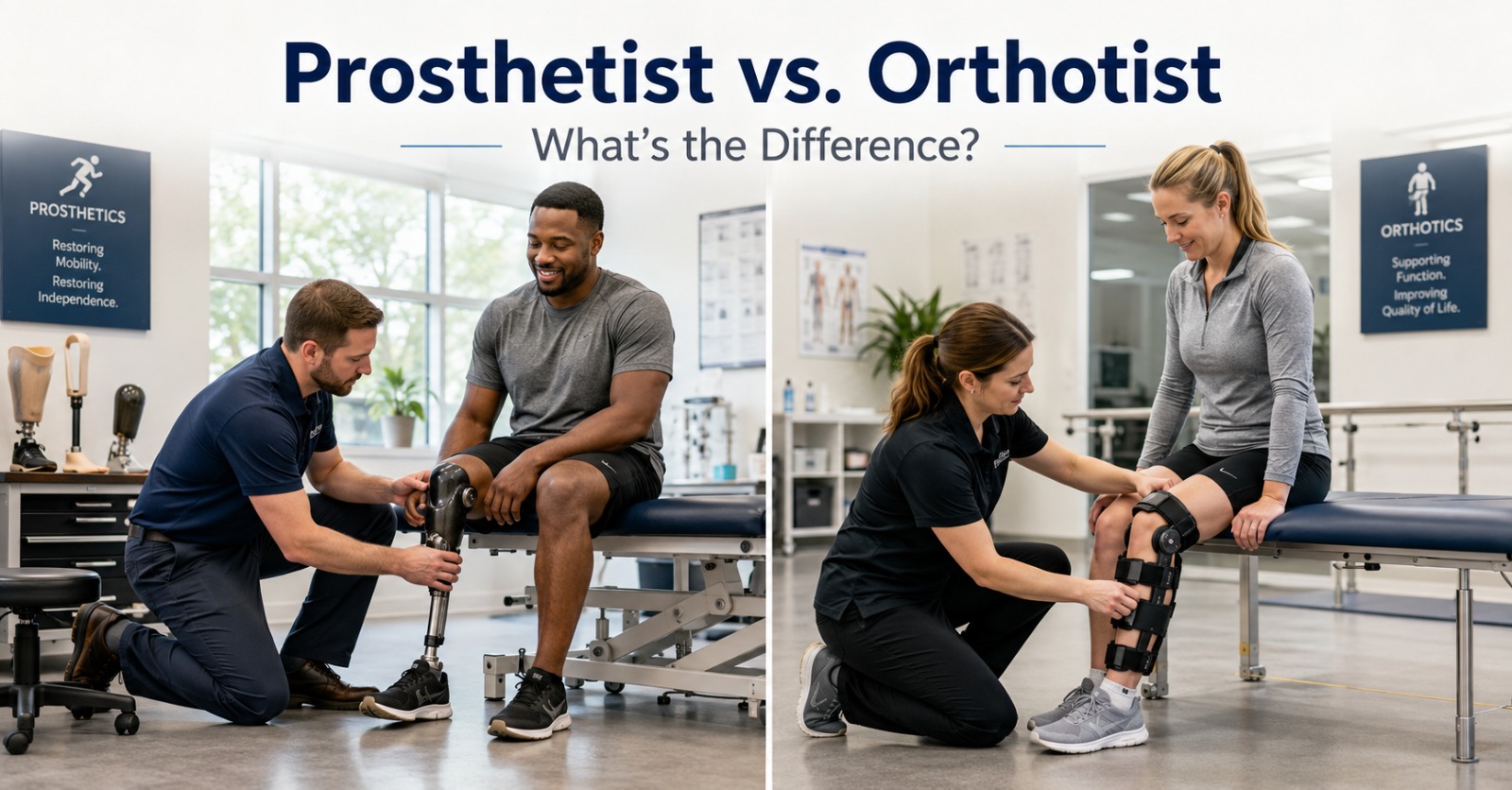
The fundamental difference is replacement versus support. Prosthetists replace missing body parts with artificial limbs. Orthotists support, stabilize, or improve function of existing body structures through braces and supports. Prosthetists address amputation-related challenges. Orthotists address structural alignment, weakness, or stability issues. A prosthetist fits you for a prosthetic arm after amputation. An orthotist fits you for an AFO after a stroke affecting foot drop. Prosthetists typically work with more complex mechanical and electronic components. Orthotists design devices using materials like plastics, metals, and composites configured to support specific joints and movements. Both must understand biomechanics deeply, but their application differs significantly.
Education and Certification Requirements
Both prosthetists and orthotists require significant education. Most pursue a bachelor’s degree in orthotics and prosthetics or a related field, typically a four-year program. After completing their degree, they must pass certification exams through the American Board for Certification in Orthotics, Prosthetics, and Pedorthics (ABC) or equivalent. Many states require licensure. Continuing education is mandatory to maintain certification. Some practitioners specialize further in specific areas—pediatric prosthetics, sports prosthetics, or advanced orthotic management. This extensive training ensures they understand the science behind their devices and can customize solutions for individual patients.
When You Need a Prosthetist
You need a prosthetist if you have an amputation—whether recent or years old—or congenital limb difference. Conditions requiring prosthetic care include traumatic amputation from accidents, surgical amputation due to infection or disease, diabetes-related amputation, and congenital limb differences. Your physician will likely refer you to a prosthetist after amputation. Even people who’ve been amputated for years benefit from visiting a prosthetist because technology improves constantly. Your current prosthetic may be outdated, or new materials and componentry might significantly improve your function. Prosthetists work with your rehabilitation team to maximize your functional outcomes.
When You Need an Orthotist
You need an orthotist for conditions affecting existing limbs and joints. Foot drop from stroke or nerve damage requires an AFO. Knee instability or arthritis may require a knee brace. Scoliosis often requires a spinal orthotic. Cerebral palsy or clubfoot benefits from specialized orthotics. Hand weakness or cerebral palsy might need finger or hand splints. Diabetic foot complications require protective orthotics to prevent ulceration. Your physician typically refers you to an orthotist when conservative treatment or standard braces aren’t providing adequate function or pain relief. Orthotists can often provide more sophisticated solutions than over-the-counter braces, as they customize devices specifically for your condition and anatomy.
Collaboration Between Professionals
Prosthetists and orthotists frequently work together. A stroke patient with foot drop might receive an AFO from an orthotist and benefit from coordination with a prosthetist if they also have an amputation on another limb. A person with diabetes might need orthotics to prevent foot ulcers while also managing an amputation with prosthetics. Pediatric patients often work with both professionals as they grow and their needs change. Rehabilitation centers typically employ both professionals, and they coordinate care to optimize outcomes. Communication between your prosthetist and orthotist ensures consistent treatment goals and prevents contradictory device strategies.
Finding Qualified Professionals
Look for certification through ABC (American Board for Certification), which indicates meeting rigorous standards. Check that the professional is licensed in your state if licensure is required. Ask about their specific experience with your condition—not all prosthetists specialize in all amputation levels, and not all orthotists have equal experience with all conditions. Request referrals from your physician or rehabilitation team. Ask the professional about their approach to device fitting and adjustment. A good prosthetist or orthotist will spend time understanding your lifestyle, goals, and preferences, not simply providing a standard device. Don’t hesitate to seek a second opinion if you’re not satisfied with your current provider.
Modern prosthetic technology has transformed what’s possible for amputees and individuals with limb differences. Whether your priority is functionality, appearance, or a combination of both, options exist to meet your needs. The journey to optimal prosthetic use requires patience, proper training, and collaboration with experienced professionals. As technology continues advancing, returning to your prosthetist periodically ensures you benefit from innovations that could enhance your mobility and quality of life.
Take Your Next Step With Proactive Technical Orthopaedics
Confused about whether you need a prosthetist or orthotist? Proactive Technical Orthopaedics houses both specialists under one roof, ensuring seamless care and coordination. Whether your needs are prosthetic, orthotic, or both, we provide integrated solutions from the best prosthetics manufacturer in India. Contact us to discuss your situation with our team.
Frequently Asked Questions
1. What Is The Difference Between A Prosthetist And An Orthotist?
A prosthetist designs, fits, and adjusts artificial limbs for people who have lost a limb. An orthotist focuses on braces, supports, and other devices that help improve the function, alignment, or stability of existing limbs and body parts.
2. What Does A Prosthetist Do?
A prosthetist evaluates patients who need artificial limbs and creates or fits prosthetic devices based on their individual needs. They also adjust and maintain prostheses to improve comfort, movement, and functionality.
3. What Does An Orthotist Do?
An orthotist designs, fits, and adjusts orthotic devices such as braces, splints, and supports. These devices can help correct alignment, provide stability, reduce discomfort, and improve movement.
4. Do I Need A Prosthetist Or An Orthotist?
You generally need a prosthetist if you require an artificial limb after an amputation or limb loss. An orthotist may be appropriate if you need a brace or support to manage problems involving your bones, joints, muscles, or nerves.
5. Can A Prosthetist And Orthotist Work Together?
Yes. Prosthetists and orthotists often work with doctors, physiotherapists, and other healthcare professionals as part of a rehabilitation team. In some cases, a patient may require both a prosthetic and an orthotic device.
6. What Conditions Do Orthotists Treat?
Orthotists can help people with conditions that affect movement, posture, balance, or joint stability. Their services may be useful for problems related to stroke, cerebral palsy, arthritis, spinal conditions, sports injuries, and certain neurological or musculoskeletal disorders.
7. What Types Of Devices Does An Orthotist Provide?
Orthotists may provide devices such as ankle-foot orthoses, knee braces, spinal braces, wrist supports, and custom foot orthotics. The device selected depends on the patient’s condition, movement needs, and treatment goals.
8. Are Prosthetic And Orthotic Devices Custom Made?
Many prosthetic and orthotic devices are customized to the individual’s body shape, condition, activity level, and functional requirements. Custom fitting can improve comfort, stability, and overall performance.
9. How Do I Choose The Right Prosthetist Or Orthotist?
Consider their qualifications, experience, range of services, approach to patient care, and ability to provide customized fitting and follow-up support. A referral from your doctor or rehabilitation professional can also help you choose an appropriate specialist.
10. Can Prosthetic And Orthotic Devices Improve Mobility?
Yes. Properly fitted prosthetic and orthotic devices can support movement, improve stability, assist with alignment, and help people perform everyday activities more comfortably. The results depend on the individual’s condition, device, and rehabilitation program.