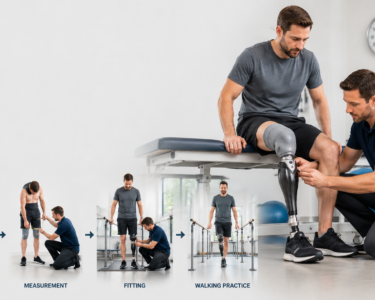

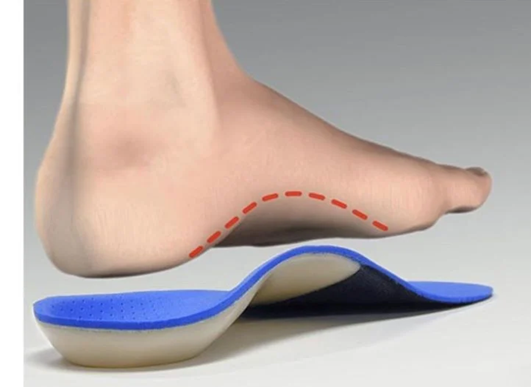

Foot pain, poor posture, and walking discomfort are increasingly common problems due to long working hours, improper footwear, diabetes, and musculoskeletal conditions. One of the most effective and non-invasive solutions for these issues is the use of orthotic insoles. Orthotic insoles are specially designed shoe inserts that provide proper foot support, correct alignment, and reduce stress on the feet and lower limbs.
This blog explains what orthotic insoles are, their types, benefits, and how they work, helping patients and caregivers make informed decisions.
What Are Orthotic Insoles?
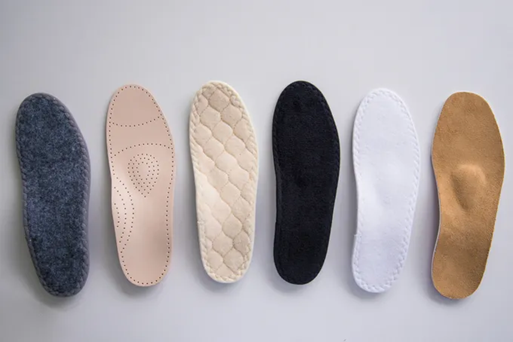
Orthotic insoles, also known as shoe insoles or foot support insoles, are inserts placed inside footwear to support, align, or improve the function of the foot. Unlike regular cushioning insoles, orthotic insoles are designed based on foot biomechanics and are often prescribed to manage pain, deformities, or abnormal walking patterns.
They are commonly used by:
- People with foot pain or heel pain
- Diabetic patients
- Individuals with flat feet or high arches
- Athletes and active individuals
- Elderly people with balance issues
- Patients with knee, hip, or lower back pain
Orthotic insoles can be custom-made or prefabricated, depending on the user’s condition and requirement.
How Do Orthotic Insoles Work?
To understand how orthotic insoles work, it is important to understand basic foot biomechanics.
The human foot has three main arches:
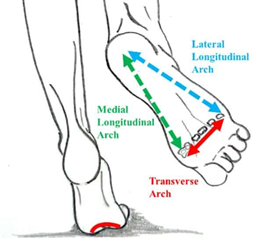
- Medial longitudinal arch
- Lateral longitudinal arch
- Transverse arch
When these arches collapse, over-pronate, or are excessively rigid, it can lead to pain and imbalance throughout the body. Orthotic insoles work by:
- Redistributing plantar pressure across the foot
- Supporting the arches to maintain proper foot alignment
- Correcting abnormal foot motion such as over-pronation or supination
- Absorbing shock during walking and standing
- Reducing stress on joints such as the ankle, knee, hip, and spine
By improving foot alignment, orthotic insoles indirectly improve posture and gait.
Types of Orthotic Insoles
Orthotic insoles are classified based on function, material, and level of customization.
1. Custom Orthotic Insoles
Custom orthotic insoles are individually designed based on:
- Foot assessment
- Gait analysis
- Pressure mapping
- Foot impressions or 3D scans
Best for:
- Severe foot pain
- Diabetic foot conditions
- Structural deformities
- Long-term medical use
Advantages:
- Precise fit
- Maximum correction and support
- Longer lifespan
2. Prefabricated (Ready-Made) Insoles
These are mass-produced shoe insoles available in standard sizes.
Best for:
- Mild foot pain
- General comfort
- Temporary use
Advantages:
- Affordable
- Easily available
- Immediate use
3. Soft Orthotic Insoles
Made from materials like EVA, gel, or foam, soft insoles provide cushioning and pressure relief.
Best for:
- Diabetic foot care
- Arthritis
- Sensitive feet
- Elderly patients
4. Semi-Rigid Orthotic Insoles
These insoles combine cushioning with structural support.
Best for:
- Sports activities
- Flat feet
- Mild biomechanical issues
5. Rigid Orthotic Insoles
Typically made from plastic or carbon composite materials.
Best for:
- Severe biomechanical abnormalities
- Postural correction
- Chronic pain management
Benefits of Orthotic Insoles
Orthotic insoles provide benefits beyond just foot comfort.
1. Pain Relief
Orthotic insoles help reduce:
- Heel pain
- Arch pain
- Plantar fasciitis pain
- Metatarsalgia
By redistributing pressure, they reduce stress on painful areas.
2. Improved Foot Alignment
Proper foot support insoles help align the foot, ankle, and lower limb, reducing abnormal movement patterns.
3. Better Balance and Stability
Orthotic insoles enhance balance, especially in elderly individuals and diabetic patients with neuropathy.
4. Reduced Joint Stress
By correcting foot mechanics, orthotic insoles reduce stress on:
- Knees
- Hips
- Lower back
This helps in managing chronic musculoskeletal pain.
5. Prevention of Foot Ulcers (Diabetic Patients)
Diabetic orthotic insoles help:
- Reduce pressure points
- Prevent skin breakdown
- Lower the risk of foot ulcers and amputations
6. Enhanced Performance
Athletes benefit from improved shock absorption, foot control, and reduced fatigue.
Who Needs Orthotic Insoles?
Orthotic insoles are recommended for individuals with:
- Flat feet or high arches
- Diabetic foot problems
- Heel pain or plantar fasciitis
- Knee, hip, or back pain
- Leg length discrepancy
- Postural imbalance
- Prolonged standing or walking jobs
A qualified prosthetist, orthotist, or podiatrist should assess the need for orthotic insoles.
Custom vs Regular Shoe Insoles: Which Is Better?
| Feature | Custom Orthotic Insoles | Regular Shoe Insoles |
| Fit | Personalized | Standard |
| Correction | High | Minimal |
| Durability | Durability | Short-term |
| Cost | Higher | Lower |
| Medical Use | Recommended | Limited |
How to Choose the Right Orthotic Insole
Consider the following:
- Foot type (flat, normal, high arch)
- Medical condition
- Activity level
- Shoe type
- Professional assessment
Never self-diagnose for severe pain or diabetic conditions.
Maintenance and Care of Orthotic Insoles
- Clean regularly with mild soap
- Air dry only
- Avoid direct heat
- Replace when worn out
- Follow professional advice for replacement intervals
Conclusion
Orthotic insoles play a vital role in improving foot health, mobility, and overall quality of life. Whether you need foot support insoles for daily comfort or custom orthotic insoles for medical conditions, the right insole can significantly reduce pain and improve function.
For best results, consult a qualified orthotic professional to ensure proper assessment, fitting, and follow-up.
Frequently Asked Questions (FAQ)
1. What are orthotic insoles used for?
Orthotic insoles are used to support the foot, improve alignment, and reduce pain caused by foot conditions such as flat feet, high arches, plantar fasciitis, and diabetic foot problems. They also help reduce stress on the knees, hips, and lower back.
2. Are orthotic insoles different from regular shoe insoles?
Yes. Regular shoe insoles mainly provide cushioning, while orthotic insoles are designed to correct foot biomechanics, provide arch support, and redistribute pressure. Orthotic insoles offer medical and functional benefits beyond comfort.
3. Who should use orthotic insoles?
Orthotic insoles are recommended for people with foot pain, heel pain, flat feet, high arches, diabetic foot conditions, knee or back pain, and those who stand or walk for long hours. A professional assessment is advised for proper selection.
4. How do orthotic insoles help in foot pain?
Orthotic insoles help by reducing pressure on painful areas, supporting the arches, absorbing shock, and correcting abnormal foot movement. This reduces strain on muscles and joints, leading to pain relief.
5. Are custom orthotic insoles better than ready-made insoles?
Custom orthotic insoles provide a personalized fit and better correction, especially for medical conditions. Ready-made insoles are suitable for mild discomfort or temporary use. The choice depends on the severity of the problem.
6. Can orthotic insoles help diabetic patients?
Yes. Diabetic orthotic insoles help reduce pressure points, improve weight distribution, and prevent skin breakdown. They play an important role in preventing foot ulcers and complications in diabetic patients.
7. How long do orthotic insoles last?
The lifespan of orthotic insoles depends on usage, body weight, and material. On average, custom orthotic insoles last 12–24 months, while ready-made insoles may need replacement sooner.
8. Can orthotic insoles be used in any type of shoe?
Orthotic insoles can be used in most closed shoes, but proper shoe depth and fit are important. Some insoles are designed specifically for sports shoes, formal shoes, or diabetic footwear.
9. Do orthotic insoles correct flat feet or high arches permanently?
Orthotic insoles do not permanently change foot structure, but they provide continuous support and alignment while being worn. This helps reduce symptoms and prevent further complications.
10. Should I consult a professional before using orthotic insoles?
Yes. For chronic pain, diabetes, or structural foot problems, it is strongly recommended to consult a qualified orthotist, prosthetist, or podiatrist for proper assessment and insole selection.