

The field of Prosthetics and Orthotics (P&O) has undergone a remarkable transformation over the past century. What began as a purely rehabilitation-focused discipline has now evolved into a technologically advanced, innovation-driven healthcare domain. Today, prosthetic and orthotic solutions are not just about restoring mobility—they are about enhancing human potential, improving quality of life, and enabling full participation in society.
At the heart of this global transformation stands the International Society for Prosthetics and Orthotics, a pioneering organization that has played a critical role in shaping standards, education, and innovation worldwide. Alongside this global movement, India is emerging as a powerful leader in the P&O sector, combining affordability, innovation, and skilled clinical practice.
The Evolution of Prosthetics & Orthotics: From Basic Rehabilitation to Advanced Technology
Historically, prosthetics and orthotics were primarily focused on basic rehabilitation helping individuals regain lost function after injury, disease, or congenital conditions. Early devices were often heavy, uncomfortable, and limited in functionality.
However, over time, advancements in engineering, materials science, and medicine have revolutionized the field:
- Lightweight carbon fiber prosthetics
- Microprocessor-controlled knees
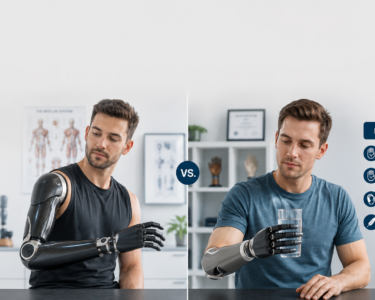
- Myoelectric upper-limb prostheses
- Custom 3D-printed orthotic devices
Modern prosthetic solutions now integrate biomechanics, robotics, artificial intelligence, and digital design, transforming patient outcomes significantly.
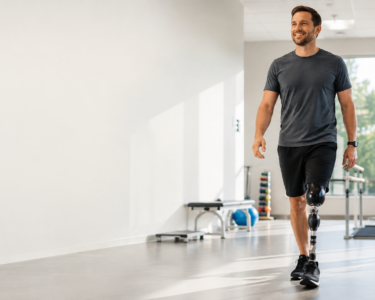
This evolution has shifted the focus from “restoration” to “optimization”, where the goal is not just to walk—but to run, work, and live independently.
The Global Role of ISPO in Advancing P&O Care
The International Society for Prosthetics and Orthotics, founded in 1970, has been a cornerstone in the global advancement of prosthetic and orthotic care. It is a multidisciplinary, non-governmental organization dedicated to improving the quality of life for individuals requiring assistive devices.
ISPO’s Vision and Mission
ISPO envisions “a world where all people have equal opportunity for full participation in society.”
Its mission focuses on enhancing quality of life through:
- Evidence-based prosthetic and orthotic care
- Education and professional development
- Research and innovation
- Global collaboration
- Standardization of clinical practices
Key Contributions of ISPO to the Global P&O Field
1. Global Education and Certification Standards
ISPO plays a major role in accrediting educational programs and promoting standardized training across countries. With over 10,000 graduates from ISPO-accredited programs globally, it ensures consistent quality in P&O services.
This is especially crucial in developing countries where formal education systems in P&O are still evolving.
2. Knowledge Exchange and Global Collaboration
ISPO provides a platform for professionals across more than 100 countries to collaborate, share knowledge, and improve patient care.
Through events like:
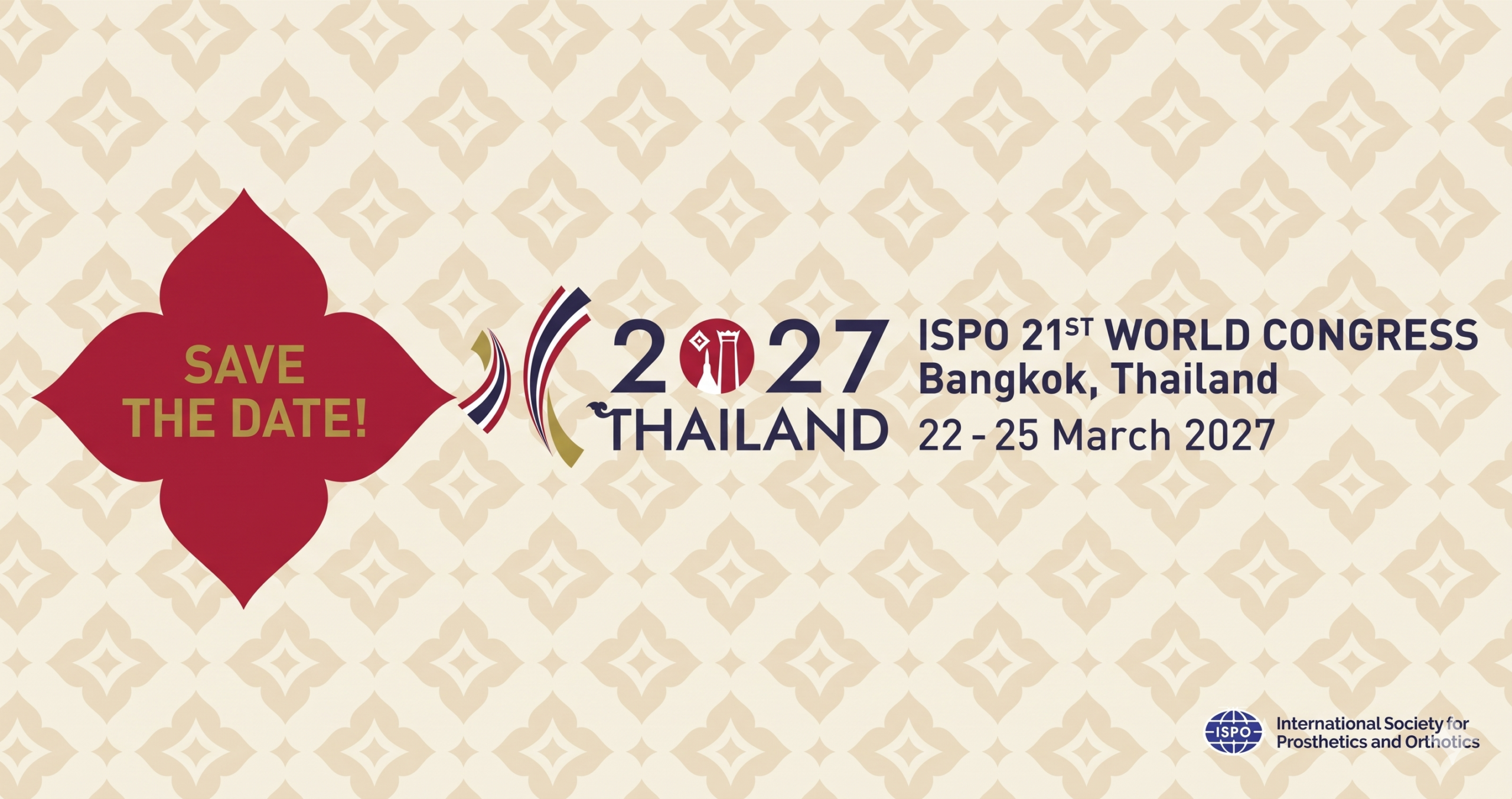
- ISPO World Congress
- Global Educators Meeting (GEM)
- Workshops and regional conferences
professionals stay updated with the latest innovations and best practices.
3. Research and Evidence-Based Practice
ISPO promotes scientific research and evidence-based clinical approaches, ensuring that prosthetic and orthotic interventions are effective, safe, and patient-centered.
The organization also publishes the internationally recognized journal Prosthetics and Orthotics International, contributing to global academic advancement.
4. Advocacy for Accessibility and Inclusion
One of ISPO’s major goals is to ensure equitable access to assistive technology worldwide. Millions of people still lack access to proper prosthetic and orthotic care, especially in low- and middle-income countries.
ISPO works closely with global organizations, including the World Health Organization (WHO), to address these challenges and promote inclusive healthcare systems.
5. Innovation and Technology Promotion
ISPO actively encourages innovation in:
- Digital prosthetics
- CAD/CAM manufacturing
- Rehabilitation engineering
- Assistive technology
By fostering collaboration between clinicians, engineers, and researchers, ISPO drives the future of P&O innovation.
The Shift Toward Innovation in Prosthetics & Orthotics
Today, the field is experiencing a rapid shift toward innovation-driven rehabilitation. Some key global trends include:
Digital Transformation
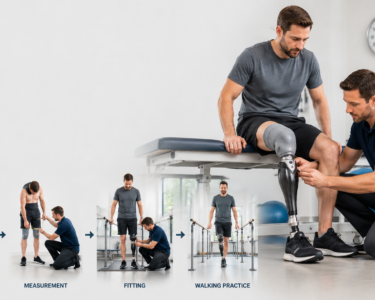
Digital scanning and CAD/CAM technologies are replacing traditional casting methods, improving accuracy and efficiency.
Smart Prosthetics
Microprocessor knees and sensor-based devices allow adaptive movement, improving gait and safety.
3D Printing
Low-cost, customizable prosthetic solutions are now being developed using 3D printing—especially useful in developing countries.
Patient-Centered Care
There is a growing focus on individualized treatment, ensuring better outcomes and higher patient satisfaction.
ISPO plays a crucial role in promoting these innovations globally through education and collaboration.
India’s Emerging Leadership in Prosthetics & Orthotics
India is rapidly becoming a key player in the global P&O landscape. With a combination of clinical expertise, affordability, and innovation, the country is addressing both local and global challenges.
1. Growing Demand for P&O Services
India has a large population with significant needs for prosthetic and orthotic care due to:
- Road traffic accidents
- Diabetes-related amputations
- Congenital deformities
- Occupational injuries
This demand has led to rapid growth in the P&O sector.
2. ISPO India’s Contribution
ISPO India has been actively contributing to the development of P&O services in the country since the 1980s.
Key initiatives include:
- Training programs and workshops
- Collaboration with international organizations
- Skill development for professionals
- Promotion of global standards in India
These efforts have significantly improved the quality of prosthetic and orthotic care in India.
3. Affordable Innovation
India is known for creating cost-effective prosthetic solutions without compromising functionality. Innovations like low-cost prosthetic limbs have gained global recognition.
This approach aligns with ISPO’s mission of improving accessibility and affordability worldwide.
4. Skilled Workforce and Education
India is producing a growing number of trained prosthetists and orthotists through specialized educational programs. Many of these programs align with ISPO standards, ensuring global competency.
5. Integration of Technology
Indian clinics and manufacturers are increasingly adopting:
- CAD/CAM systems
- 3D printing
- Advanced materials
- Digital rehabilitation tools
This technological integration is positioning India as a hub for innovation in the P&O field.
Challenges in the P&O Sector
Despite significant progress, several challenges remain:
- Limited access to services in rural areas
- Lack of awareness about prosthetic solutions
- Financial constraints for patients
- Shortage of trained professionals in some regions
ISPO continues to address these challenges through global initiatives, partnerships, and policy advocacy.
The Future of Prosthetics & Orthotics: A Global Perspective
The future of P&O lies at the intersection of technology, healthcare, and human-centered design. Emerging trends include:
- AI-powered prosthetics
- Brain-computer interfaces
- Advanced materials and biomechanics
- Tele-rehabilitation services
With organizations like ISPO leading the way, the focus will remain on equitable access, innovation, and quality care.
Conclusion: A Unified Vision for Mobility and Inclusion
The journey of prosthetics and orthotics—from basic rehabilitation tools to advanced technological solutions—reflects the power of innovation and collaboration.
The International Society for Prosthetics and Orthotics has been instrumental in shaping this journey by:
- Setting global standards
- Promoting education and research
- Encouraging innovation
- Advocating for accessibility
At the same time, India’s growing contributions highlight the potential of emerging economies to lead in healthcare innovation, with several organizations emerging as the best prosthetics supplier in India and driving advancements in quality and accessibility.
Together, through global collaboration and a shared vision, the future of prosthetics and orthotics is not just about restoring movement—it is about empowering lives, enabling independence, and building an inclusive world for all.