
Summary
Hospitals, P&O centres, NGOs and distributors buying prosthetic components in bulk need more than a low unit price. Manufacturing capability, quality systems, consistent specifications, product range, traceability, lead time, packaging, documentation, after-sales support and export readiness all affect procurement risk. This guide provides a practical supplier-evaluation framework.
Bulk prosthetic purchasing is different from buying a single component for one patient. A clinic or distributor needs the next 50 or 500 parts to perform consistently, arrive on time and remain compatible with the rest of its inventory. An attractive quote can become expensive if batches vary, documentation is incomplete or replacement parts are unavailable. Procurement should therefore evaluate the manufacturer as a long-term technical partner.
1. Confirm the Manufacturer’s Actual Production Capability
Ask which products are manufactured in-house and which are imported or traded. Review machining, fabrication, assembly, testing and inspection capacity. A supplier that understands its own production process can usually respond more effectively when a technical issue appears.
Proactive Technical Orthopaedics operates a B2B manufacturing and trading division and lists prosthetic components, knees, feet, liners, tools, machinery and raw materials across its product portfolio.
2. Review Quality Management and Product Standards
Request current quality-system certificates and ask which product families fall within the stated scope. Check whether load-bearing components are tested to relevant prosthetic standards and whether the supplier can provide supporting documents when required.
Do not rely only on a logo printed in a catalogue. Procurement teams should verify certificate validity and scope.
3. Compare Batch-to-Batch Consistency
For bulk users, repeatability matters as much as a single sample. Ask how dimensions, threads, tolerances, surface finish and material specifications are controlled from batch to batch.
A small variation in an adapter or pyramid can create alignment problems across many fittings, so dimensional consistency should be part of incoming inspection.
4. Check the Breadth of the Component Range
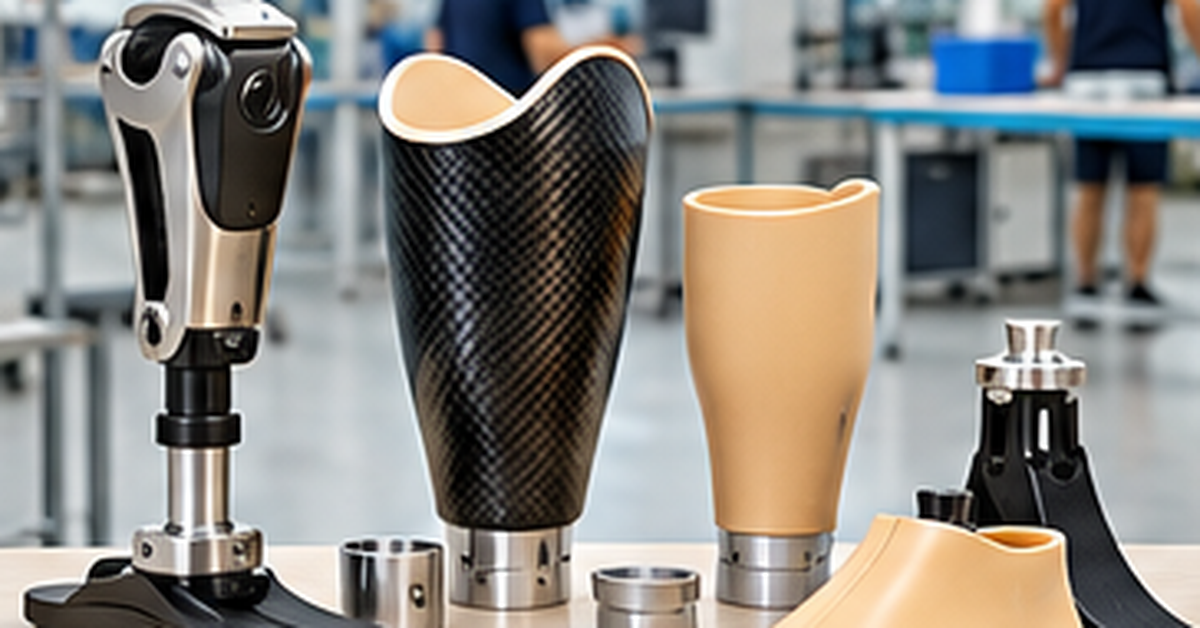
A broad compatible range can reduce the number of suppliers a clinic must manage. Look for socket adapters, tube clamps, pylons, foot adapters, shuttle locks, liners, knees, feet and pediatric components where relevant.
The advantage is not only convenience; it can also reduce compatibility risk when multiple parts are designed around common modular interfaces.
5. Ask About Body-Weight Ratings and Technical Data
Every load-bearing component should have a clearly stated body-weight limit or applicable rating. Ask for product codes, materials, dimensions, weights and instructions rather than ordering by generic names.
6. Evaluate MOQ, Lead Time and Stock Support
Bulk buyers should know minimum order quantities, normal production lead time, stocked items, seasonal capacity and emergency replenishment options. A low price with a six-week uncertain lead time can disrupt clinical operations.
7. Review Packaging and Traceability
Components should arrive protected from corrosion, impact and mix-ups. Ask how parts are labelled, whether product codes and batches are traceable, and how complaints or recalls would be handled.
8. Check Documentation for Domestic and Export Orders
International distributors may need invoices, packing lists, certificates of origin, quality documentation and other market-specific records. Confirm what the manufacturer can provide before the first large order.
9. Ask About Customisation and OEM Capability
Some buyers need private labelling, modified packaging, special dimensions or OEM development. Clarify whether the manufacturer can handle these requirements, what development quantities apply and who owns the tooling or design.
10. Evaluate After-Sales and Technical Support
When a clinic has an installation or compatibility question, it needs a technical answer quickly. Ask whether support is handled by sales staff only or whether engineering and clinical teams are available.
Protech Ortho’s manufacturing facility and clinical division allow technical and fitting considerations to be discussed within the same organisation.
11. Test With a Controlled Trial Order
Before a large procurement commitment, place a smaller order and evaluate delivery, packaging, dimensions, compatibility, documentation and communication. Record issues systematically rather than relying on general impressions.
12. Compare Total Procurement Value, Not Only Unit Cost
Include freight, rejected parts, service delays, inventory carrying cost, warranty handling and clinical downtime. A slightly higher component price can be better value if the supplier provides stable quality and dependable support.
Build a Supplier Scorecard Before Tendering
Create weighted criteria for quality system, product range, lead time, technical documentation, price, defect history, support, export readiness and payment terms. Scoring suppliers against the same framework prevents procurement decisions from being dominated by one attractive quotation.
Request Technical Samples, Not Only Catalogue Photos
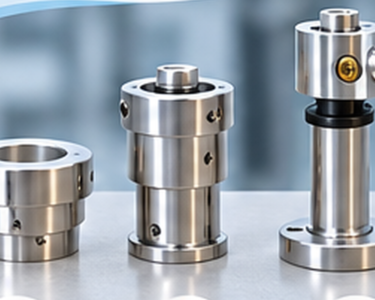
Physical samples allow the clinical and technical team to check machining quality, threads, surface finish, interface fit and packaging. Where appropriate, test components in a controlled workshop environment before approving them for clinical use.
Plan Inventory Around Fast- and Slow-Moving Parts
Socket adapters, tube clamps and common foot sizes may move quickly, while specialised knees or pediatric parts may move slowly. Work with the manufacturer to define sensible stock levels rather than ordering the same quantity of every item.
What Should Be in a Bulk Purchase Agreement?
Specify product codes, quantities, materials, weight ratings, packaging, documentation, delivery schedule, acceptance criteria, warranty handling and the process for non-conforming parts. If private labelling is required, define artwork approval and traceability before production.
Common Bulk Procurement Mistakes
Do not approve a supplier based on one perfect sample if production capacity has not been evaluated. Avoid changing product codes mid-contract without technical review. And do not let purchasing teams substitute components solely on price when the clinical team has approved a specific interface or rating.
Assess Financial and Commercial Reliability
For recurring procurement, evaluate credit terms, payment milestones, currency exposure for imports, freight responsibility and how price revisions are communicated. A supplier should be commercially predictable as well as technically capable.
If the order supports a tender or government project, confirm whether the manufacturer can meet documentation deadlines and maintain the quoted specification for the entire contract period.
Audit Communication Quality
Bulk purchasing generates technical questions: equivalent parts, drawing revisions, production dates, shipment splits and complaints. Track how quickly and accurately the supplier responds during the trial phase. Poor communication before the purchase usually becomes more expensive after the purchase.
A named technical and commercial contact is useful for hospitals and distributors managing repeated orders.
Choose a Manufacturer That Can Support Your Clinical Growth
The right bulk supplier should combine consistent manufacturing, technical documentation, compatible products, predictable logistics and responsive support. Procurement teams should treat the relationship as part of patient-care quality, not only purchasing.
Hospitals, clinics, NGOs and distributors can contact Protech Ortho to discuss current B2B product availability, bulk requirements and export support.
Frequently Asked Questions
What should I check first in a prosthetic component manufacturer?
Start with manufacturing capability, quality systems, technical specifications and product consistency.
Is the lowest bulk price usually best?
No. Quality variation, delays and rejected components can make a cheaper supplier more expensive overall.
Should I request certificates?
Yes. Verify that certificates are current and relevant to the products being purchased.
What technical data should each component have?
Product code, material, weight, dimensions where relevant, body-weight rating and compatibility information are useful.
Why is traceability important?
It helps identify affected batches if a quality issue occurs and improves complaint handling.
Should I place a sample order first?
Yes. A controlled trial order is a practical way to evaluate quality and logistics.
Can one manufacturer supply knees, feet and adapters?
Some manufacturers offer broad ranges, which can simplify procurement and compatibility management.
What is OEM manufacturing?
OEM arrangements allow a manufacturer to produce products or variants for another brand under agreed specifications.
What should export buyers check?
Documentation, packaging, lead time, certifications, Incoterms, customs support and after-sales processes.
Does Protech Ortho supply bulk orders?
Yes. Protech Ortho states that its B2B division supplies prosthetic components, machinery and raw materials to healthcare organisations and distributors.