

Summary:
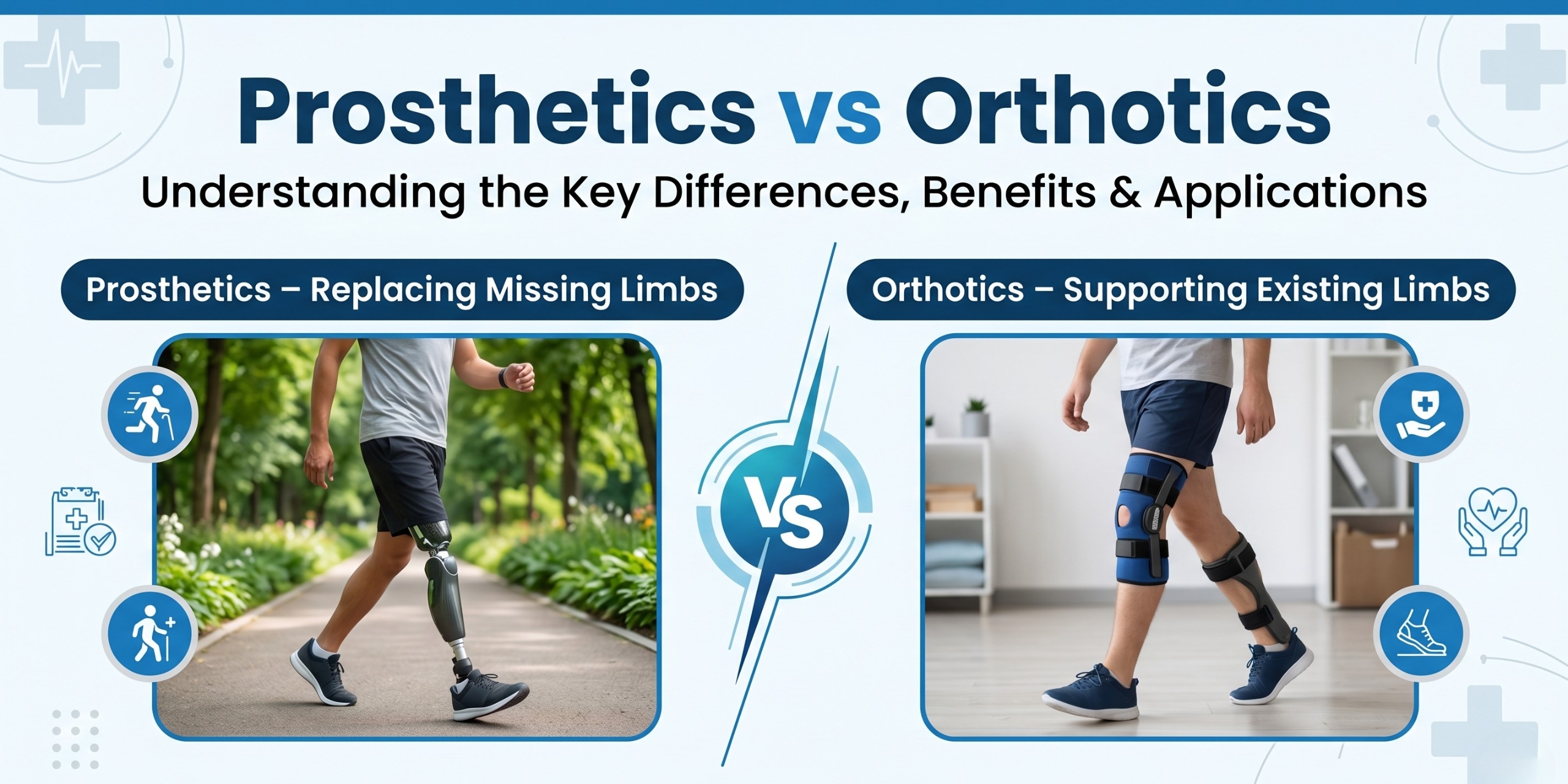
Prosthetics and orthotics are often mentioned together in rehabilitation and mobility care, but they serve very different purposes. While prosthetics are designed to replace missing limbs, orthotics are used to support, align, or improve the function of existing limbs and body parts. Understanding the difference between these two specialized healthcare solutions can help individuals make informed decisions about their treatment and mobility needs. This guide explains what prosthetics and orthotics are, how they work, their benefits, and when each may be recommended.
Advancements in rehabilitation technology have transformed the lives of millions of people by improving mobility, independence, and overall quality of life. Among the most important innovations in this field are prosthetic and orthotic devices.
Although the terms “prosthetics” and “orthotics” are sometimes used interchangeably, they refer to distinct medical specialties that address different physical conditions. Both are designed to improve movement and functionality, but their applications, designs, and goals differ significantly.
Whether you are recovering from an injury, managing a medical condition, or supporting a loved one through rehabilitation, understanding the difference between prosthetics and orthotics can help you choose the right solution for your needs.
What Are Prosthetics?
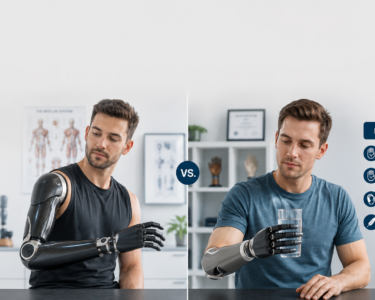
Prosthetics involve the design, manufacture, and fitting of artificial devices that replace missing body parts, most commonly arms, legs, hands, or feet.
A prosthetic device is used when a person has experienced limb loss due to:
- Traumatic injury
- Diabetes-related complications
- Vascular disease
- Cancer
- Congenital limb differences
- Severe infections
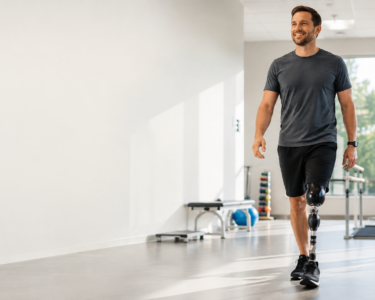
The primary purpose of a prosthetic limb is to restore function, mobility, and independence.
Types of Prosthetic Devices
Upper Limb Prosthetics
These devices replace missing upper extremities and may include:
- Prosthetic hands
- Prosthetic arms
- Partial hand prosthetics
- Myoelectric prosthetics
Lower Limb Prosthetics
These devices replace missing lower extremities and may include:
- Below-knee prosthetics
- Above-knee prosthetics
- Partial foot prosthetics
- Sports prosthetics
Benefits of Prosthetics
Prosthetic devices provide numerous advantages, including:
- Improved mobility
- Greater independence
- Enhanced balance and stability
- Better quality of life
- Increased participation in work and recreational activities
- Improved self-confidence
Modern prosthetics are increasingly sophisticated and can closely mimic natural movement.
What Are Orthotics?
Orthotics involve the design and fitting of supportive devices that help improve the function of existing body parts.
Unlike prosthetics, orthotics do not replace a missing limb. Instead, they provide support, alignment, correction, or protection to muscles, joints, and bones.
Orthotic devices are commonly prescribed for individuals experiencing:
- Musculoskeletal disorders
- Neurological conditions
- Foot abnormalities
- Spinal problems
- Sports injuries
- Post-surgical recovery
The goal of orthotic treatment is to enhance movement, reduce pain, and prevent further complications.
Types of Orthotic Devices
Foot Orthotics
Custom shoe inserts are among the most commonly used orthotic devices.
They can help address:
- Flat feet
- Plantar fasciitis
- Heel pain
- Arch support issues
Ankle-Foot Orthoses (AFOs)
AFOs support the foot and ankle and are frequently prescribed for individuals with neurological or muscular conditions.
Knee Orthoses
Knee braces provide support and stability for individuals recovering from injury or managing joint conditions.
Spinal Orthoses
Back braces and spinal supports help manage posture-related issues and spinal disorders.
Upper Limb Orthoses
These devices support the arms, wrists, elbows, and hands following injury or surgery.
Benefits of Orthotics
Orthotic devices offer several benefits, including:
- Reduced pain and discomfort
- Improved posture and alignment
- Enhanced mobility
- Better joint stability
- Injury prevention
- Support during rehabilitation
Orthotics can often delay or reduce the need for surgical intervention.
Key Differences Between Prosthetics and Orthotics
Although both prosthetics and orthotics aim to improve mobility and function, their purposes differ significantly.
Purpose
Prosthetics
Designed to replace a missing body part.
Orthotics
Designed to support or improve the function of an existing body part.
Users
Prosthetic Users
Individuals who have experienced limb loss or were born without a limb.
Orthotic Users
Individuals who have weakened, injured, or misaligned limbs, joints, or muscles.
Function
Prosthetics
Restore lost movement and functionality.
Orthotics
Enhance existing movement, alignment, and support.
Customization
Both prosthetic and orthotic devices are highly customized to meet the unique needs of each patient.
Conditions That May Require Prosthetics
A prosthetic device may be recommended for individuals who have experienced:
Traumatic Amputation
Accidents involving machinery, vehicles, or severe injuries can result in limb loss.
Medical Amputation
Conditions such as diabetes and vascular disease can sometimes necessitate amputation.
Congenital Limb Differences
Some individuals are born with limb differences and may benefit from prosthetic solutions.
Cancer-Related Limb Loss
Certain cancers may require surgical removal of a limb to prevent disease progression.
Conditions That May Require Orthotics
Orthotic devices may be recommended for various conditions, including:
Foot Disorders
- Flat feet
- High arches
- Plantar fasciitis
Neurological Conditions
- Stroke
- Cerebral palsy
- Multiple sclerosis
Musculoskeletal Conditions
- Arthritis
- Tendon injuries
- Ligament instability
Spinal Conditions
- Scoliosis
- Postural issues
- Back pain
Orthotics can improve comfort, mobility, and long-term joint health.
The Role of Prosthetists and Orthotists
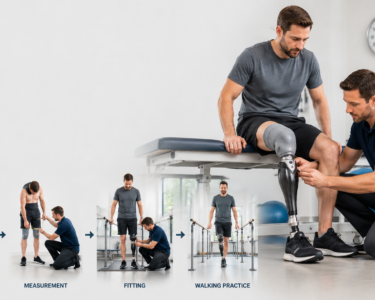
Certified prosthetists and orthotists are healthcare professionals trained to assess, design, fit, and adjust these devices.
Their responsibilities include:
- Patient evaluation
- Device design
- Custom fitting
- Rehabilitation support
- Ongoing maintenance and adjustments
Working with an experienced specialist helps ensure optimal outcomes and long-term comfort.
Advances in Prosthetic and Orthotic Technology
Modern technology continues to enhance both prosthetic and orthotic care.
Innovations in Prosthetics
Recent developments include:
- Bionic limbs
- Myoelectric prosthetics
- Microprocessor-controlled knees
- 3D-printed prosthetic components
Innovations in Orthotics
Modern orthotic solutions now feature:
- Lightweight materials
- Digital scanning technology
- Custom 3D-printed orthoses
- Smart orthotic systems
These advancements improve comfort, performance, and patient satisfaction.
How to Determine Which Solution You Need
The best way to determine whether prosthetic or orthotic care is appropriate is through a professional evaluation.
A qualified specialist will assess:
- Medical history
- Physical condition
- Mobility challenges
- Lifestyle requirements
- Treatment goals
Based on the assessment, they can recommend the most suitable solution to improve function and quality of life.
Choosing the Right Provider for Prosthetic and Orthotic Care
Selecting an experienced provider is essential for successful outcomes.
Look for a clinic that offers:
- Certified prosthetists and orthotists
- Customized solutions
- Advanced technology
- Comprehensive rehabilitation services
- Ongoing patient support
The right provider can make a significant difference in comfort, mobility, and long-term satisfaction.
Empowering Mobility Through the Right Solution
While prosthetics and orthotics are often grouped together, they serve distinct purposes in rehabilitation and mobility care. Prosthetics replace missing limbs and restore lost function, while orthotics support existing body parts and improve movement, alignment, and comfort.
Understanding the difference between these two solutions is the first step toward choosing the most appropriate treatment for your needs. With advancements in technology and personalized care, both prosthetic and orthotic devices continue to help individuals lead more active, independent, and fulfilling lives.
Partner with PROACTIVE Technical Orthopaedics
At PROACTIVE Technical Orthopaedics, we specialize in providing advanced prosthetic and orthotic solutions tailored to each patient’s unique needs. Our experienced team combines cutting-edge technology, personalized care, and comprehensive rehabilitation support to help individuals regain mobility, confidence, and independence.
Whether you need a custom prosthetic limb or an orthotic device designed to improve function and comfort, PROACTIVE Technical Orthopaedics is committed to helping you achieve the best possible outcome. Contact us today to learn more about our specialized prosthetic and orthotic services.