

Summary: Finding a high-quality prosthetic clinic is one of the most important decisions you will make after limb loss. This guide helps you evaluate clinics based on certification, technology, patient care, and support services so you receive the best possible outcome.
After experiencing limb loss, one of the most critical choices you will face is selecting the right prosthetic clinic. Your clinic and prosthetist will be your partners in recovery, rehabilitation, and long-term mobility. The quality of care you receive directly influences how well you adapt to your prosthetic, how comfortable it feels, and how quickly you regain your independence.
With so many clinics available, the process can feel overwhelming. This guide walks you through what to look for, the right questions to ask, and the red flags to avoid.
Why Choosing the Right Clinic Matters?
A prosthetic clinic is not just a place where you pick up a device. It is a comprehensive care environment that should include:
• Initial evaluation and goal setting
• Custom fabrication and fitting
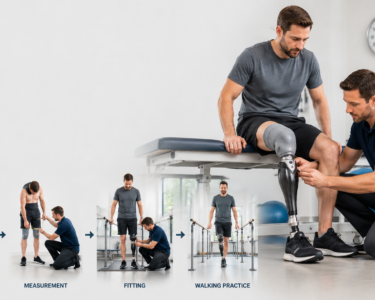
• Gait training and rehabilitation support
• Long-term follow-up and adjustments
The clinic you choose will influence your comfort, mobility, and quality of life for years to come. A skilled, attentive team makes a significant difference.
Key Factors to Evaluate
Certification and Credentials
Always check whether the prosthetists at a clinic hold recognized certifications. In India, look for professionals trained at accredited institutes and registered with relevant bodies. International certifications and affiliations with organizations such as ISPO (International Society for Prosthetics and Orthotics) are strong indicators of quality.
Range of Prosthetic Solutions Offered
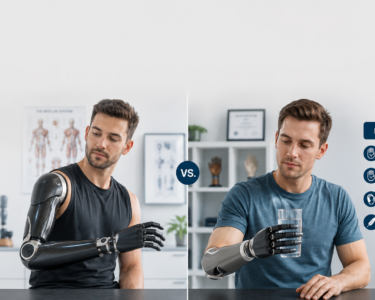
A good clinic should offer a broad range of solutions — from basic functional prosthetics to advanced microprocessor-controlled devices. Clinics that work with only one type or brand of prosthetic may not be offering you the best option for your needs.
Technology and Equipment
Modern prosthetic fabrication uses computer-aided design (CAD), 3D scanning, and high-precision manufacturing. Clinics equipped with the latest technology are better positioned to create devices that fit accurately and perform well.
Rehabilitation Services On-Site
The best clinics offer integrated rehabilitation services including physiotherapy and gait training. Learning to walk, run, or navigate stairs with a prosthetic takes time and guided practice. Clinics that provide this in-house deliver a far more seamless experience.
Patient Reviews and Testimonials
Look for reviews from real patients, particularly active adults with similar lifestyles or amputation levels to your own. Long-term testimonials that speak to follow-up care and durability of fittings are especially valuable.
Questions to Ask Before Choosing a Clinic
When you contact or visit a potential prosthetic clinic, ask:
• What is the experience of your certified prosthetists?
• Do you offer trials before the final prosthetic is fabricated?
• What brands and technology do you work with?
• How do you handle emergencies, repairs, or urgent adjustments?
• Do you provide gait training and rehabilitation on-site?
• What are your wait times from evaluation to fitting?
Red Flags to Watch For
Not all clinics are created equal. Be cautious of:
• Clinics that rush the evaluation and fitting process
• Providers who push a single product without discussing alternatives
• Limited or no post-fitting follow-up care
• Lack of transparency about costs and what is included
• Outdated equipment or poorly maintained premises
The Importance of Proximity vs. Quality
While convenience is a factor, do not let location be your primary criterion. A slightly longer journey to a superior clinic can result in far better outcomes. However, proximity matters for ongoing adjustments and emergencies. If possible, find a clinic that balances both — quality care within a reasonable distance.
Online Research and In-Person Visits
Start your search online by looking for certified prosthetists in your city or region. Check clinic websites for information on team qualifications, services, and case studies. Then schedule an initial consultation to get a feel for the environment, the team’s responsiveness, and their approach to patient care.
A reputable clinic will welcome your questions and take time to explain the process without pressure. Trust your instincts during the visit — how you are treated from the very first interaction says a great deal about the clinic’s values.
Choose Excellence in Prosthetic Care with PROACTIVE Technical Orthopaedics Pvt. Ltd.
PROACTIVE Technical Orthopaedics Pvt. Ltd. is committed to delivering world-class prosthetic care with certified expertise, advanced technology, and compassionate patient support. We walk alongside you from your first consultation through every milestone of your rehabilitation journey.
Contact PROACTIVE Technical Orthopaedics Pvt. Ltd. today to experience prosthetic care that puts your goals first.
Frequently Asked Questions
1. How far should I travel for a prosthetic clinic?
This depends on your specific needs. For initial fittings and complex cases, it may be worth travelling to a specialized centre. Ongoing adjustments ideally happen locally, so consider a clinic with multiple locations or strong telehealth support.
2. How do I know if a prosthetist is certified?
Ask directly for their qualifications and certifications. Reputable professionals will provide this information readily. You can also verify through ISPO or other recognized bodies.
3. Can I change clinics if I am unhappy with my current one?
Yes. While continuity of care is beneficial, you have the right to seek a second opinion or transfer to a different clinic at any time. Bring any previous records and measurements with you.
4. What should I bring to my first clinic visit?
Bring any existing medical records, imaging, surgical notes, and referral letters if applicable. Wear comfortable clothing that gives easy access to your residual limb.
5. Do clinics offer home visits or mobile services?
Some clinics do offer mobile services for patients with limited mobility. Contact your clinic in advance to ask about available options for home-based assessments or follow-up visits.