

Summary: Learning that your child may need a prosthetic limb can feel overwhelming at first. However, modern pediatric prosthetics offer incredible opportunities for children to grow, play, learn, and thrive with confidence. From customized fittings and advanced technologies to ongoing rehabilitation and support, today’s prosthetic solutions are designed to adapt to a child’s changing needs. This guide explains what parents should know about pediatric prosthetics, how the fitting process works, and how these devices help children lead active and fulfilling lives.
When a child experiences limb loss or is born with a limb difference, parents often have many questions about the future. Will their child be able to play sports? Attend school comfortably? Participate in everyday activities like other children?
The good news is that modern pediatric prosthetic technology has advanced significantly over the years. Today’s prosthetic solutions are specifically designed for growing children and can help them develop independence, confidence, and mobility from an early age.
Every child is unique, which means there is no one-size-fits-all solution. The right prosthetic device depends on several factors, including the child’s age, level of limb difference, activity level, and personal goals. Understanding the options available can help parents make informed decisions and provide the best support for their child.
Understanding Pediatric Prosthetics
Pediatric prosthetics are specialized artificial limbs created for children who have experienced limb loss or were born with limb differences. Unlike adult prosthetics, these devices must accommodate rapid growth and changing physical needs.
Children are naturally active, curious, and constantly developing new skills. Because of this, pediatric prosthetics are designed to be lightweight, durable, and adaptable. The goal is not simply to replace a missing limb but to help the child participate fully in daily life.
Whether it’s learning to hold a pencil, ride a bicycle, play sports, or simply interact with friends, a well-designed prosthetic can support a child’s development in meaningful ways.
When Should a Child Receive a Prosthetic?
One of the most common questions parents ask is when a child should begin using a prosthetic limb.
The answer varies depending on the child’s specific situation. In many cases, healthcare professionals recommend introducing a prosthetic at an early age to support developmental milestones.
For example, a child with an upper limb difference may be introduced to a prosthetic device when they begin sitting up and exploring objects. Similarly, a child with a lower limb difference may benefit from a prosthetic before learning to stand and walk independently.
Early introduction often helps children adapt naturally and view the prosthetic as a normal part of their daily lives.
Types of Prosthetic Solutions for Children
Children may require either upper limb or lower limb prosthetics depending on their needs.
Upper Limb Prosthetics
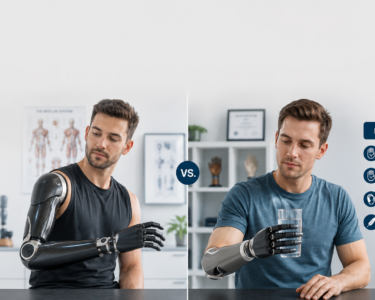
Upper limb prosthetics help children perform tasks involving the hands and arms. These devices can assist with activities such as eating, writing, dressing, and playing.
Some prosthetic hands are designed for basic functionality, while others incorporate advanced technologies that allow for more precise movement and control.
As children grow and their abilities develop, their prosthetic devices can be upgraded to match their changing needs.
Lower Limb Prosthetics
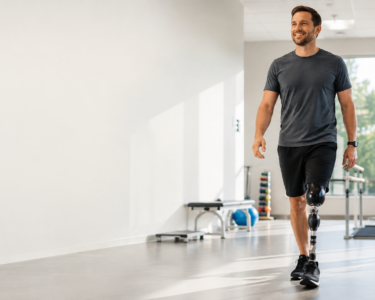
Lower limb prosthetics support standing, walking, running, and participation in sports and recreational activities.
Modern lower limb prosthetics are designed to provide stability, comfort, and mobility while encouraging healthy movement patterns.
Many children quickly adapt to these devices and are able to participate in school activities, sports, and outdoor play with confidence.
The Importance of Customization
No two children are exactly alike, and neither are their prosthetic needs.
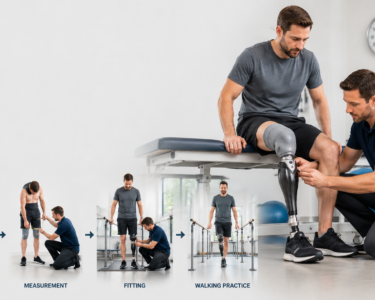
A successful pediatric prosthetic solution begins with a comprehensive assessment by an experienced prosthetist. Factors such as age, body size, activity level, and lifestyle all influence the design of the device.
Customization is particularly important because children grow rapidly. Regular evaluations and adjustments help ensure that the prosthetic continues to fit comfortably and function effectively.
An improperly fitted prosthetic can affect comfort, mobility, and confidence, making ongoing care essential.
Helping Children Adapt to a Prosthetic Limb
Adjusting to a prosthetic limb is a journey that involves both physical and emotional adaptation.
For some children, adaptation occurs quickly. Others may need additional encouragement and support as they learn new skills.
Parents play a vital role during this process. Positive reinforcement, patience, and celebrating small achievements can help children develop confidence and resilience.
Rather than focusing on limitations, it is beneficial to emphasize what the child can accomplish. Whether it’s taking their first steps with a prosthetic leg or successfully using a prosthetic hand during school activities, every milestone deserves recognition.
The Role of Rehabilitation
Rehabilitation is an essential part of pediatric prosthetic care.
Therapists work closely with children to help them develop the skills needed to use their prosthetic effectively. Sessions are often designed to be engaging and age-appropriate, incorporating games and activities that make learning enjoyable.
The focus may include improving balance, coordination, strength, and functional abilities. Over time, these skills help children gain greater independence and confidence.
Rehabilitation also provides parents with valuable guidance on how to support their child’s progress at home.
Supporting Emotional Well-Being
Physical adaptation is only one aspect of the journey. Emotional well-being is equally important.
Children may occasionally feel different from their peers or become frustrated when learning new skills. Open communication and a supportive environment can make a significant difference.
Encouraging participation in social activities, sports, and hobbies helps children build self-confidence and develop a positive self-image.
Many families also find comfort in connecting with support groups and other parents who have shared similar experiences.
School, Sports, and Everyday Activities
One concern many parents have is whether a prosthetic limb will affect their child’s ability to participate in normal childhood activities.
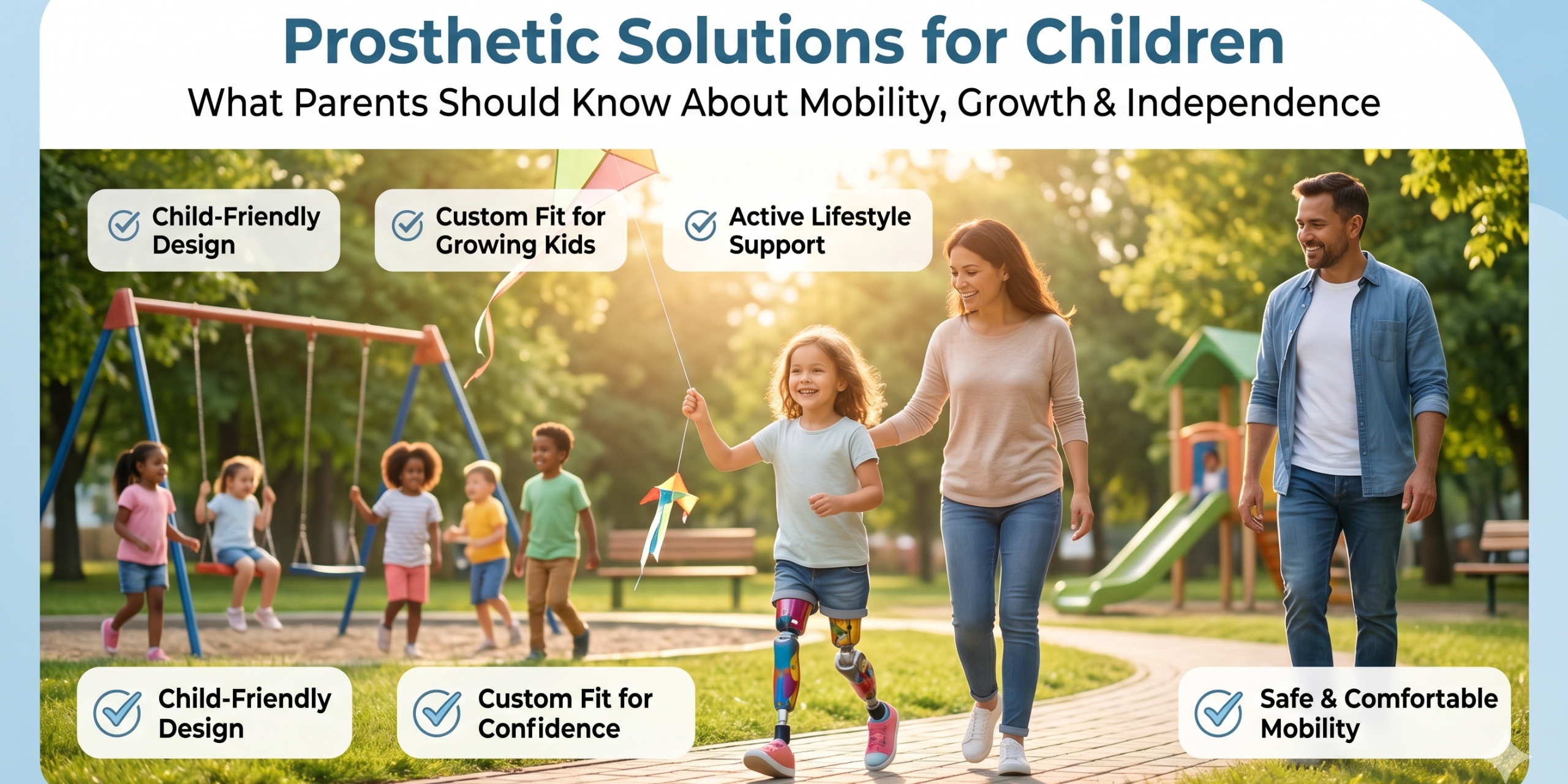
In most cases, children with prosthetic limbs attend school, play sports, and enjoy hobbies just like their peers.
Advancements in prosthetic technology have created opportunities for children to participate in activities such as soccer, swimming, cycling, dancing, and even competitive athletics.
Teachers, coaches, and caregivers can often provide simple accommodations when needed, helping children feel included and supported.
The goal is to empower children to explore their interests and develop their talents without unnecessary restrictions.
How Prosthetic Needs Change as Children Grow
A child’s prosthetic needs will naturally evolve over time.
As growth occurs, prosthetic devices may require adjustments, repairs, or replacement. Activity levels may also change as children develop new interests and participate in different activities.
Regular follow-up appointments allow healthcare professionals to monitor progress and recommend updates when necessary.
Ongoing care ensures that the prosthetic continues to support the child’s mobility, comfort, and development throughout every stage of growth.
Looking Toward the Future
The future of pediatric prosthetics is incredibly promising. Innovations such as lightweight materials, 3D printing, myoelectric technology, and advanced design techniques continue to improve functionality and comfort.
These advancements are helping children achieve greater independence and opening doors to opportunities that were once unimaginable.
With the right prosthetic solution, professional guidance, and family support, children can build confidence, pursue their goals, and enjoy active, fulfilling lives.
Helping Your Child Thrive with the Right Prosthetic Support
Choosing a prosthetic solution for your child is an important decision, but it does not have to be faced alone. Modern pediatric prosthetics provide children with the tools they need to explore the world, develop new skills, and participate fully in everyday life.
At PROACTIVE Technical Orthopaedics, we understand the unique needs of growing children. As the best prosthetics manufacturer in India, we provide customized pediatric prosthetic solutions designed to support mobility, comfort, and confidence at every stage of development.
Our team works closely with children and their families to create personalized solutions that help young users thrive both today and in the future. Contact PROACTIVE Technical Orthopaedics to learn how we can support your child’s journey toward greater independence and possibility.