

A Complete Guide to Better Walking, Independence, and Quality of Life
Losing a limb can be a life-changing experience, but it does not mean losing independence or mobility. With modern prosthetic technology and a well-planned rehabilitation program, many individuals can return to work, sports, daily activities, and an active lifestyle. Rehabilitation is the bridge that connects a prosthetic device to successful real-world function.
Many people believe that receiving a prosthetic limb is the final step after amputation. In reality, it is only the beginning of the recovery journey. Physical rehabilitation helps prosthetic users learn how to walk, maintain balance, improve strength, and regain confidence.
At Proactive Technical Orthopaedics, we believe that the best outcomes are achieved when advanced prosthetic solutions are combined with comprehensive rehabilitation and patient education.
What is Prosthetic Rehabilitation?
Prosthetic rehabilitation is a structured process that helps individuals adapt to using an artificial limb. It involves a team approach that may include:
- Prosthetists
- Physiotherapists
- Rehabilitation physicians
- Occupational therapists
- Orthopaedic specialists
- Family members and caregivers
The primary goal is to help the patient achieve maximum mobility, independence, and comfort while using their prosthesis.
Why is Rehabilitation Important After Amputation?
A prosthetic limb cannot function effectively without proper training. Rehabilitation teaches the body and brain how to work together with the new limb.
Key Benefits of Rehabilitation
1. Improves Walking Ability
Walking with a prosthetic limb requires learning new movement patterns. Rehabilitation helps patients:
- Develop proper gait mechanics
- Improve step length and symmetry
- Reduce limping
- Walk safely on different surfaces
Proper gait training also reduces excessive stress on the sound limb and lower back.
2. Builds Muscle Strength
After an amputation, muscles may become weak due to reduced activity. Rehabilitation programs include exercises that strengthen:
- Core muscles
- Hip muscles
- Back muscles
- Remaining limb muscles
- Upper body muscles
Strong muscles improve prosthetic control and make daily activities easier.
3. Enhances Balance and Coordination
Balance is one of the biggest challenges for new prosthetic users. Therapy sessions focus on:
- Standing balance
- Weight shifting
- Single-leg support
- Stair climbing
- Uneven ground walking
Improved coordination helps prevent falls and injuries.
4. Reduces Pain and Discomfort
Many prosthetic users experience:
- Phantom limb pain
- Residual limb pain
- Socket discomfort
- Back pain
- Joint pain
A rehabilitation program helps identify the causes of discomfort and provides strategies to reduce pain through exercises, stretching, and proper prosthetic alignment.
Stages of Prosthetic Rehabilitation
Stage 1: Pre-Prosthetic Rehabilitation
This phase begins soon after surgery and includes:
- Wound healing
- Swelling control
- Residual limb shaping
- Range of motion exercises
- Muscle strengthening
- Patient education
Preparing the residual limb is essential for a successful prosthetic fitting.
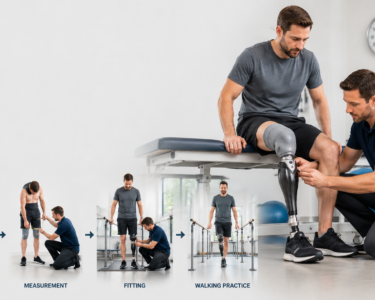
Stage 2: Prosthetic Fitting
A well-fitted prosthesis is critical for mobility.
During this stage, the prosthetist ensures:
- Proper socket fit
- Comfortable suspension system
- Correct alignment
- Functional component selection
Even the most advanced prosthetic limb cannot perform well if the fit is poor.
Stage 3: Gait Training
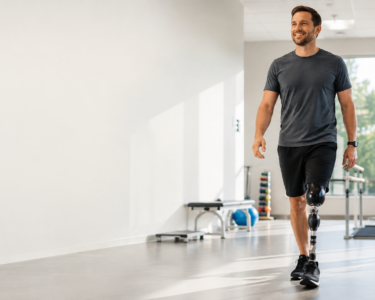
Gait training helps patients learn how to walk naturally with the prosthesis.
Therapists teach:
- Proper posture
- Weight transfer
- Heel-to-toe walking
- Turning safely
- Walking on ramps and stairs
This stage improves confidence and functional mobility.
Stage 4: Advanced Functional Training
Once basic walking skills are achieved, rehabilitation focuses on:
- Running
- Sports activities
- Workplace tasks
- Community mobility
- Recreational activities
The goal is to help patients return to their preferred lifestyle.
The Role of Physical Therapy in Prosthetic Success
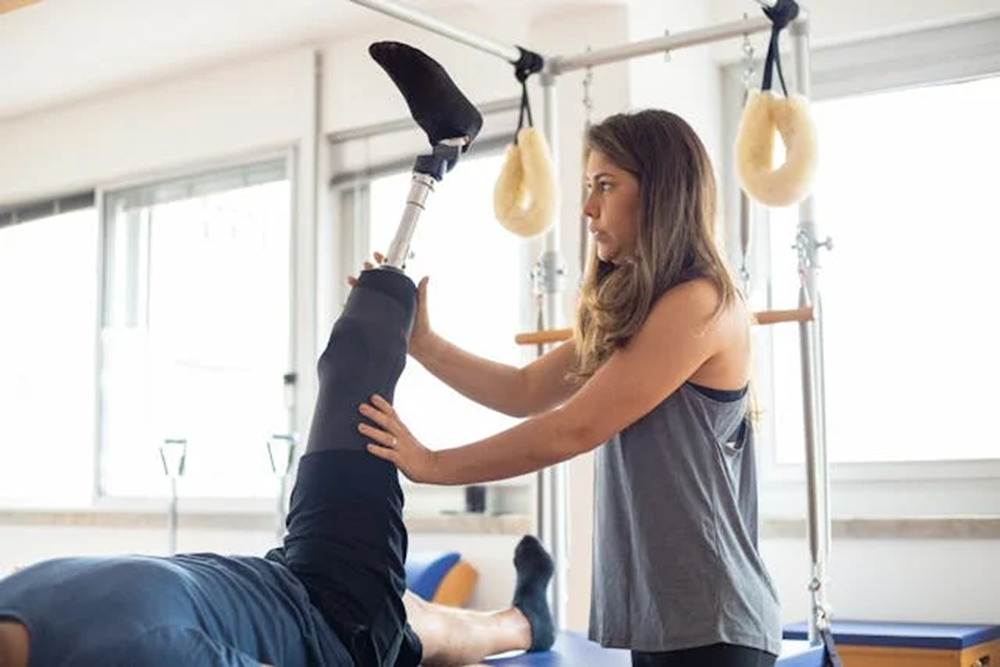
Physical therapy is a key part of successful prosthetic rehabilitation.
A physical therapist designs individualized exercise programs that improve:
Flexibility
Stretching prevents muscle tightness and joint contractures.
Endurance
Cardiovascular exercises improve stamina for longer walking distances.
Strength
Strength training supports better prosthetic control.
Functional Skills
Patients practice activities such as:
- Sitting and standing
- Carrying objects
- Climbing stairs
- Getting in and out of a vehicle
Psychological Benefits of Rehabilitation
Recovery is not only physical but also emotional.
Many amputees experience:
- Anxiety
- Fear of falling
- Loss of confidence
- Depression
- Social isolation
Successful rehabilitation helps patients:
- Build self-confidence
- Improve mental well-being
- Increase social participation
- Return to work and hobbies
Support from rehabilitation professionals and family members plays a significant role in emotional recovery.
Common Challenges Faced by Prosthetic Users
Socket Fit Issues
A poorly fitting socket can cause:
- Skin irritation
- Pressure sores
- Pain
- Difficulty walking
Regular follow-up appointments help maintain a comfortable fit.
Muscle Weakness
Weak muscles reduce prosthetic stability and increase energy expenditure.
Balance Problems
Balance training reduces the risk of falls.
Phantom Limb Pain
Therapeutic exercises and rehabilitation techniques may help manage symptoms.
Fear of Mobility
Many first-time users worry about walking independently. Gradual rehabilitation helps overcome this fear.
Modern Rehabilitation Techniques
Technology has significantly improved prosthetic rehabilitation.
Mirror Therapy
Often used to reduce phantom limb pain.
Virtual Reality Training
Helps improve coordination and balance.
Computerized Gait Analysis
Evaluates walking patterns to optimize prosthetic alignment.
Functional Strength Training
Focuses on movements used in daily life.
Task-Oriented Rehabilitation
Patients practice real-world activities to improve independence.
Tips for Improving Mobility with a Prosthetic Limb
Wear Your Prosthesis Regularly
Consistent use helps the body adapt more quickly.
Follow Your Exercise Program
Daily exercises maintain strength and flexibility.
Attend Follow-Up Visits
Regular prosthetic adjustments improve comfort and performance.
Maintain a Healthy Weight
Weight changes can affect socket fit.
Inspect Your Skin Daily
Check for redness, blisters, or pressure areas.
Stay Physically Active
Walking, swimming, cycling, and low-impact exercises improve overall mobility.
The Importance of Team-Based Rehabilitation
The best outcomes occur when healthcare professionals work together.
A multidisciplinary team can provide:
- Customized prosthetic solutions
- Physical rehabilitation
- Patient education
- Mobility training
- Long-term follow-up care
This collaborative approach helps maximize functional independence.
How Proactive Technical Orthopaedics Supports Prosthetic Rehabilitation
At Proactive Technical Orthopaedics, we understand that every patient has unique goals and challenges. Our approach combines advanced prosthetic technology with personalized rehabilitation guidance to help individuals regain mobility and confidence.
We focus on:
- Patient-centered prosthetic care
- Comfortable and functional prosthetic fitting
- Mobility improvement strategies
- Long-term prosthetic support
- Education for patients and families
Our objective is to help every individual achieve the highest possible level of independence and quality of life.
Final Thoughts
Rehabilitation is one of the most important factors in the success of a prosthetic limb. It transforms a medical device into a functional part of everyday life by improving strength, balance, coordination, and confidence.
With proper rehabilitation, professional care from a prosthetics manufacturer in India, and ongoing support, prosthetic users can regain mobility, return to their daily routines, and enjoy a more active and fulfilling life.
The journey after amputation may be challenging, but with the right rehabilitation program and expert guidance, greater independence and improved quality of life are achievable goals.