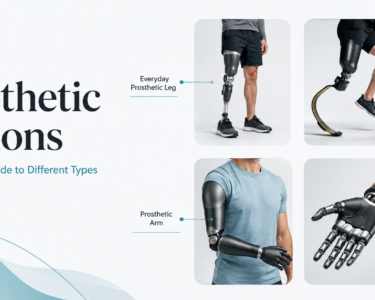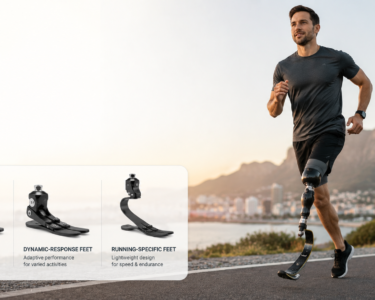


Choosing the right prosthetic knee joint is one of the most important decisions in lower-limb rehabilitation. A well-selected prosthetic knee improves walking efficiency, balance, confidence, and overall quality of life. Modern prosthetic technology offers several knee joint options, among which hydraulic and pneumatic prosthetic knee joints are widely used for active individuals.
Although both systems are designed to provide controlled knee movement during walking, they operate differently and are recommended for different patient needs and activity levels.
At Proactive Technical Orthopaedics, our prosthetists carefully evaluate each patient’s functional level, lifestyle, body weight, and rehabilitation goals before recommending the most suitable prosthetic knee. This guide explains the differences between hydraulic and pneumatic knee joints to help patients and caregivers make informed decisions.
What Is a Prosthetic Knee Joint?
A prosthetic knee joint is the mechanical component of an above-knee (transfemoral) prosthesis that replaces the function of the natural knee. It allows the user to bend and straighten the artificial limb while walking, sitting, climbing stairs, and performing daily activities.
Modern prosthetic knees are designed to provide:
- Stability during standing
- Controlled knee flexion during walking
- Smooth swing phase movement
- Improved safety and balance
- Better walking efficiency
Among advanced mechanical knees, hydraulic and pneumatic systems are the most common.
What Is a Hydraulic Prosthetic Knee Joint?
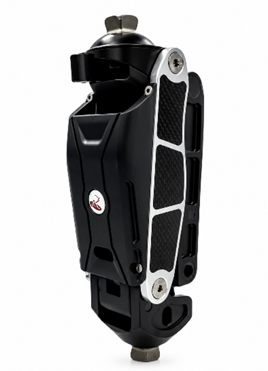
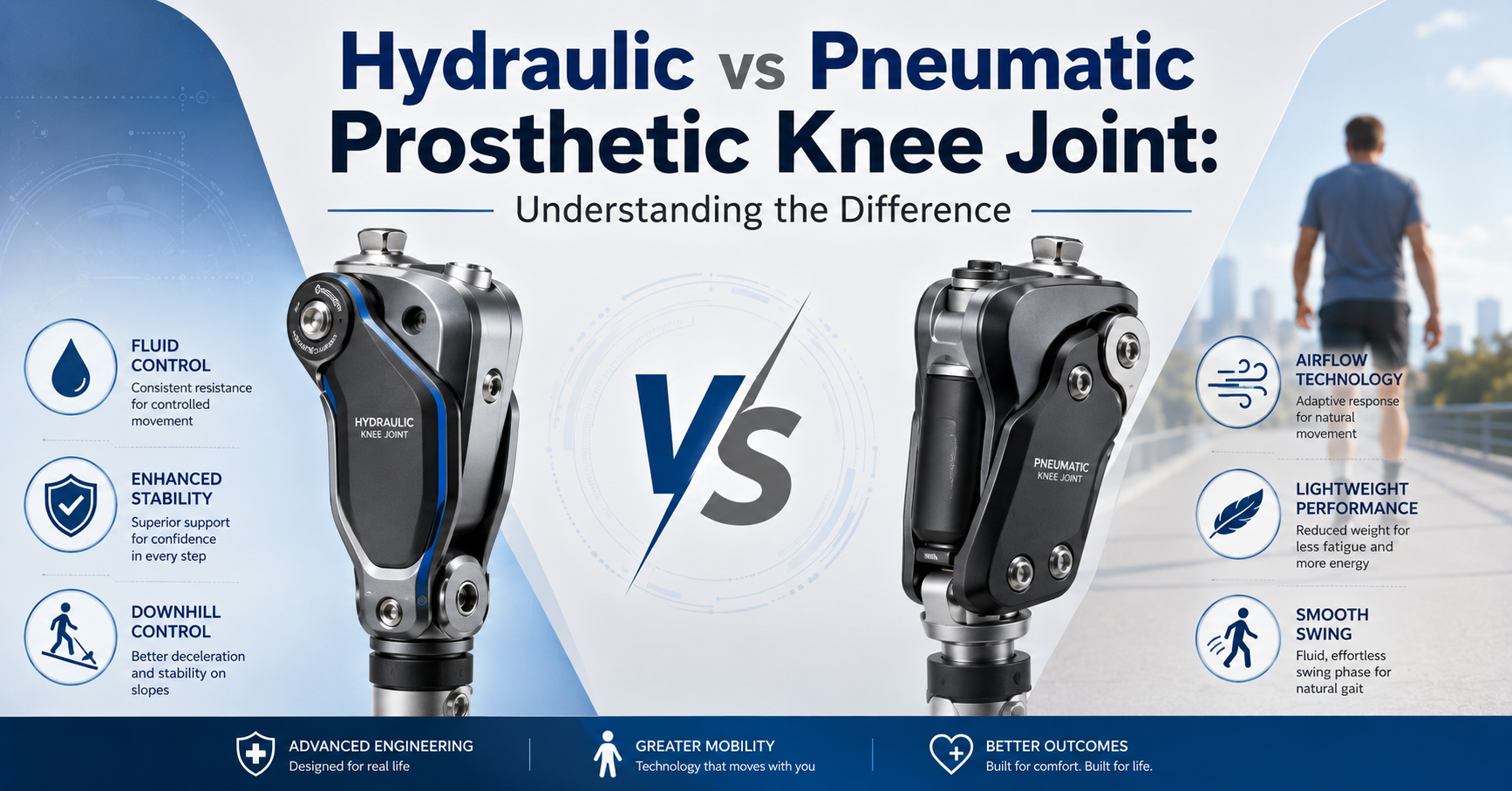
A hydraulic prosthetic knee uses hydraulic fluid (oil) inside a sealed cylinder to control the speed and resistance of knee movement. As the knee bends and straightens, the fluid flows through specially designed valves, creating adjustable resistance.
This controlled resistance allows the knee to adapt naturally to different walking speeds and terrains.
Key Features
- Uses hydraulic fluid
- Smooth and controlled movement
- Adapts to slow, medium, and fast walking
- Suitable for uneven surfaces
- Better cadence variation
What Is a Pneumatic Prosthetic Knee Joint?
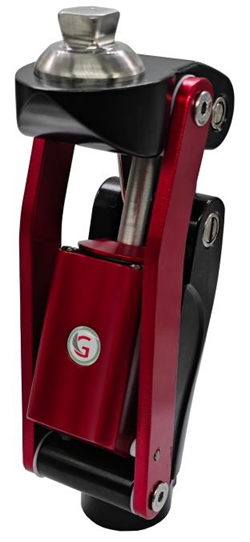
A pneumatic prosthetic knee uses compressed air instead of hydraulic fluid. Air inside the cylinder creates resistance during knee movement, helping control the swing phase of gait.
Because air compresses more easily than hydraulic oil, pneumatic knees generally provide lighter resistance and quicker movement.
Key Features
- Uses compressed air
- Lightweight design
- Controls swing phase
- Best suited for moderate walking speeds
- Comfortable for daily community ambulation
Hydraulic vs Pneumatic Prosthetic Knee: Major Differences
| Feature | Hydraulic Knee | Pneumatic Knee |
| Working Medium | Hydraulic oil | Compressed air |
| Movement Control | Highly controlled | Moderately controlled |
| Walking Speed | Excellent for variable speeds | Best for consistent speeds |
| Terrain Adaptability | Excellent on uneven terrain | Better on level surfaces |
| Energy Efficiency | High | Moderate |
| Weight | Slightly heavier | Lighter |
| Shock Absorption | Better | Moderate |
| Cost | Higher | More affordable |
| Durability | Excellent | Good |
| Suitable K-Level | K3–K4 | K2–K3 |
Advantages of Hydraulic Prosthetic Knee Joints
Hydraulic knees are considered one of the best options for active amputees because they closely mimic natural knee movement.
Benefits include:
- Smooth transition between stance and swing phases
- Better control during fast and slow walking
- Improved stability on slopes and ramps
- Easier walking on uneven terrain
- Reduced energy expenditure
- Comfortable stair negotiation
- More natural gait pattern
- Increased confidence during community mobility
These features make hydraulic knees particularly suitable for individuals with higher functional demands.
Advantages of Pneumatic Prosthetic Knee Joints
Pneumatic knees offer several benefits, especially for users who require lightweight prosthetic components.
Benefits include:
- Lightweight construction
- Smooth swing phase
- Comfortable walking on flat surfaces
- Lower maintenance requirements
- Cost-effective compared to hydraulic systems
- Suitable for regular daily activities
Pneumatic knees are often preferred by users who walk at a relatively constant speed and primarily use the prosthesis for community ambulation.
Limitations of Hydraulic Knee Joints
Despite their advantages, hydraulic knees have some limitations:
- Higher initial cost
- Slightly heavier than pneumatic knees
- May require periodic servicing
- More complex internal mechanism
However, the improved function often outweighs these disadvantages for active users.
Limitations of Pneumatic Knee Joints
Pneumatic systems also have certain limitations.
These include:
- Less effective during rapid changes in walking speed
- Reduced resistance compared to hydraulic systems
- Less adaptable on uneven terrain
- Lower stability for high-impact activities
They are generally not the first choice for highly active individuals who frequently encounter varied environments.
Which Patients Benefit from Hydraulic Knees?
Hydraulic prosthetic knees are commonly recommended for:
- Active adults
- Community ambulators
- Individuals walking on uneven terrain
- People climbing stairs frequently
- Outdoor workers
- Recreational walkers
- K3 and K4 functional level users
These individuals benefit from the knee’s ability to adapt to different walking speeds and environmental conditions.
Which Patients Benefit from Pneumatic Knees?
Pneumatic knees are suitable for:
- Moderate activity users
- Community ambulators
- Individuals walking mainly on level ground
- Patients seeking lightweight prostheses
- K2 and selected K3 users
They provide good functional performance while remaining relatively lightweight and economical.
Factors to Consider When Choosing a Prosthetic Knee
Selecting the appropriate prosthetic knee is not based on technology alone. A comprehensive clinical assessment should include:
- Functional K-Level
- Age and overall health
- Body weight
- Residual limb condition
- Muscle strength
- Balance and coordination
- Occupation
- Daily activity level
- Walking environment
- Rehabilitation goals
- Budget
A qualified Prosthetist and Orthotist will assess these factors before recommending the most appropriate knee joint.
The Importance of Rehabilitation
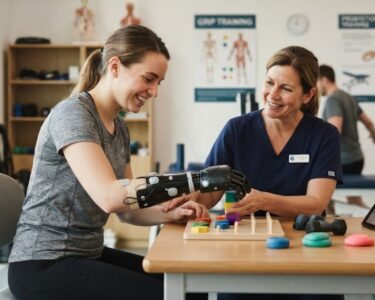
Regardless of whether a hydraulic or pneumatic knee is selected, successful outcomes depend on proper rehabilitation.
A structured rehabilitation program includes:
- Gait training
- Balance exercises
- Strengthening exercises
- Stair training
- Sit-to-stand practice
- Community mobility training
- Prosthetic education
Regular follow-up appointments ensure that the prosthesis continues to function optimally and meets the user’s changing needs.
Why Choose Proactive Technical Orthopaedics?
At Proactive Technical Orthopaedics, we understand that every amputee has unique mobility goals. Our experienced Prosthetists and Orthotists provide personalized prosthetic assessments to recommend the most appropriate knee technology based on clinical evidence and individual functional needs.
Our services include:
- Comprehensive prosthetic evaluation
- Functional K-Level assessment
- Advanced hydraulic and pneumatic prosthetic knee fitting
- Custom prosthetic socket fabrication
- Gait analysis and training
- Prosthetic alignment and adjustments
- Long-term rehabilitation and follow-up care
Our goal is to help every patient achieve safe, comfortable, and independent mobility.
Conclusion
Both hydraulic and pneumatic prosthetic knee joints provide excellent mobility, but they are designed for different functional needs. Hydraulic knees offer superior control, adaptability, and performance for highly active users, while pneumatic knees provide a lightweight and cost-effective solution for individuals with moderate activity levels.
The best prosthetic knee is not necessarily the most advanced—it is the one that matches the user’s activity level, lifestyle, physical condition, and rehabilitation goals. Consulting an experienced Prosthetist and Orthotist, along with choosing the best prosthetics manufacturer in India, is essential to ensure the right choice and maximize mobility, comfort, and long-term success.