

Summary: Discover essential considerations when selecting a prosthetic limb designed for office environments. Learn about comfort, functionality, and aesthetic factors that matter most for professional settings.
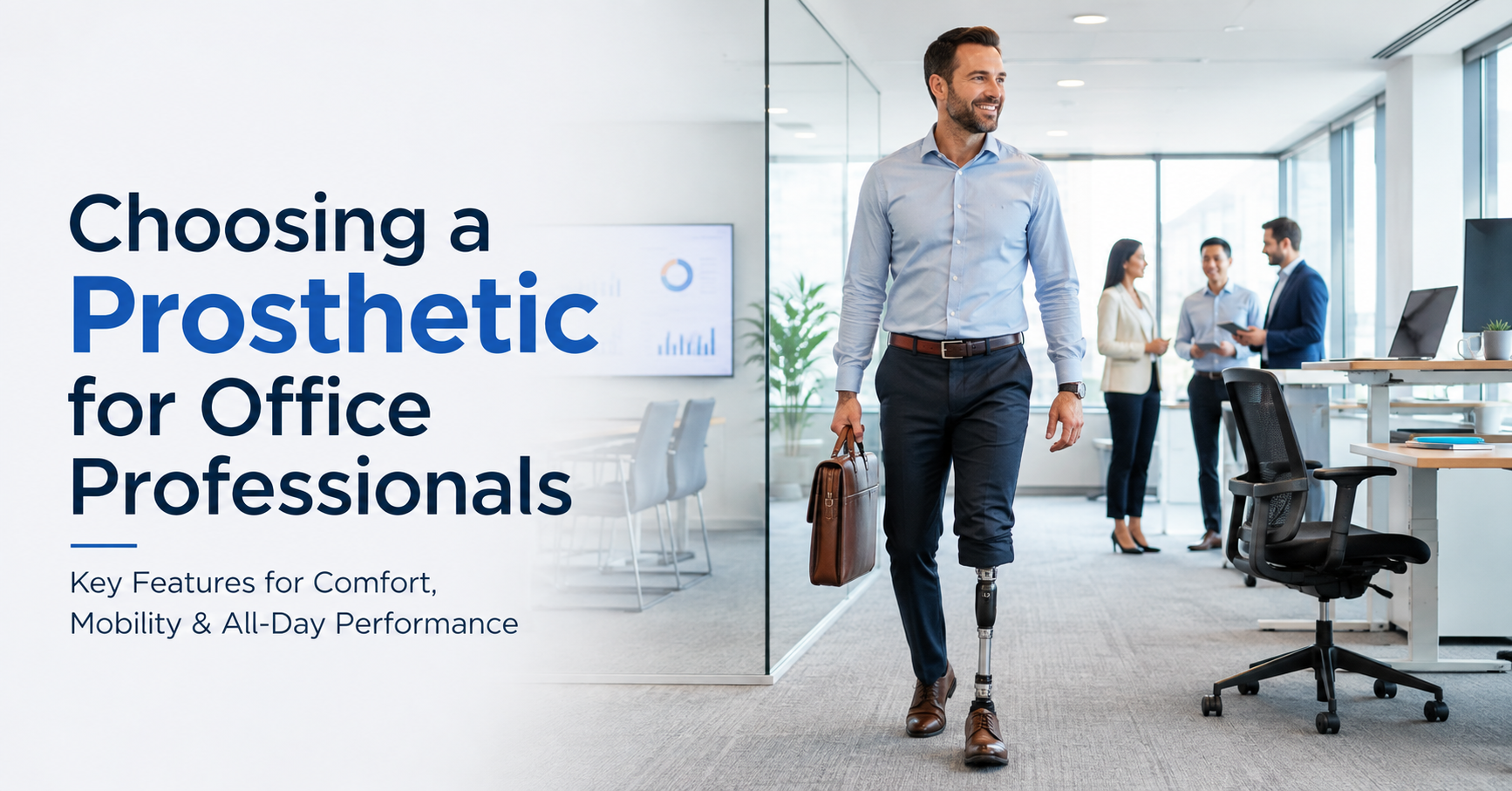
For office professionals who have experienced limb loss, returning to work requires a prosthetic that meets unique demands. Unlike recreational or sports-specific prosthetics, office prosthetics must balance comfort during prolonged sitting, professional appearance, and functional capability for everyday workplace tasks. This comprehensive guide explores the critical factors office professionals should consider when choosing their ideal prosthetic solution.
How Do You Choose the Right Prosthetic for Office Professionals?
Understanding Office-Specific Prosthetic Needs
Office professionals face distinct prosthetic requirements compared to other users. You’ll spend significant time sitting at desks, attending meetings, and interacting with colleagues. Your prosthetic must be comfortable during extended periods of inactivity, aesthetically appropriate for formal settings, and capable of supporting quick transitions between sitting and standing positions. The weight distribution, suspension system, and foot mechanism all play crucial roles in your daily comfort and productivity.
Comfort Factors for Extended Wear
Comfort is paramount when wearing a prosthetic in an office setting. Look for prosthetics with advanced socket designs that distribute pressure evenly across the residual limb. Silicone-based suspension systems provide superior comfort during long hours of wear compared to traditional methods. Consider prosthetics with moisture-wicking liners that prevent skin irritation and allow breathability. The socket’s customization level directly impacts your comfort—a poorly fitting socket can cause pain, reduce circulation, and create pressure sores that may limit your work productivity.
Professional Appearance and Aesthetics
Professional settings often demand a polished appearance. Modern prosthetics offer cosmetic options that blend seamlessly with your natural limb, particularly important when wearing business attire. Microprocessor-controlled feet provide natural gait patterns that won’t draw unwanted attention during office interactions. Consider the color matching available for skin tone replication and the realistic appearance of toenails and foot contours. Many professionals prefer prosthetics that allow easy switching between formal business wear and casual clothing.
Functional Capabilities for Workplace Tasks
Your prosthetic should support the physical demands of your specific role. If your position requires walking between offices, attending standing meetings, or light maneuvering around desks, ensure your prosthetic provides sufficient ankle flexibility and foot stability. Microprocessor knees offer superior stability for varying walking speeds and navigating office terrain. If your work involves driving, select a prosthetic foot specifically designed for vehicle operation with appropriate ankle positioning for pedal access.
Material Considerations and Durability
Office professionals need prosthetics built to withstand daily wear without compromising comfort or appearance. Carbon fiber components offer lightweight strength that reduces fatigue during long work days. High-quality plastic and composite materials maintain their appearance despite regular use. Invest in prosthetics from manufacturers who use medical-grade materials proven to last. Proper maintenance and regular professional servicing extend prosthetic lifespan and ensure optimal performance throughout your workday. For more information on trusted manufacturers, visit our guide on choosing a reliable prosthetic provider in India.
Budget and Insurance Considerations
Quality office prosthetics range significantly in price depending on technology and customization. Advanced microprocessor systems cost more but provide superior stability and natural movement patterns valuable for professional environments. Many insurance plans cover basic prosthetic costs, while additional features may require out-of-pocket investment. Discuss financial options with your prosthetist, including installment plans or employer benefits that might offset costs. Consider viewing prosthetics as a professional investment that directly impacts your work performance and career progression.
Selecting the Right Office Prosthetic
Ready to find your ideal office prosthetic? Connect with PROACTIVE Technical Orthopaedics, recognized as the best prosthetics manufacturer in India, to explore customized solutions tailored to your professional environment and lifestyle needs.
Frequently Asked Questions
How long does an office prosthetic typically last?
A well-maintained office prosthetic usually lasts 3-5 years, depending on usage intensity and material quality. Regular professional servicing extends longevity.
Can I wear a prosthetic all day at the office?
Yes, modern prosthetics are designed for extended wear. Ensure proper socket fit and use moisture-wicking liners to prevent discomfort during long office days.
Will my prosthetic be visible under business clothing?
Modern cosmetic prosthetics blend seamlessly with clothing. Microprocessor feet provide natural gait that minimizes visible differences in your walking pattern.
What if I need to switch between different shoes at work?
Select adjustable prosthetic feet that accommodate varying heel heights, allowing professional flexibility in your footwear choices.
How does sitting for long periods affect my prosthetic?
Quality prosthetics with proper socket design handle prolonged sitting comfortably. Ensure your suspension system maintains security during position changes.
Can I participate in office activities like team sports events?
Yes, many office prosthetics support recreational activities. Discuss specific activities with your prosthetist to ensure appropriate foot selection.
What maintenance do office prosthetics require?
Regular cleaning, checking socket fit, and annual professional servicing keep your prosthetic performing optimally. Avoid prolonged moisture exposure.
How quickly can I return to work after receiving a prosthetic?
Most professionals adapt within 2-4 weeks with proper training. Your prosthetist will develop a gradual return-to-work schedule matching your comfort level.
Are there prosthetics specifically designed for office jobs?
Yes, prosthetics optimized for reduced activity (office work) differ from sports or high-impact prosthetics in design and material choices.
How do I know if my office prosthetic fits properly?
Proper fit means no pain, pressure points, or slipping during normal movement. You should feel stable and comfortable throughout your workday.