

This comprehensive guide introduces you to the world of prosthetics, covering the different types available to patients and the intricate manufacturing process that transforms raw materials into life-changing devices. From understanding your prosthetic options to learning how experts craft each device specifically for your needs, discover how modern prosthetics are reshaping lives.
Losing a limb is life-altering, but prosthetic technology has evolved dramatically over the past decade. Today’s prosthetics offer unprecedented levels of functionality, comfort, and natural movement. Whether you’re considering a prosthetic for the first time or looking to upgrade, understanding your options and how these devices are created is essential. This guide demystifies prosthetics, taking you from the initial casting process all the way through to your perfectly fitted device.
Understanding Prosthetic Options
Types of Lower Limb Prosthetics
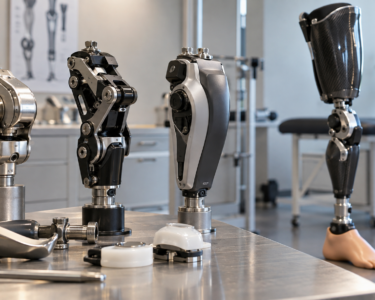
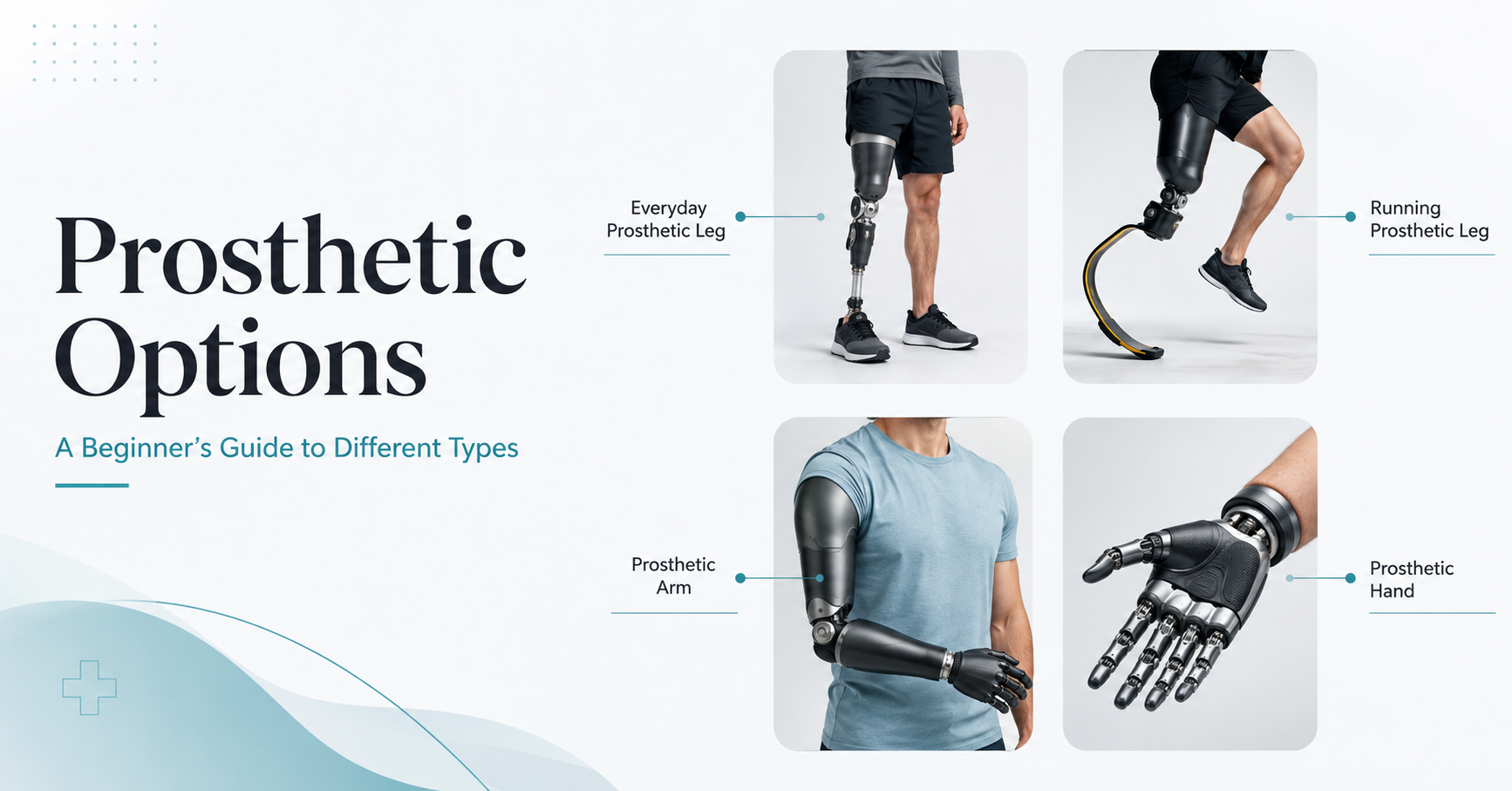
Lower limb prosthetics are designed for amputation below the knee (BK) or above the knee (AK). Below-knee prosthetics are lighter and easier to control, making them ideal for active individuals. They typically include a foot component, socket, and knee joint. Above-knee prosthetics are more complex, requiring advanced knee mechanisms to replicate natural walking patterns. Modern options include microprocessor-controlled knees that adjust in real-time to your walking speed and terrain.
Upper Limb Prosthetics
Arm and hand prosthetics range from passive cosmetic hands to bionic limbs with multiple degrees of freedom. Partial hand prosthetics restore specific finger functionality, while myoelectric prosthetics use muscle signals from your residual limb to control individual fingers or wrist movements. Advanced options include prosthetics controlled by neural interfaces, offering unprecedented precision for daily tasks.
Specialty Prosthetics
Beyond standard prosthetics, specialty options include activity-specific devices for sports, swimming prosthetics, and hybrid prosthetics that combine multiple technologies. Some patients maintain several prosthetics for different activities, from everyday prosthetics to high-performance athletic versions.
How Prosthetics Are Manufactured: A Step-by-Step Process
Step 1: Initial Assessment and Evaluation
The prosthetic journey begins with a comprehensive evaluation by a prosthetist. They assess your residual limb’s shape, skin condition, strength, and mobility. Your lifestyle, activity level, and specific needs are discussed to determine the most suitable prosthetic type. This consultation ensures your prosthetic will be functional and comfortable for your unique situation.
Step 2: Casting and Molding
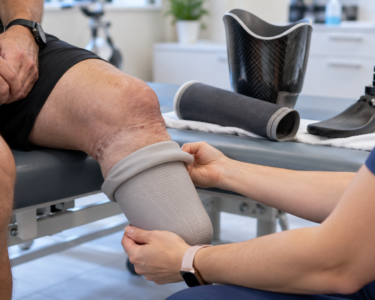
Casting is the foundation of prosthetic manufacturing. Your residual limb is carefully wrapped in plaster bandage or scanned using advanced 3D imaging technology. This creates a precise mold of your limb’s contours. Traditional casting captures every detail, while digital scanning offers speed and the ability to make adjustments without recasting. The mold is then used to create a positive replica.
Step 3: Socket Fabrication
The socket is the crucial interface between your residual limb and the prosthetic. Using the mold, prosthetists carefully shape the socket from thermoplastic materials through thermoforming or additive manufacturing. The socket must provide comfort, stability, and support without causing pressure points or skin irritation. Modern materials are lightweight yet durable, ensuring your prosthetic won’t feel like a burden.
Step 4: Component Selection and Assembly
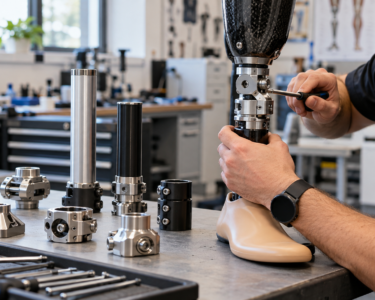
Your prosthetist selects appropriate components—feet, knees, joints, actuators, and mechanical parts—based on your needs and budget. These components are assembled with precision alignment. For advanced prosthetics, electronic components and batteries are carefully integrated. Every connection must be secure and properly calibrated to ensure safe, reliable function.
Step 5: Alignment and Initial Fitting
During the first fitting, your prosthetist fine-tunes the alignment—the angle and position of components relative to your body. Proper alignment is essential for natural gait, comfort, and preventing injury. You’ll walk with assistance, and adjustments are made based on your feedback and the prosthetist’s professional assessment. This iterative process may require several visits.
Step 6: Training and Adjustment
Your prosthetist provides comprehensive training on donning and doffing (putting on and removing) your prosthetic, daily care, maintenance, and safety. You’ll practice walking, climbing stairs, and managing different terrains. Multiple follow-up appointments allow for fine-tuning the socket fit, adjusting components, and addressing any discomfort.
Your Journey Starts Here
Understanding prosthetics and their manufacturing process empowers you to make informed decisions about your care. Modern prosthetics represent years of innovation and engineering excellence, designed to restore mobility and independence. With proper fitting, maintenance, and professional support, your prosthetic can help you reclaim your lifestyle and pursue your goals.
Ready to Get Started?
Connect with Proactive Technical Orthopaedics to explore the best prosthetics manufacturer in India and discover personalized solutions tailored to your needs. Our expert team is ready to guide you through every step of your prosthetic journey.
Frequently Asked Questions
1. What Are Prosthetics And How Do They Work?
Prosthetics are artificial devices designed to replace a missing body part, such as an arm, leg, hand, or foot. They are customized to the user’s anatomy and needs to support movement, balance, function, and everyday activities.
2. What Are The Different Types Of Prosthetics?
Common types include upper-limb prosthetics, lower-limb prosthetics, cosmetic prosthetics, functional prosthetics, and advanced myoelectric or bionic prosthetics. The right type depends on the amputation level, lifestyle, physical condition, and functional goals.
3. How Are Prosthetics Manufactured?
Prosthetic manufacturing generally involves several stages, including assessment, casting or scanning, socket design, component selection, fabrication, assembly, alignment, and fitting. Modern techniques may use digital scanning, CAD design, 3D printing, and advanced materials for greater precision.
4. What Is The Role Of Casting In Prosthetic Manufacturing?
Casting creates a physical or digital representation of the residual limb. This information helps prosthetists design a socket that provides proper support, comfort, and pressure distribution while reducing the risk of excessive friction or discomfort.
5. How Does A Prosthetic Socket Fit?
The socket is designed to securely hold the residual limb while distributing pressure appropriately. During fitting, the prosthetist checks comfort, alignment, movement, suspension, and overall function, then makes adjustments where necessary.
6. What Materials Are Used To Make Prosthetics?
Prosthetics can be manufactured using materials such as carbon fiber, thermoplastics, silicone, titanium, aluminum, and specialized foams. Material selection depends on the prosthetic type, required strength, weight, flexibility, durability, and user requirements.
7. How Long Does It Take To Get A Prosthetic Limb?
The timeline varies depending on the type of prosthesis, manufacturing method, individual healing, and number of fitting adjustments required. A straightforward prosthesis may take several appointments, while more customized or advanced devices can require additional design and fitting time.
8. How Is A Prosthetic Limb Fitted And Aligned?
During fitting, the prosthetist places the device on the residual limb and evaluates its position, comfort, stability, and movement. Alignment is then adjusted to improve walking mechanics, balance, posture, or upper-limb function.
9. How Do You Know If A Prosthetic Needs Adjustment?
Persistent pain, skin irritation, pressure points, looseness, difficulty controlling the prosthesis, or changes in walking or movement can indicate that an adjustment is needed. Regular follow-up with a qualified prosthetist can help maintain comfort and proper function.
10. How Can Modern Technology Improve Prosthetic Manufacturing?
Digital scanning, computer-aided design, 3D printing, advanced materials, and electronically controlled components can improve prosthetic customization and precision. These technologies can also support better socket design, lighter devices, and more personalized functional solutions.