


Summary: Choosing the right prosthetic leg as an active adult can be life-changing. This comprehensive buying guide covers everything you need to know — from types of prosthetics and activity levels to materials, costs, and what to look for in a trusted provider.
Living an active life after limb loss is not just possible it is the goal. Whether you enjoy cycling, hiking, swimming, or simply keeping up with a busy day at work, the right prosthetic leg can make all the difference. But with so many options available, how do you find the one that truly fits your lifestyle, your body, and your ambitions?
This buying guide is designed to help active adults navigate the world of prosthetic legs with confidence. From understanding different prosthetic categories to evaluating components, costs, and clinics, you will find everything you need to make an informed decision.
Understanding Prosthetic Leg Categories
1. Transtibial (Below-Knee) Prosthetics
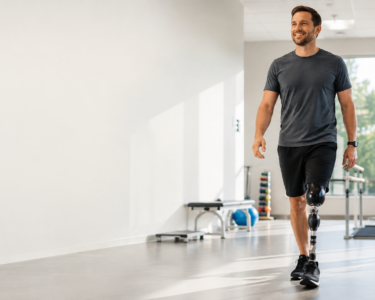
Transtibial prosthetics replace the foot and lower leg. They are among the most common types and often allow for a high degree of mobility. For active users, dynamic-response carbon fiber feet offer energy return that closely mimics natural walking or running.
2. Transfemoral (Above-Knee) Prosthetics
Above-knee prosthetics include a prosthetic knee joint and are more complex. Microprocessor-controlled knees have transformed mobility for transfemoral amputees, automatically adjusting to walking speed, terrain, and activity type.
3. Activity-Level Classifications
Prosthetists and insurers often classify patients into K-levels (K0 to K4) to determine the appropriate prosthetic:
• K1: Limited household ambulation
• K2: Limited community ambulation
• K3: Community ambulators — most active adults fall here
• K4: High activity level, including athletes and heavy users
Most active adults qualify for K3 or K4 prosthetics, which offer superior performance and durability.
Key Features to Look For
Material and Weight
Carbon fiber is the gold standard for active prosthetic users. It is lightweight, strong, and responsive. Titanium frames offer similar strength with slightly more weight but exceptional longevity. Avoid heavy materials that will slow you down or cause fatigue.
Socket Fit
The socket is arguably the most important part of a prosthetic leg. It is the interface between your residual limb and the prosthetic device. A poorly fitting socket causes pain, skin breakdown, and reduced function. A well-fitted socket should feel secure without cutting off circulation or causing pressure sores.
Suspension System
How the prosthetic stays on matters enormously for active users. Common options include pin-lock systems, suction sockets, and elevated vacuum suspension. For vigorous activity, elevated vacuum suspension tends to provide the most stable and secure fit.
Prosthetic Feet and Knees
Dynamic-response feet store and release energy with each step, giving you a more natural and powerful stride. Microprocessor knees analyze your gait in real time and adjust resistance accordingly — ideal for those who walk on varied terrain or at different speeds.
How Much Does a Prosthetic Leg Cost?
Prosthetic legs vary widely in cost depending on the technology, materials, and complexity:
• Basic prosthetics: Starting from a few thousand dollars
• Activity-specific prosthetics: Mid-range investment for dynamic function
• Microprocessor-controlled knees: Premium investment for advanced mobility
Many costs may be covered in part by insurance, government schemes, or rehabilitation funds. Always consult your prosthetist and insurer to understand your coverage.
What Questions Should You Ask Your Prosthetist?
Before committing to a prosthetic leg, ask the following:
• What activity level am I classified as, and what options does that open up?
• Can I trial the prosthetic before committing?
• What is the warranty and repair process?
• How often will the socket need to be adjusted or replaced?
• Does the clinic offer ongoing rehabilitation support?
Making the Right Choice for Your Active Lifestyle
Choosing a prosthetic leg is a deeply personal process. What works brilliantly for one person may not suit another. The best approach is to work closely with an experienced prosthetist who takes the time to understand your goals, your daily activities, and your long-term aspirations.
Look for clinics with certified prosthetists who stay current with the latest technology and have experience fitting active adults. Do not settle for a one-size-fits-all approach — your prosthetic should be customized to you.
Partner with PROACTIVE Technical Orthopaedics Pvt. Ltd. for Expert Prosthetic Care
At PROACTIVE Technical Orthopaedics Pvt. Ltd., we specialize in helping active adults find prosthetic solutions that match their energy, ambition, and lifestyle. Our certified prosthetists use the latest technology to craft custom-fit devices that do not just restore function — they empower movement.
Contact PROACTIVE Technical Orthopaedics Pvt. Ltd. today and take the first step toward reclaiming your active life.
Frequently Asked Questions
1. How long does it take to get a prosthetic leg?
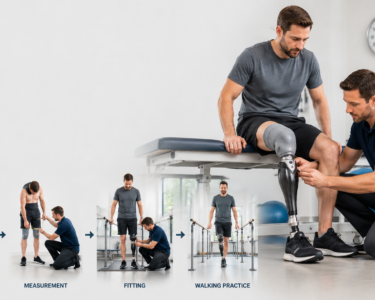
The timeline varies by individual, but from initial evaluation to fitting can take anywhere from a few weeks to a couple of months, depending on healing, assessment, and manufacturing time.
2. Can I run or play sports with a prosthetic leg?
Yes. Sport-specific prosthetics and high-activity (K4) devices are designed for running, cycling, swimming, and other vigorous activities. Your prosthetist will help identify the right device for your sport.
3. Will insurance cover the cost of my prosthetic?
Coverage varies by provider and policy. Many insurance plans cover medically necessary prosthetics. A certified clinic can help you navigate pre-authorization and documentation.
4. How often will I need a new prosthetic?
Most prosthetic legs last three to five years with proper care, though components like sockets may need replacement or adjustment more frequently as your residual limb changes shape.
5. Is it painful to use a prosthetic leg?
Initial fitting may cause some discomfort as your body adjusts, but a well-fitted prosthetic should not cause significant pain. Any persistent discomfort warrants a prompt review with your prosthetist.