

Breaking Barriers Through Strength, Determination, and Innovation
Sports have always been a symbol of resilience, discipline, and the human spirit. For athletes with limb loss or limb differences, the journey to success often involves overcoming physical, emotional, and social challenges. Thanks to advancements in prosthetic technology and unwavering determination, many athletes have not only returned to sports but have also excelled on national and international stages.
Today, prosthetic limbs are no longer viewed as limitations—they are tools that empower individuals to regain mobility, confidence, and independence. Across the world, inspiring athletes continue to redefine what is possible, proving that passion and perseverance are stronger than any obstacle.
The Evolution of Sports Prosthetics
Modern prosthetic technology has transformed the landscape of adaptive sports. Unlike traditional prosthetic limbs designed primarily for everyday activities, sports prosthetics are engineered to meet the specific demands of athletic performance.
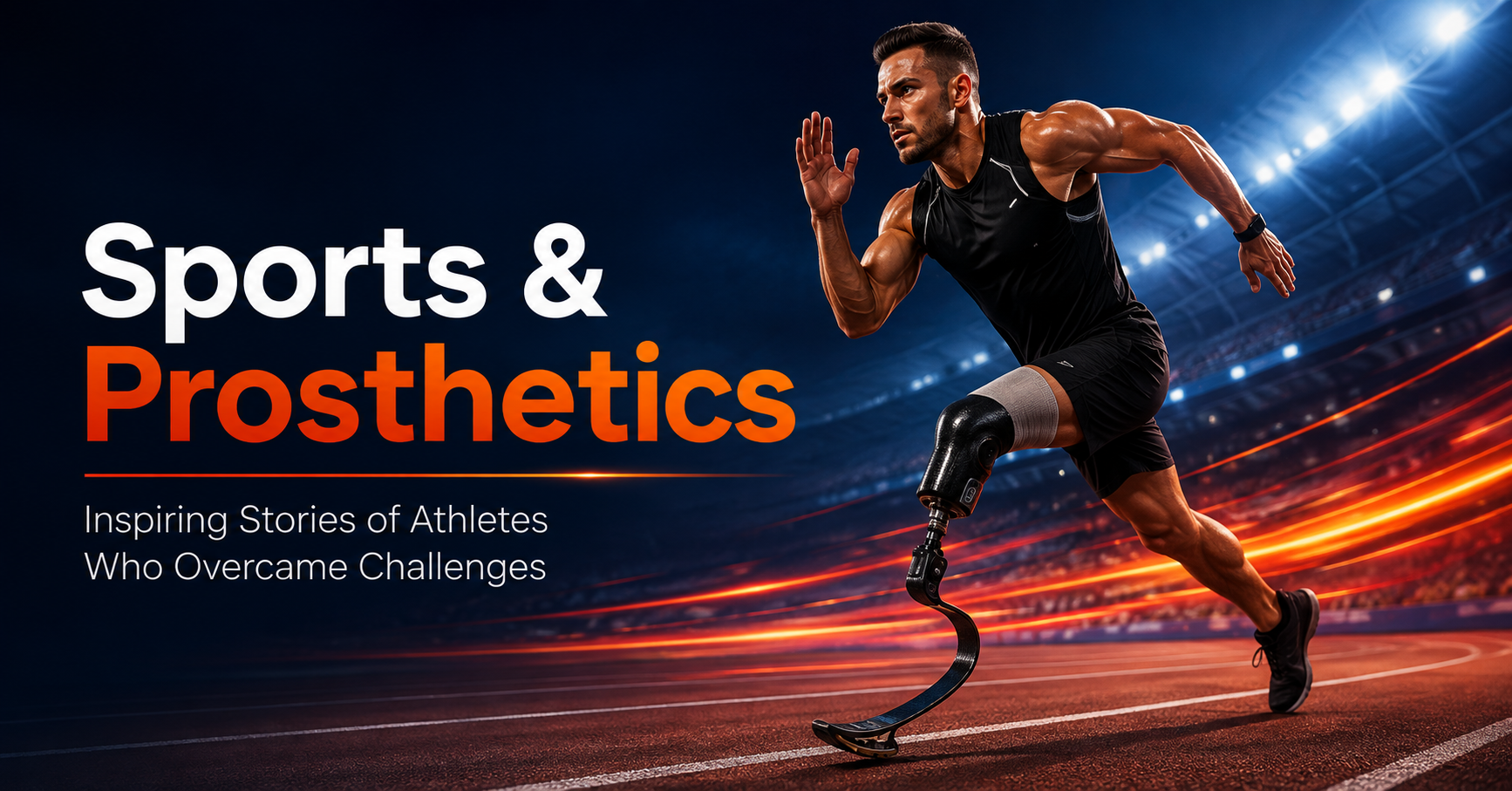
Running blades made from lightweight carbon fiber store and release energy, enabling runners to achieve remarkable speeds. Specialized prosthetic feet provide enhanced stability for hiking, while custom-designed limbs support cycling, swimming, skiing, and even rock climbing.
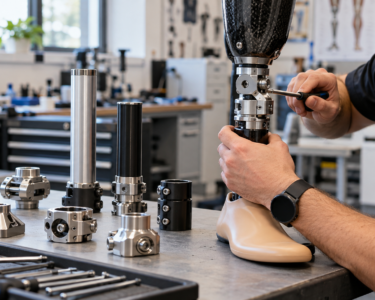
These innovations are carefully tailored to an athlete’s body, sport, and performance goals. Prosthetists work closely with athletes, physical therapists, and coaches to ensure every component offers the best combination of comfort, functionality, and durability.
Challenges Athletes Face After Limb Loss
The journey back to sports is rarely easy. Athletes often experience significant physical and emotional adjustments after limb loss.
Some of the common challenges include:
- Learning to balance and move confidently with a prosthetic limb.
- Building strength and endurance through rehabilitation.
- Managing skin comfort and prosthetic fit during intense activity.
- Overcoming fear, frustration, or loss of confidence.
- Adapting training techniques and equipment.
Recovery requires patience, determination, and a strong support system. Family members, healthcare professionals, prosthetists, coaches, and teammates all play vital roles in helping athletes regain confidence and achieve their goals.
Inspiring Athletes Who Changed the World
1. Aimee Mullins – Redefining Possibilities
Born without fibula bones in both legs, Aimee Mullins underwent bilateral leg amputations as a child. Rather than allowing her condition to limit her ambitions, she became a world-class Paralympic sprinter, long jumper, model, and motivational speaker.
Her achievements demonstrated that prosthetic limbs could be customized for different purposes, inspiring innovation and changing perceptions about disability worldwide.
2. Markus Rehm – Jumping Beyond Expectations
German long jumper Markus Rehm lost his right leg below the knee in a wakeboarding accident at the age of 14. Using a specialized running blade, he returned to athletics and became one of the most successful Paralympic long jumpers in history.
His performances have sparked global discussions about inclusion in competitive sports while showcasing the incredible capabilities of modern prosthetic technology combined with dedicated training.
3. Amy Purdy – Dancing Through Adversity
Amy Purdy lost both legs below the knee following a severe bacterial infection. Instead of giving up on her dreams, she became a Paralympic snowboarder, motivational speaker, entrepreneur, and contestant on a popular dance competition.
She has used multiple prosthetic designs tailored for snowboarding, dancing, and everyday life, proving that individuals can continue pursuing diverse passions after limb loss.
4. Blake Leeper – Running Toward Success
American sprinter Blake Leeper was born without lower legs and has become one of the fastest Paralympic runners in the world. His story highlights years of disciplined training, resilience, and determination to compete at the highest level.
His journey has inspired countless young athletes to believe that disability does not define athletic potential.
The Role of Prosthetists in Athletic Success
Behind every successful adaptive athlete is a team of dedicated professionals. Prosthetists play a critical role in helping athletes perform safely and efficiently.
Their responsibilities include:
- Assessing the athlete’s physical condition and sporting goals.
- Designing customized sports prostheses.
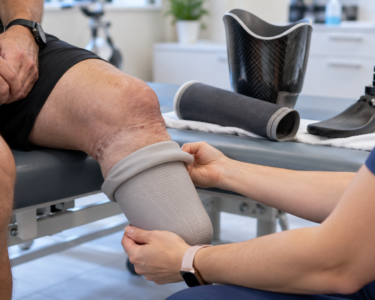
- Ensuring proper alignment and fit.
- Making adjustments as performance improves.
- Monitoring comfort and preventing injuries.
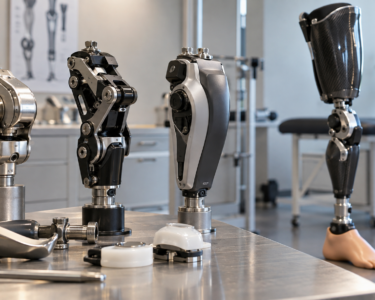
Because every sport requires different movements, athletes may own multiple prosthetic limbs designed for specific activities such as running, cycling, swimming, or weightlifting.
Rehabilitation: The Foundation of Success
Before returning to competition, athletes undergo comprehensive rehabilitation programs that focus on rebuilding strength, flexibility, coordination, and confidence.
Rehabilitation typically includes:
- Balance and gait training
- Muscle strengthening exercises
- Cardiovascular conditioning
- Prosthetic adaptation training
- Sport-specific skill development
- Mental health support and confidence building
Physical therapists and prosthetists work together to ensure athletes develop safe movement patterns while minimizing the risk of injury.
Adaptive Sports Are Growing Worldwide
The popularity of adaptive sports has increased dramatically over the past decade. Organizations around the world now provide opportunities for people with limb differences to participate in recreational and competitive sports.
Athletes can participate in:
- Track and field
- Swimming
- Cycling
- Wheelchair basketball
- Sitting volleyball
- Tennis
- Skiing
- Snowboarding
- Rock climbing
- Triathlon
- Rowing
- Archery
International competitions such as the Paralympic Games continue to inspire millions by showcasing extraordinary athletic talent and determination.
The Mental Strength Behind Every Victory
Physical recovery is only one part of an athlete’s journey. Mental resilience is equally important.
Many athletes describe feelings of uncertainty following limb loss. Returning to sports helps rebuild confidence, restore independence, and create a renewed sense of purpose.
Setting achievable goals, celebrating small milestones, and maintaining a positive support network are essential for long-term success.
Sports also foster teamwork, discipline, and social connections, helping individuals regain confidence both on and off the field.
How Technology Is Shaping the Future?
The future of sports prosthetics is incredibly promising. Researchers and engineers continue to develop innovative technologies that enhance comfort, performance, and accessibility.
Emerging advancements include:
- AI-assisted prosthetic control systems
- Smart sensors for gait analysis
- Lightweight composite materials
- 3D-printed customized sockets
- Improved shock absorption technology
- Enhanced energy-return prosthetic feet
These innovations will enable athletes to train more effectively while improving safety and comfort.
Inspiring the Next Generation
The achievements of adaptive athletes send a powerful message: limitations do not define potential. Their stories encourage children and adults living with limb loss to stay active, pursue their dreams, and embrace new opportunities.
Communities, schools, healthcare providers, and sports organizations all play an important role in promoting inclusive environments where everyone has the chance to participate.
Empowering Athletes to Reach Their Full Potential
Sports have the power to transform lives, and for athletes with prosthetic limbs, they represent much more than competition. They symbolize courage, resilience, determination, and hope. With advancements in prosthetic technology, expert rehabilitation, and unwavering perseverance, athletes around the world continue to challenge stereotypes and redefine what is possible.
Their inspiring journeys remind us that physical limitations do not define potential. As adaptive sports become more accessible and prosthetic technology continues to evolve, more individuals can pursue their passions, achieve their goals, and inspire future generations. Working with an experienced best prosthetics manufacturer in India can also help athletes access customized prosthetic solutions designed to support mobility, comfort, and active lifestyles.