
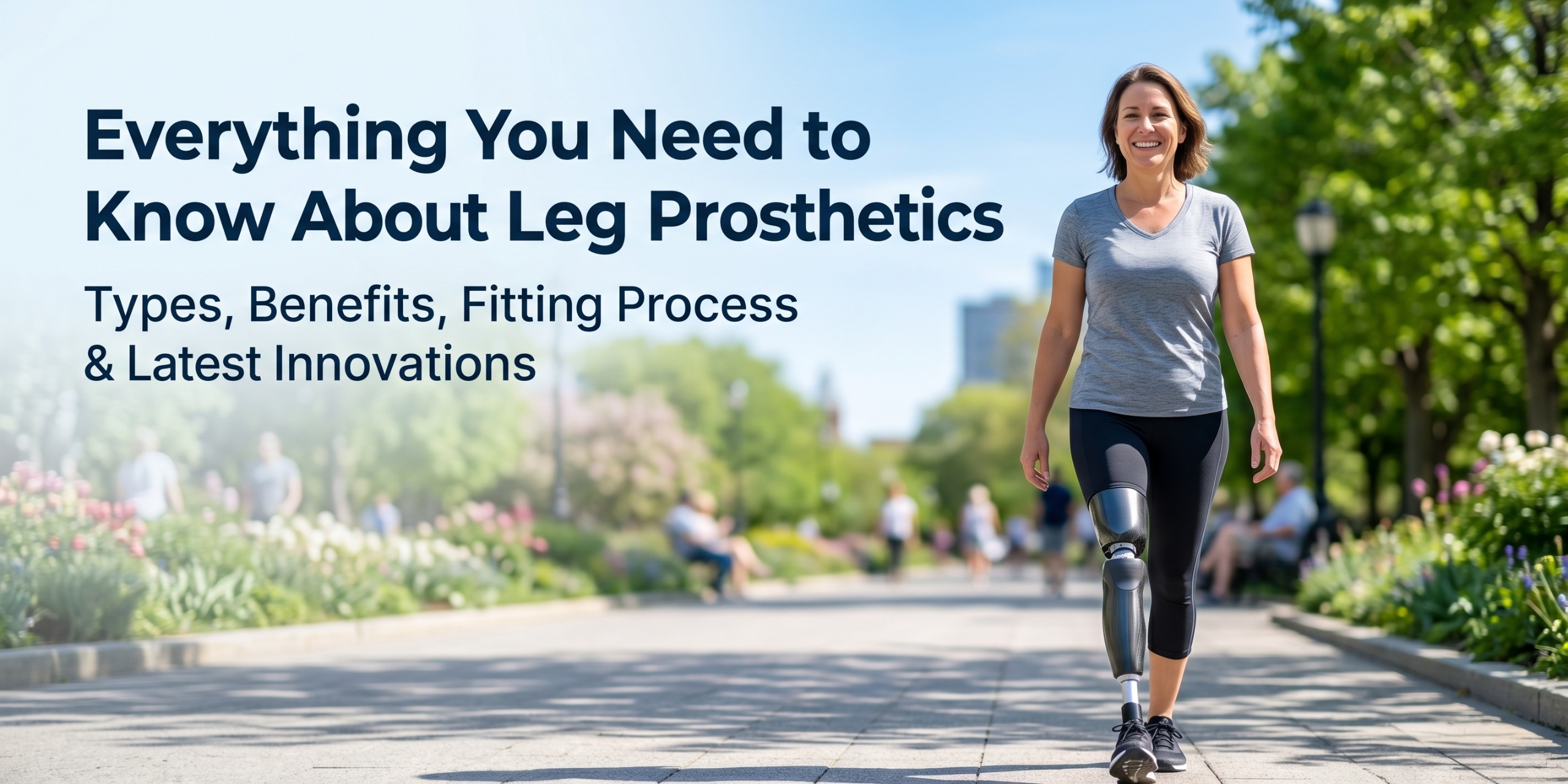

Leg prosthetics have revolutionized mobility for individuals who have experienced limb loss. Whether due to injury, illness, or a congenital condition, modern prosthetic technology helps people regain independence, confidence, and an active lifestyle. Today’s prosthetic legs are more advanced, comfortable, and functional than ever before, allowing users to perform daily activities with greater ease.
In this comprehensive guide, we’ll explore the different types of leg prosthetics, their benefits, the fitting process, rehabilitation, and the latest innovations shaping the future of prosthetic care.
What Are Leg Prosthetics?
Leg prosthetics are artificial devices designed to replace a missing lower limb. These devices help restore mobility, improve balance, and enable users to carry out everyday activities. Prosthetic legs are customized to meet the individual’s physical condition, lifestyle, and mobility goals.
People may require a prosthetic leg due to:
- Traumatic injuries
- Diabetes-related complications
- Vascular diseases
- Cancer
- Congenital limb differences
- Severe infections
The primary objective of a prosthetic leg is to help individuals regain function and improve their quality of life.
Types of Leg Prosthetics
The type of prosthetic leg recommended depends on the level of amputation and the user’s specific needs.
Below-Knee Prosthetics (Transtibial Prosthesis)
A below-knee prosthesis is used when the amputation occurs below the knee joint. Since the natural knee remains intact, users often experience better control and mobility.
Benefits of Below-Knee Prosthetics
- More natural walking movement
- Improved balance and stability
- Lower energy expenditure while walking
- Faster rehabilitation process
- Enhanced mobility for daily activities
Above-Knee Prosthetics (Transfemoral Prosthesis)
An above-knee prosthesis is designed for individuals whose amputation occurs above the knee. These prosthetics include an artificial knee joint to replicate natural movement.
Benefits of Above-Knee Prosthetics
- Increased mobility and independence
- Improved ability to navigate different terrains
- Advanced knee technology for smoother movement
- Better support for active lifestyles
Modern prosthetic knees often feature microprocessor-controlled technology that adapts to the user’s walking speed and environment.
Partial Foot Prosthetics
Partial foot prosthetics are used when only a portion of the foot has been amputated. These devices help restore balance, improve gait, and reduce strain on the remaining limb.
Sports Prosthetics
Sports prosthetics are specifically designed for athletic activities such as running, cycling, hiking, and other high-performance sports.
Common Features
- Lightweight materials
- Enhanced shock absorption
- Increased durability
- Activity-specific designs
Key Components of a Prosthetic Leg
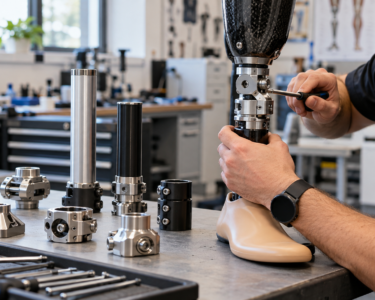
Understanding the components of a prosthetic leg can help users make informed decisions about their prosthetic solution.
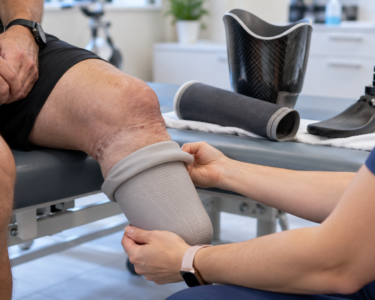
Socket
The socket is the most important component because it connects the prosthetic leg to the residual limb. A properly fitted socket ensures comfort, stability, and control.
Suspension System
The suspension system secures the prosthetic leg to the body.
Common Suspension Methods
- Suction suspension
- Vacuum suspension
- Silicone liners
- Strap systems
- Locking pin systems
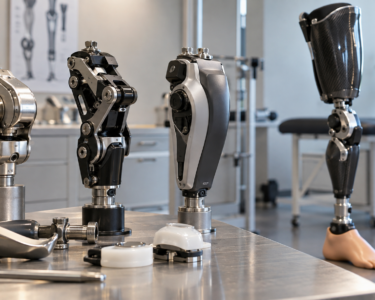
Prosthetic Knee
For above-knee amputees, the prosthetic knee provides controlled movement and stability.
Types of Prosthetic Knees
- Mechanical knees
- Hydraulic knees
- Pneumatic knees
- Microprocessor-controlled knees
Prosthetic Foot
The prosthetic foot provides support, shock absorption, and balance.
Popular Foot Options
- Solid ankle cushioned heel (SACH)
- Dynamic response feet
- Energy-storing feet
- Multi-axial feet
Benefits of Leg Prosthetics
Modern prosthetic technology offers numerous physical, emotional, and social benefits.
Improved Mobility
Prosthetic legs enable users to walk, stand, climb stairs, and perform daily activities more independently.
Enhanced Independence
Many individuals regain the ability to work, travel, and manage personal tasks without relying heavily on assistance.
Better Physical Health
Maintaining mobility contributes to:
- Improved cardiovascular fitness
- Increased muscle strength
- Better joint health
- Enhanced overall well-being
Increased Confidence and Mental Well-Being
Restoring mobility often improves self-esteem and helps individuals participate more actively in social and professional environments.
Greater Participation in Sports and Recreation
Advanced prosthetic designs allow users to enjoy activities such as:
- Running
- Swimming
- Cycling
- Hiking
- Gym workouts
The Prosthetic Fitting Process
Receiving a prosthetic leg involves several stages to ensure the best possible outcome.
Initial Consultation
A prosthetist evaluates:
- Medical history
- Limb condition
- Activity level
- Lifestyle goals
- Physical abilities
Measurement and Casting
Detailed measurements are taken to create a custom-fit socket that provides comfort and stability.
Prosthetic Fabrication
The prosthetic leg is designed and assembled according to the user’s specific needs and mobility requirements.
Trial Fitting
The user tests the prosthetic leg, and adjustments are made to improve fit, alignment, and comfort.
Final Fitting and Training
Once the prosthetic is finalized, rehabilitation begins to help users adapt to their new limb.
Rehabilitation and Prosthetic Training
Rehabilitation is essential for maximizing the benefits of a prosthetic leg.
Physical Therapy
Physical therapy focuses on:
- Strength building
- Balance improvement
- Flexibility training
- Walking techniques
Gait Training
Gait training helps users develop efficient walking patterns and improve overall mobility.
Daily Activity Training
Users learn practical skills such as:
- Climbing stairs
- Sitting and standing safely
- Navigating uneven surfaces
- Carrying objects while walking
Choosing the Right Prosthetic Leg
Selecting the right prosthetic solution involves several important considerations.
Activity Level
The user’s daily activities and lifestyle significantly influence prosthetic selection.
Low Activity Users
May benefit from basic prosthetic systems designed for comfort and stability.
Active Users
Often require advanced prosthetic components that support higher mobility demands.
Comfort and Fit
A properly fitted socket is critical for preventing:
- Skin irritation
- Pressure sores
- Discomfort
- Reduced mobility
Durability
The prosthetic should be durable enough to withstand the user’s daily activities and environmental conditions.
Budget and Insurance Coverage
Prosthetic costs vary depending on:
- Technology level
- Materials used
- Customization requirements
- Additional components
Understanding insurance coverage and financial assistance options can help reduce costs.
Caring for Your Prosthetic Leg
Proper maintenance ensures long-term performance and comfort.
Daily Cleaning
Regularly clean the socket and liner to maintain hygiene and prevent skin issues.
Inspect Components
Check for:
- Loose screws
- Cracks
- Wear and tear
- Alignment issues
Monitor Skin Health
Pay attention to signs of:
- Redness
- Swelling
- Blisters
- Persistent discomfort
Consult your prosthetist if any issues arise.
Schedule Regular Follow-Ups
Routine appointments help ensure the prosthetic continues to fit properly and function effectively.
Latest Innovations in Leg Prosthetics
Technological advancements continue to improve the functionality and comfort of prosthetic limbs.
Microprocessor-Controlled Knees
These intelligent systems use sensors and computer technology to adjust movement in real time.
Benefits
- Improved stability
- Reduced risk of falls
- More natural walking patterns
Bionic Prosthetics
Bionic prosthetics can interpret muscle signals and provide highly responsive movement.
3D-Printed Prosthetics
3D printing offers:
- Faster production
- Greater customization
- Reduced manufacturing costs
- Lightweight designs
Smart Prosthetic Technology
Smart prosthetics can collect data on:
- Walking patterns
- Pressure distribution
- Device performance
This information helps optimize fit and function.
Common Challenges Faced by Prosthetic Users
While prosthetic technology has advanced significantly, users may still experience certain challenges.
Initial Adjustment Period
Learning to use a prosthetic leg requires patience and practice.
Socket Discomfort
Changes in limb volume can affect socket fit over time.
Maintenance Requirements
Regular servicing and adjustments are necessary for optimal performance.
Emotional Adaptation
Adjusting to life after limb loss can be emotionally challenging, making support from healthcare professionals and loved ones invaluable.
Empowering Mobility and Independence with Modern Prosthetic Solutions
Leg prosthetics have transformed the lives of millions of people worldwide by restoring mobility, independence, and confidence. From below-knee and above-knee prosthetics to cutting-edge bionic technologies, today’s solutions offer more comfort and functionality than ever before.
If you or a loved one is considering a prosthetic leg, working with an experienced prosthetist and rehabilitation team is essential. Choosing the best prosthetics manufacturer in India can make a significant difference in the quality, comfort, and performance of your prosthetic device. With the right prosthetic solution, proper training, and ongoing support, individuals can regain their freedom of movement and enjoy a fulfilling, active life.