

Summary : The best prosthetic knee for an above-knee amputee is the one that delivers the right balance of safety, swing control, weight, mobility and serviceability for that person. Before buying, compare knee geometry, stance control, activity compatibility, body-weight limit, build height, maintenance needs and how the knee works with the socket and foot.
Above-knee amputees depend on the prosthetic knee for both stability and movement. That makes knee selection far more important than simply choosing a “premium” model. A knee that is ideal for an experienced variable-cadence community walker may be a poor choice for someone who needs maximum security during early rehabilitation. The correct buying process begins with functional goals and risk factors, then narrows down the technology.
1. Start With Stance Stability
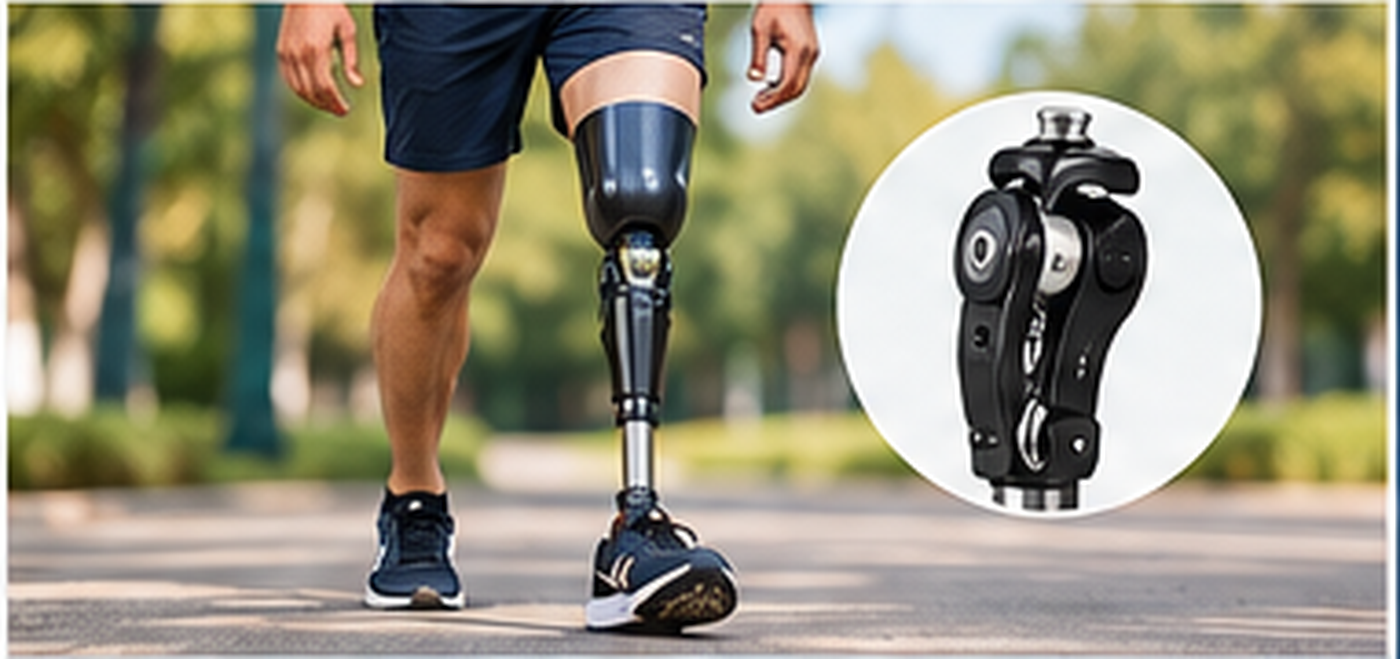
Stance stability is the knee’s ability to resist unwanted collapse while you are loading the prosthesis. Mechanical stability can come from alignment, a posterior knee axis, polycentric geometry, a manual lock or a load-activated brake. Hydraulic and microprocessor systems may add controlled stance flexion or adaptive resistance.
If you have a history of falls, weak hip control or low confidence, prioritize a knee that provides predictable stance behaviour. Protech Ortho lists knees ranging from manual-locking Cosmos models to load-activated and advanced hydraulic systems on its prosthetic knee joint page.
2. Check Swing-Phase Control
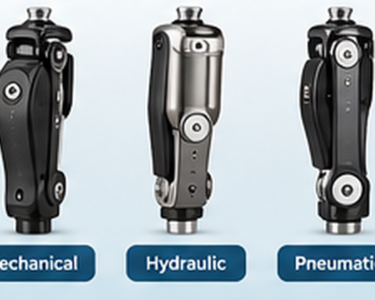
During swing phase, the knee bends to create toe clearance and then extends for the next step. Basic friction knees work best at a relatively consistent cadence. Pneumatic and hydraulic knees provide more adaptable resistance as walking speed changes.
For a user who walks slowly at one pace, a simple system may be sufficient. For a user who commutes, changes speed, navigates crowds or walks longer distances, better swing control can improve confidence and reduce compensatory movements.
3. Match the Knee to Your Activity Level
Activity level should drive the decision. Low-activity users may prioritize stability and ease of use. Moderate community users may need better toe clearance and variable-cadence control. High-activity users may benefit from advanced hydraulic or microprocessor systems that can adapt more dynamically.
Do not overestimate activity to obtain a more expensive knee. A component only adds value when the user has the strength, balance, cognition and training to use its functions safely.
4. Compare Single-Axis and Polycentric Geometry
Single-axis knees rotate around one hinge point and can be simple and durable. Polycentric knees use multiple linkages so the instantaneous centre of rotation changes during flexion. This can improve geometric stability and shorten the effective limb during swing, helping toe clearance.
Neither geometry is universally better. Socket length, available build height, cosmetic preference and activity goals can make one design more suitable than another.
5. Check Body-Weight Limit and Component Weight
Every knee has a maximum user-weight rating. Protech Ortho’s range includes models with different limits, including 100 kg and 125 kg options. The user should remain within the specified limit with any relevant loads such as work gear.
Knee weight also matters. A heavier knee may feel more tiring, especially with a short residual limb. However, choosing only by the lightest weight can sacrifice control or durability. Consider total prosthesis weight, not just the knee.
6. Look at Flexion Range and Everyday Positions
Knee flexion determines how easily you can sit, use low chairs, kneel in some situations or position the leg in transport. Many mechanical and fluid-control knees offer around 120-155 degrees of flexion, while some advanced systems offer more. More flexion is useful only if the socket and body allow you to use it.
7. Consider Water, Dust and Work Environment
If your job or lifestyle includes rain, water, dust, construction sites or outdoor work, ask about the environmental rating. Some advanced knees are water resistant or waterproof, while others need protection. Service access should also influence the choice.
8. Understand Maintenance and Repair
Mechanical knees can often be serviced more simply. Pneumatic and hydraulic systems contain cylinders and seals that need professional maintenance. Microprocessor knees add batteries, electronics and software. Ask how frequently the knee should be inspected, where repairs are handled and whether a loaner knee is available during service.
9. Evaluate the Knee With the Foot and Socket
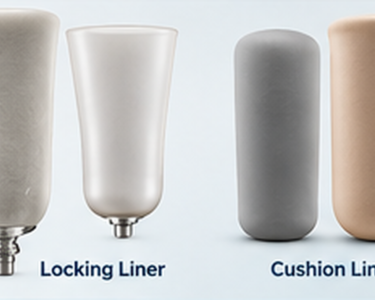
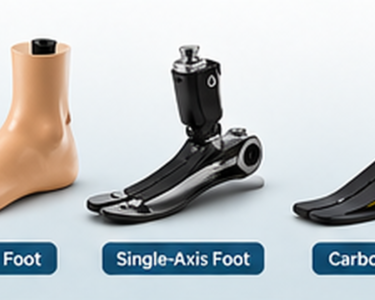
The knee cannot be judged independently. Foot stiffness and rollover affect the forces reaching the knee. Socket alignment affects stance stability. Suspension affects whether the user can control the knee precisely. A complete above-knee prosthetic kit shows how joints, adapters and pylons work as one modular system.
10. Trial, Gait Training and Follow-Up Matter
A knee should be aligned and tuned while you walk. Small changes to stance resistance, friction, hydraulic damping or alignment can transform how it feels. Protech Ortho’s gait analysis and rehabilitation services are therefore part of the buying decision, not an optional extra.
A Practical Knee Buying Checklist
Before choosing a knee, write down five everyday situations that matter most: for example walking to work, standing in queues, using stairs, travelling on buses, walking on uneven roads or caring for a child. Ask the prosthetist how each shortlisted knee behaves in those exact situations. This keeps the conversation focused on function rather than specifications that may never matter to you.
Then compare: stance security, swing adaptability, body-weight rating, component weight, build height, maximum flexion, water and dust exposure, charging if electronic, repair access, warranty and total fitted cost. If two knees appear similar on paper, a supervised gait trial can show which one feels more predictable and requires less compensation.
Red Flags When Shopping for an Above-Knee Knee Joint
Be cautious if a seller recommends a knee without examining your residual limb, strength and gait; cannot explain the body-weight limit; promises that one model is “best for everyone”; or gives only the component price without discussing socket and foot compatibility. Also avoid changing knee settings or adapters yourself after delivery. A knee that is poorly aligned can feel unsafe even when the component is technically suitable.
Think Beyond the First Week
A new knee may feel impressive during a short clinic trial, but long-term ownership includes servicing, replacement parts, periodic adjustment and changes in your activity. Ask what support is available after six months or two years. For buyers in India, local technical support can be as important as the original brand because downtime affects daily mobility.
Budget and Value: What Are You Paying For?
The price difference between knee categories reflects more than material. You may be paying for stronger stance control, more adjustable swing damping, lighter alloys, water resistance, electronics, software and service infrastructure. Ask which of those features solve a real problem for you. If you cannot explain how a feature will improve safety, walking efficiency or independence, it may not deserve a higher budget. On the other hand, underbuying a knee that cannot support your community mobility can lead to early replacement and a higher long-term cost.
Buy the Knee That Matches Your Risk, Routine and Goals
The best prosthetic knee is not defined by one feature. Prioritize stance stability, swing control, activity level, weight rating, build height, environment and service support. Then test the knee as part of the complete leg. A professional fitting through Protech Ortho helps translate technical specifications into a knee you can actually use every day.
Frequently Asked Questions
What is the best knee for a first-time above-knee user?
Often a stable, predictable knee is preferred during early rehabilitation, but the exact choice depends on strength, balance and expected mobility.
Is a polycentric knee safer than a single-axis knee?
Polycentric geometry can provide useful stability and toe clearance, but overall safety depends on the complete design, alignment and user.
Should I buy a microprocessor knee?
Only if your activity level, balance, goals, budget and ability to charge and maintain the system justify its features.
How important is knee weight?
It can be significant, especially for users with short residual limbs, but control and function should not be sacrificed only to reduce grams.
What body-weight limit should I choose?
Use a knee whose manufacturer rating comfortably covers your body weight and normal carried loads.
Which knee is best for ramps?
Hydraulic and microprocessor knees may offer smoother control on ramps, but model-specific features and training matter.
Which knee is best for older amputees?
Many older users prioritize stability, predictable operation and manageable weight; age alone does not determine the knee.
Can a knee joint cause socket discomfort?
Indirectly yes. Knee alignment and gait can change forces at the socket, so the entire prosthesis should be assessed.
How long does a prosthetic knee last?
Lifespan varies by component, use, maintenance and environment. Follow the manufacturer and clinic service schedule.
Where can I see Protech Ortho knee specifications?
Review the Protech Ortho knee range and request a fitting consultation.
Medical & Fitting Note
This article is general educational and buying guidance. Prosthetic components, sockets and suspension systems must be selected and fitted by qualified prosthetic professionals based on individual clinical assessment. Prices and product availability can change; request a current quote before purchase.