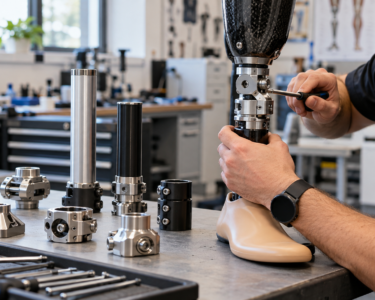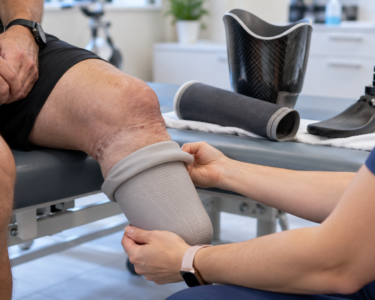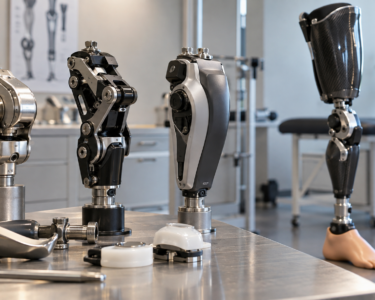

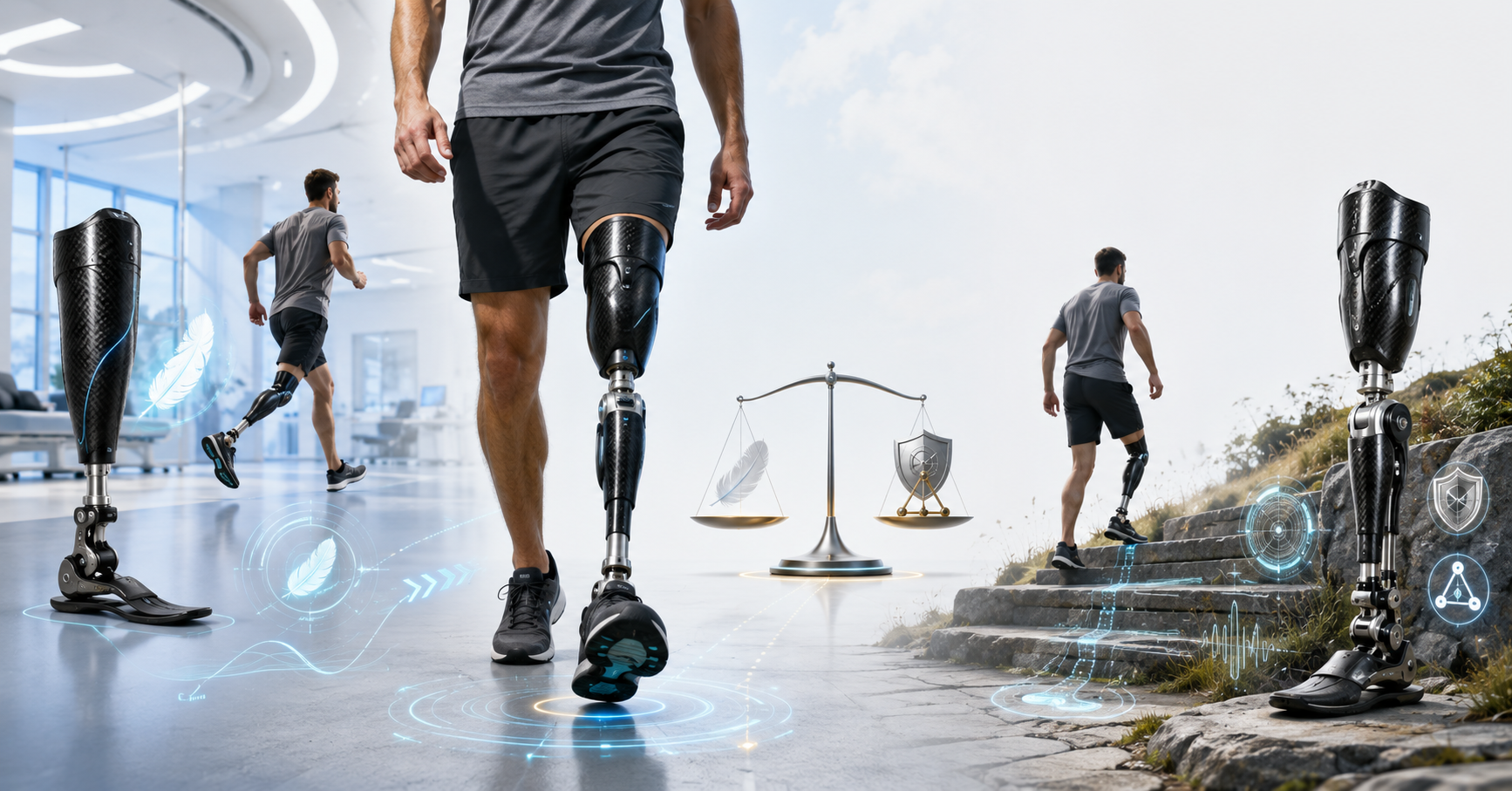

Summary: A lighter prosthesis can reduce the effort needed to move the device, especially when weight is concentrated far from the body. However, total weight is only one part of comfort and performance. Fit, suspension, alignment, balance, durability and the function delivered by powered or microprocessor components may matter more. This guide explains how to judge useful weight rather than simply choosing the lowest number.
“This prosthesis feels too heavy” is a common and important concern. The natural response is to remove as much weight as possible, but the issue is more complex. Many prostheses already weigh less than the anatomical limb they replace and can still feel heavy, awkward or tiring.
The reason is that the body does not experience weight as a number on a scale alone. It experiences how that mass is attached, balanced and moved. A poorly fitting socket may allow the prosthesis to pull away from the body. Weight placed near the foot or hand creates more rotational effort than the same weight placed closer to the socket. A heavier powered component may also perform work that a lighter passive component cannot.
The best goal is therefore an efficient, well-balanced prosthesis that provides the function the user needs at an acceptable weight.
Actual Weight and Perceived Weight Are Different
Actual weight is the mass measured on a scale. Perceived weight is how heavy the prosthesis feels during wear and activity. The two are related, but they are not identical.
A user may perceive a relatively light device as heavy because:
- The socket is loose or uncomfortable
- Suspension allows pistoning
- The terminal device or foot makes the system end-heavy
- Alignment creates an inefficient movement pattern
- Muscles are weak or deconditioned
- The prosthesis is used for longer than current tolerance
- Pain or skin irritation makes every movement more difficult
Conversely, a somewhat heavier device may feel manageable when it is closely suspended, well balanced and provides useful powered movement.
For an overview of how sockets, suspension and other parts work together, read Beginner’s Guide to Understanding Prosthetic Components.
Why Weight Location Matters
Moving a limb requires the body to accelerate and slow it repeatedly. Mass placed farther from the hip or shoulder increases the moment of inertia, which can make the limb harder to swing and control.
For a prosthetic leg, weight near the ankle or foot may have a greater effect than the same amount near the socket. For an upper-limb prosthesis, a heavy hand or terminal device can create a long lever that increases shoulder effort.
This is why clinicians think about mass distribution and balance, not only total grams. A component may be light by itself but still create an uncomfortable system when placed at the end of a long prosthesis.
How Prosthetic Weight Can Affect Lower-Limb Users?
Swing-Phase Effort
The hip muscles help move the prosthetic leg forward and control it before heel contact. More distal mass can increase this demand. A user may notice slower swing, shorter walking distance or greater fatigue, particularly with an above-knee prosthesis.
Gait Symmetry and Compensation
If the device feels hard to advance, the user may hike the hip, swing the leg outward or vault on the sound side. These movements can also result from length, alignment, knee settings or poor foot clearance, so weight should not be blamed without assessment.
Stability
Lighter is not automatically more stable. Some users prefer a feeling of substance and controlled swing. Removing a component or changing mass can alter how a knee or foot behaves. Stability comes primarily from suitable component design, alignment, fit, training and the user’s strength.
Energy Use
Research on added prosthetic mass has produced mixed findings. Some studies found little change within the tested range, while others found greater energy cost or gait asymmetry, particularly when weight was added distally. The individual response, walking speed, amputation level and component function all influence the result.
The practical question is not whether all extra mass is harmful. It is whether the function gained justifies the effort for this user.
How Weight Affects Upper-Limb Prostheses?
An upper-limb prosthesis is supported by the residual limb, shoulder girdle and sometimes a harness. A heavy or poorly balanced terminal device can cause shoulder fatigue, neck discomfort and reduced wear time.
The socket acts as the foundation. If it does not fit securely, the prosthesis can feel as though it is dragging away from the body. Good suspension and frame balance can make a meaningful difference to perceived weight.
Upper-limb options involve trade-offs:
- A passive cosmetic hand may be light but offer limited active function.
- A body-powered hook may be durable and relatively light but requires a harness and body movement.
- A multi-articulating myoelectric hand may provide several grips but adds motors, batteries and electronics.
- Removing an elbow, wrist or powered feature may reduce weight but also reduce reach or task options.
The appropriate choice depends on the user’s real tasks, not a technology ranking.
When a Heavier Component May Be Worthwhile?
Microprocessor Knees
A microprocessor knee contains sensors, electronics and a battery, which may add mass compared with a simple mechanical knee. For a suitable user, its ability to adjust resistance may improve stability, variable-speed walking or confidence on ramps and stairs.
Hydraulic and Microprocessor Feet
Hydraulic ankles and microprocessor feet may be heavier than basic passive feet. Their articulation can improve rollover, adapt to slopes or reduce socket stress for some users. A powered ankle may add even more mass but contribute propulsion.
Review Lower-Limb Prosthetics: Feet and Knee Mechanisms for the functional differences between these systems.
Multi-Articulating Hands
Motors and batteries allow several grip patterns but increase distal weight. The benefit may be worthwhile for a person who uses those grips at work or for self-care. It may be unnecessary for someone who prefers a durable hook for demanding tasks.
Work and Sport Components
Heavy-duty joints, rotators, shock absorbers or specialised adapters may increase weight while improving safety or function in a particular activity. Sport-specific devices are designed around the movement demands of that sport and may not be ideal for all-day use.
Prosthetics for Athletes explains why activity-specific design matters.
The Role of Socket Fit and Suspension
A close, comfortable interface helps the body control the prosthesis. If the socket is loose, the user must repeatedly lift the prosthesis before it begins to move. This delay can make the system feel much heavier than its measured mass.
Pistoning also changes pressure and may reduce confidence. Vacuum, suction, pin, lanyard, sleeve, harness and anatomical suspension systems each have advantages and limitations. Better suspension does not necessarily mean the most complex option; it means the one that works reliably for the user’s limb, skin and activities.
If the device suddenly feels heavier, check whether limb volume, sock use or suspension has changed before assuming the component itself is the problem.
The Role of Alignment and Training
Poor alignment can increase muscular demand and interfere with foot rollover or knee swing. In upper-limb systems, terminal-device orientation can make reaching inefficient. A weight complaint should therefore trigger a review of alignment and body mechanics.
Strength and motor control also develop with training. A new user may need a gradual wear schedule and targeted physical or occupational therapy. Training should build tolerance without asking the user to “push through” pain, numbness or skin damage.
Materials That Reduce Weight
Carbon Fibre
Carbon-fibre composites offer high strength and stiffness at relatively low mass. They are used in sockets, pylons and energy-storing feet. The lay-up, design and manufacturing quality determine safety; carbon fibre is not automatically appropriate for every component.
Learn more in What Are Carbon Fiber Prosthetics?.
Titanium and Aluminium
Titanium has a strong strength-to-weight ratio and good corrosion resistance. Aluminium is also widely used for lightweight structural components. Material selection must consider user weight, activity, component compatibility and manufacturer limits.
Thermoplastics, Laminates and Silicone
Modern thermoplastics and laminates allow thin, shaped structures. Flexible inner sockets and silicone interfaces may improve comfort and create a closer connection. A lighter material does not help if the socket design becomes less durable or less supportive.
How to Decide Whether a Prosthesis Is Too Heavy?
Ask functional questions rather than focusing only on the scale:
- Can you wear it for the planned amount of time without harmful skin changes?
- Can you complete essential tasks with acceptable fatigue?
- Does the limb swing or reach smoothly?
- Does the prosthesis feel secure rather than pulling away?
- Is discomfort related to one area, movement or time of day?
- Does a heavier component provide a measurable benefit?
- Would a lighter alternative still meet safety and durability requirements?
A useful trial compares options during real activities. For lower-limb users, this may include different speeds, turns, ramps and stairs. For upper-limb users, it may include carrying, reaching, typing, cooking or work tools.
Signs That Weight or Balance Needs Review
Arrange an assessment if you experience:
- New shoulder, neck, back, hip or sound-side joint pain
- Rapid fatigue during familiar tasks
- A feeling that the device is pulling away from the socket
- Increased hip hiking, circumduction or toe catching
- Frequent harness pressure or skin irritation
- Reduced control of a terminal device
- A major drop in daily wear time
- Difficulty that began after a component change
Sudden heaviness can also signal looseness, fluid inside a cover, component failure or a fit change. Stop use if the prosthesis feels structurally unsafe.
Do Not Remove or Replace Components Yourself
Structural adapters, covers, batteries and joint parts may affect alignment, strength, water protection or electrical safety. Removing a cosmetic cover may seem harmless but can expose components or alter how clothing and joints interact. Any weight-reduction change should be approved by the prosthetist and remain within manufacturer specifications.
The Best Weight Is the Weight That Works
Lighter construction can improve comfort and reduce swing effort, especially when unnecessary distal mass is removed. But the lowest possible weight is not always the best clinical solution. Fit, suspension, balance, function, safety and durability determine whether a prosthesis feels manageable and supports the user’s goals.
The right comparison is therefore not “light versus heavy.” It is “useful function versus unnecessary burden.” A professional trial and task-based assessment can identify which trade-offs are worthwhile.
Find the Right Prosthetic Balance with PROACTIVE!
To discuss lightweight materials, component choices, socket support and activity-specific needs, contact PROACTIVE Technical Orthopaedics, the best prosthetics manufacturer in India. A comprehensive assessment can help determine whether weight concerns are related to the prosthetic components, their positioning, socket fit, alignment or suspension, helping improve comfort, mobility and overall performance.
Frequently Asked Questions
1. How much does a prosthetic leg weigh?
Weight varies greatly by amputation level, socket, knee, foot, battery and user requirements. A simple below-knee prosthesis may weigh much less than an above-knee system with a microprocessor knee and powered foot.
2. Are prosthetic limbs heavier than natural limbs?
Many prosthetic limbs weigh less than the anatomical limb they replace. They can still feel heavy because they lack natural muscle control and sensation and are attached through a socket or harness.
3. Does a lighter prosthetic leg use less energy?
It may reduce swing effort, particularly when weight is removed from the foot or ankle. Research is mixed because energy use also depends on fit, alignment, speed, amputation level and whether a heavier component provides powered assistance.
4. Why does my prosthesis suddenly feel heavier?
Possible causes include limb-volume change, loose suspension, socket discomfort, muscle fatigue, alignment change or component wear. A sudden change should be assessed, especially if it is accompanied by noise, instability or pain.
5. Are microprocessor knees too heavy?
They are heavier than some mechanical knees, but suitable users may gain stability and adaptive resistance. The decision should compare weight with functional benefit through a supervised trial whenever possible.
6. Can a heavy prosthesis cause back pain?
Excessive or poorly distributed weight may contribute to compensation and strain, but fit, alignment, strength and pre-existing conditions are also important. Persistent back pain requires a broader clinical evaluation.
7. Can my prosthetist make my existing limb lighter?
Sometimes. Options may include different materials, covers or components, but changes must preserve strength, alignment and required function. The clinician should first determine why the device feels heavy.
8. Is carbon fibre always the lightest option?
Carbon fibre offers an excellent strength-to-weight ratio, but design, resin, reinforcement and component requirements influence final weight. It is not automatically the safest or lightest choice for every application.
9. Why does a prosthetic arm feel heavy at the hand?
The hand is far from the shoulder, so its mass creates a longer lever and greater rotational effort. Socket fit, suspension and frame balance can reduce the sensation, while therapy can improve body mechanics.
10. Should children always receive the lightest prosthesis?
Children need lightweight, durable systems, but function, safety, growth and activity remain important. The prosthesis should be selected and reviewed by a paediatric prosthetic team rather than chosen by weight alone.