

Summary:
Discover the latest waterproof prosthetic solutions that let you enjoy swimming, water sports, and beach activities without worry. Learn about specialized materials, protective devices, and maintenance tips.
Water activities are often among the first things people worry about losing after amputation. The good news is that modern prosthetics have made swimming and water recreation genuinely accessible. From waterproof foot components to specialized aquatic prosthetics, you have more options than ever. This guide explores the innovations making water enjoyment possible for prosthetic users.
Understanding Waterproof Prosthetic Technology
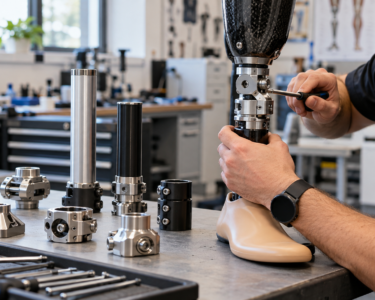
Traditional prosthetics use materials that can absorb water and deteriorate when submerged. Modern waterproof options employ specialized engineering to protect the internal mechanisms. The key is creating a barrier between water and sensitive components like motors, joints, and electronic controls. Manufacturers now use sealed titanium components, silicone encapsulation, and advanced polymers designed specifically for aquatic environments. These materials maintain their structural integrity whether you’re in a swimming pool, ocean, or taking a shower at home.
Types of Waterproof Prosthetic Options
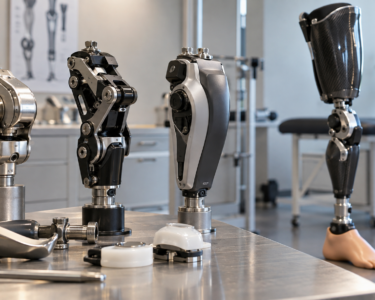
Several categories of waterproof prosthetics exist for different needs. Activity-specific prosthetics are designed for particular water sports—surfing prosthetics, for example, have specialized foot shapes and grip surfaces. Microprocessor waterproof knees adjust their settings in real time even when wet, allowing natural movement in water. Passive waterproof feet are simpler, less expensive options ideal for swimming when you don’t need complex ankle dynamics. Some users maintain multiple prosthetics—a primary limb for daily use and a dedicated waterproof model for recreation. This approach offers flexibility and extends the lifespan of your main prosthetic.
Materials and Design Features
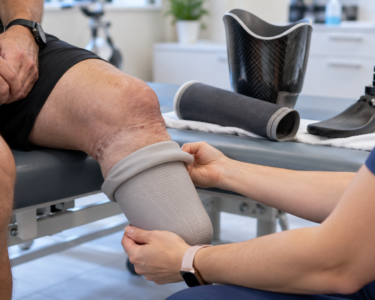
Waterproof prosthetics utilize specialized materials throughout their construction. Silicone liners create a seal between your skin and the socket, preventing water from reaching the inner layers. Drainage systems actively remove water that enters the socket, keeping your skin dry and preventing maceration (skin softening from prolonged moisture). Carbon fiber components resist corrosion and maintain their strength when wet. Stainless steel and anodized aluminum replace standard metals to prevent rust. The foot itself might feature a specialized shape with enhanced proprioceptive feedback—some designs use different materials on the sole to provide better grip on wet surfaces. Socket sealing is perhaps the most critical element; a well-sealed socket prevents water from reaching sensitive areas.
Cost Considerations and Insurance Coverage
Waterproof prosthetics typically cost more than standard models. A basic waterproof passive foot ranges from $3,000 to $8,000, while microprocessor waterproof knees can exceed $30,000. Many insurance plans cover standard prosthetics but may not automatically cover specialized waterproof versions. You’ll need to document that the waterproof option is medically necessary for your lifestyle or participate in water-based therapy. Some manufacturers offer rental or trial programs, allowing you to test whether a waterproof prosthetic meets your needs before committing to purchase. Medicare may cover waterproof components if they’re documented as medically necessary.
Maintenance and Care for Waterproof Prosthetics
Even waterproof prosthetics require proper care to maintain their water-resistant properties. Rinse your prosthetic with fresh water after salt water exposure to prevent corrosion. Dry it thoroughly before storing—use a soft cloth and allow air drying rather than using heat. Check seals regularly for cracks or deterioration; most manufacturers recommend replacing drainage systems every 6-12 months depending on use frequency. Don’t apply waterproof sealants yourself; have your prosthetist maintain the sealing system. Avoid submerging your prosthetic in water for extended periods—swimming is fine, but sleeping or showering while wearing it constantly can compromise seals. Store your prosthetic in a cool, dry location away from direct sunlight.
Real-World Activities and Limitations
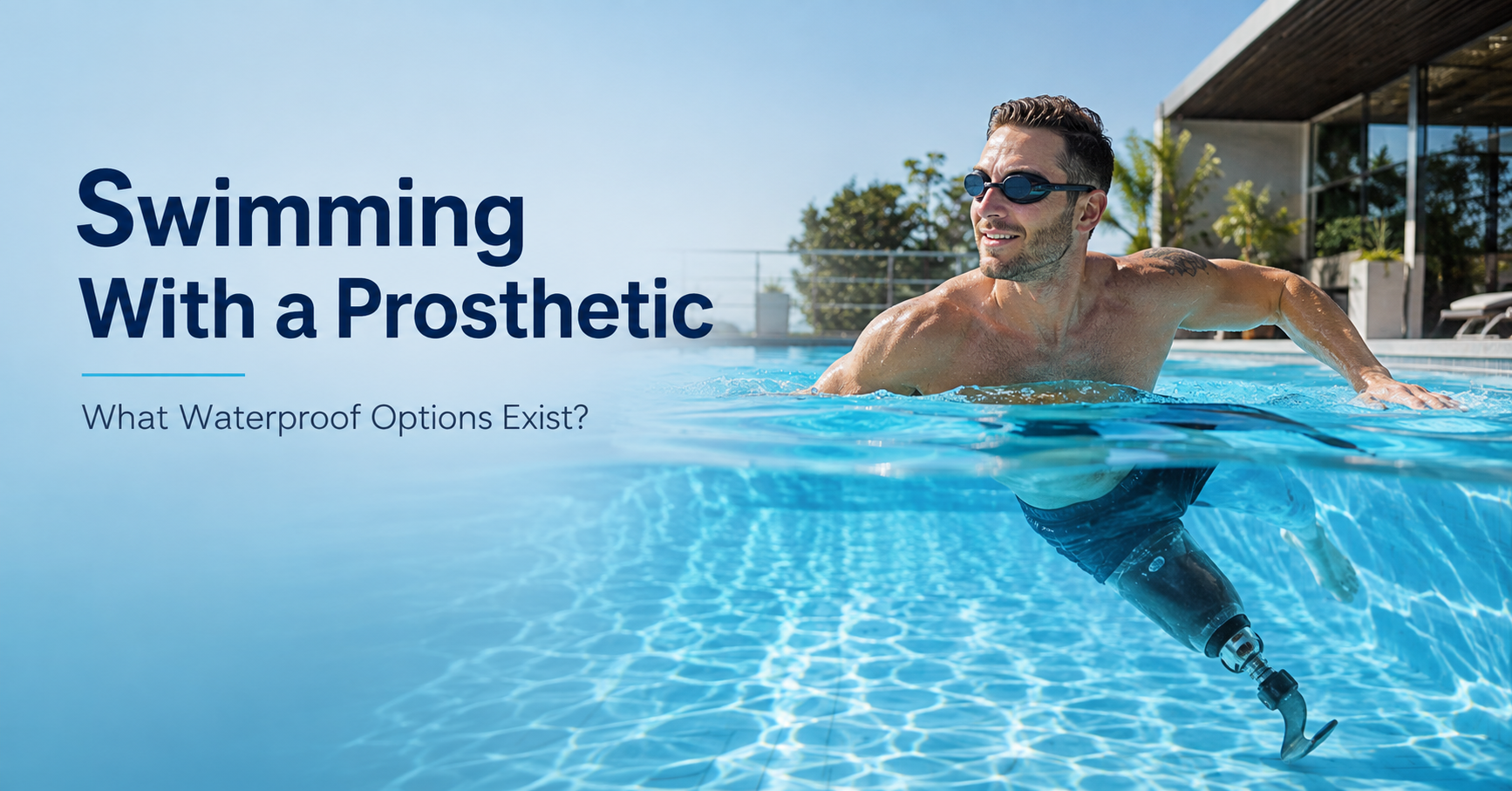
Waterproof prosthetics enable swimming, water aerobics, beach activities, and casual water sports. Users report enjoying lap swimming, play in shallow water with family, and even surfing with specialized models. However, some limitations exist. Deep diving requires specialized equipment and isn’t recommended with most current prosthetics. High-speed water sports with risk of impact might damage the prosthetic faster than intended. Your specific prosthetic’s depth and duration limits depend on its design—your prosthetist can provide exact specifications. Always follow these limits to prevent damage and maintain functionality.
Modern prosthetic technology has transformed what’s possible for amputees and individuals with limb differences. Whether your priority is functionality, appearance, or a combination of both, options exist to meet your needs. The journey to optimal prosthetic use requires patience, proper training, and collaboration with experienced professionals. As technology continues advancing, returning to your prosthetist periodically ensures you benefit from innovations that could enhance your mobility and quality of life.
Take Your Next Step With Proactive Technical Orthopaedics
At Proactive Technical Orthopaedics, we specialize in selecting and fitting waterproof prosthetics tailored to your lifestyle. As the best prosthetics manufacturer in India, our experts understand water activities and provide solutions that let you swim, shower, and enjoy aquatic recreation confidently. Contact our team today for a consultation—let’s get you back to the activities you love.
Frequently Asked Questions
1. Can You Swim With A Prosthetic Leg?
Yes, swimming with a prosthetic leg is possible with the right waterproof or water-friendly prosthetic setup. Specialized components are designed to handle exposure to water and provide better stability in pools or other aquatic environments.
2. What Is A Waterproof Prosthetic Leg?
A waterproof prosthetic leg is designed with components that can safely withstand water exposure. These prostheses typically use water-resistant materials and specialized feet or knees suitable for activities such as swimming, bathing, and walking in wet environments.
3. What Types Of Prosthetics Can Be Used For Swimming?
Swimming prosthetics can include waterproof lower-limb prostheses, aquatic prosthetic feet, and specially designed swimming legs. The appropriate option depends on the user’s amputation level, swimming ability, and intended water activities.
4. Can A Regular Prosthetic Leg Get Wet?
Not all regular prosthetic legs are designed for water exposure. Water can damage certain mechanical, electronic, or cosmetic components. Always check the manufacturer’s water-resistance rating before using a prosthesis around or in water.
5. Do You Need A Special Prosthetic Leg For Swimming?
A special swimming or waterproof prosthesis may be recommended if you plan to swim regularly. These devices are designed specifically for aquatic environments and can provide better safety, durability, and functionality than standard prosthetic limbs.
6. Are Waterproof Prosthetic Legs Completely Submersible?
Some prosthetic components are designed for full or partial submersion, while others are only water-resistant. The level of protection varies by component and manufacturer, so it is important to confirm the specific water-use instructions before submerging the prosthesis.
7. Can You Swim Without A Waterproof Prosthetic?
Yes, some people choose to swim without their prosthesis, depending on their comfort, mobility, and swimming environment. However, getting in and out of the pool can be more challenging, so appropriate support and safety precautions may be necessary.
8. How Much Does A Waterproof Prosthetic Leg Cost?
The cost of a waterproof prosthetic leg varies depending on the design, components, materials, and level of customization required. Insurance coverage and funding options may also differ depending on your location and individual circumstances.
9. What Should You Look For In A Swimming Prosthetic?
When choosing a swimming prosthetic, consider water resistance, grip, stability, buoyancy, comfort, adjustability, durability, and ease of maintenance. A prosthetist can help determine which features are appropriate for your swimming needs.
10. How Do You Maintain A Waterproof Prosthetic After Swimming?
Rinse the prosthesis with clean water after swimming, remove excess moisture, and allow the appropriate components to dry according to the manufacturer’s instructions. Regular inspection can also help identify corrosion, wear, or damage early.