

A Practical Guide to Rehabilitation, Confidence, and Everyday Life
Losing a limb is a life-changing experience. Whether limb loss occurs because of an accident, illness, or another medical condition, adjusting to life afterward can involve significant physical and emotional challenges. Learning to use a prosthetic limb is not an overnight process. It takes time, rehabilitation, practice, patience, and support.
A prosthetic limb can help restore mobility and independence, but successful prosthetic use involves much more than receiving the device. It requires learning how to move with it, caring for the residual limb, adapting to everyday activities, and developing confidence.
Every person’s journey is different. Some people adapt quickly, while others need more time and support. There is no “right” timeline for recovery. With appropriate professional care and a positive support system, many people with limb loss are able to return to work, hobbies, sports, family activities, and an active lifestyle.
Understanding the Adjustment Process
The first step after limb loss is recognizing that adjustment takes time.
A person may experience changes in balance, strength, mobility, body image, independence, and daily routines. Even simple activities that were previously automatic may require new techniques.
When receiving a prosthetic limb, you may need to learn how to:
- Put on and remove the prosthesis correctly
- Maintain proper balance
- Walk safely
- Navigate stairs and uneven surfaces
- Sit and stand comfortably
- Perform household activities
- Care for the residual limb
- Use the prosthesis for work or recreational activities
Your prosthetist and rehabilitation team can guide you through these steps and gradually increase the level of activity as your skills improve.
1. Make Rehabilitation a Priority
Rehabilitation is one of the most important parts of adjusting to a prosthetic limb.
A rehabilitation program may include physical therapy, gait training, strengthening exercises, balance exercises, and functional training. The exact program depends on the person’s amputation level, overall physical abilities, prosthetic design, and lifestyle goals.
During rehabilitation, you may learn how to distribute your weight correctly, improve coordination, strengthen the muscles needed for prosthetic use, and develop safer movement patterns.
Do not become discouraged if progress feels slow. Skills that seem difficult initially often become easier with consistent practice.
Following the exercise and training program recommended by your healthcare professionals can help you build confidence and improve functional mobility.
2. Take Care of Your Residual Limb
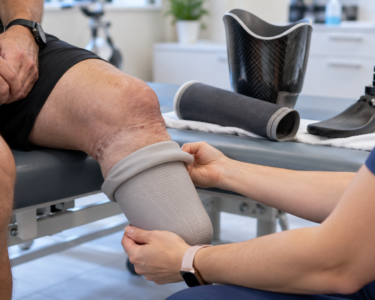
Residual limb care is essential for comfortable and successful prosthetic use.
The skin should be checked regularly for redness, irritation, blisters, pressure areas, or other changes. A prosthetic socket that does not fit properly can sometimes contribute to discomfort or skin problems.
Good hygiene is also important. Follow the cleaning and skin-care instructions provided by your prosthetist or healthcare professional.
If you notice persistent pain, skin breakdown, swelling, or other concerning changes, contact your healthcare team rather than continuing to use a painful prosthesis.
Regular prosthetic assessments can also help identify whether adjustments to the socket, alignment, or components are needed.
3. Give Yourself Time to Build Confidence
Learning to use a prosthetic limb can be challenging, particularly in the beginning.
It is normal to feel nervous about walking in public, using stairs, entering crowded places, or trying unfamiliar activities.
Start with manageable goals. For example, you might begin by practicing movements at home before gradually increasing the distance and complexity of your activities.
Celebrate small achievements. Standing independently, taking your first steps, walking outdoors, or completing a household task can all represent important milestones.
Confidence generally develops through experience. The more safely you practice, the more familiar your prosthesis can become.
4. Adapt Your Daily Routine
A prosthetic limb may require changes to your everyday routine.
You may need to develop new techniques for dressing, bathing, cooking, driving, working, or moving around your home.
Occupational therapists can be particularly helpful in teaching practical strategies for everyday activities.
You can also make your environment easier to navigate. Depending on your needs, this might include improving lighting, reducing trip hazards, adding support rails, or reorganizing frequently used items.
The goal is not simply to adapt your life around the prosthesis. It is to find practical ways to use your prosthesis as part of your lifestyle.
5. Choose Comfortable and Appropriate Footwear
For people using lower-limb prostheses, footwear can influence comfort, balance, and prosthetic alignment.
Different shoes can have different heel heights and sole characteristics, which may affect the position and function of a prosthetic foot.
Ask your prosthetist about appropriate footwear and whether your prosthesis requires specific alignment considerations.
Avoid making major changes to footwear without professional guidance, particularly if you notice changes in balance, comfort, or walking.
6. Pay Attention to Emotional Well-Being
Limb loss affects more than physical mobility. It can also have a significant emotional impact.
People may experience sadness, frustration, anxiety, anger, grief, or changes in body image. These feelings can occur at different stages and may change over time.
There is no need to handle these emotions alone.
Talking with family members, friends, support groups, counselors, or mental health professionals can provide valuable emotional support.
Connecting with other people who have experienced limb loss can also be helpful. Hearing how others adapted to prosthetic use may provide encouragement and practical ideas.
Seeking emotional support is not a sign of weakness. Mental well-being is an important part of rehabilitation.
7. Set Realistic and Meaningful Goals
Goal setting can make rehabilitation feel more manageable.
Instead of focusing only on a long-term goal, break it into smaller milestones.
For example:
Short-term goal: Stand comfortably with the prosthesis.
Next goal: Walk safely indoors.
Later goal: Walk outdoors independently.
Long-term goal: Return to work, exercise, travel, or a favorite hobby.
Your goals should reflect what matters to you. For one person, success may mean walking independently around the house. For another, it may mean returning to running, cycling, or another sport.
Your rehabilitation team can help create realistic goals based on your individual abilities.
8. Stay Active Within Your Abilities
Physical activity can play an important role in maintaining strength, endurance, balance, and confidence.
Once cleared by your healthcare professionals, you may gradually participate in activities that match your abilities and interests.
Activities such as walking, swimming, cycling, strength training, and adaptive sports may be options for some individuals.
Always discuss new or high-impact activities with your rehabilitation team so that the prosthesis and training program can be appropriately considered.
9. Keep Your Prosthesis Maintained
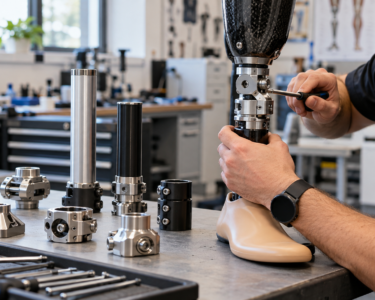
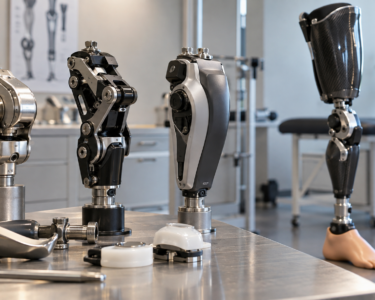
A prosthetic limb is a sophisticated device that requires regular care.
Follow the manufacturer’s and prosthetist’s instructions for cleaning, maintenance, and inspection.
Pay attention to changes such as:
- Unusual sounds
- Loose components
- Changes in socket fit
- Increased discomfort
- Changes in alignment
- Difficulty controlling the prosthesis
- Unexpected changes in walking
Do not ignore persistent problems. Early professional assessment may help prevent a minor issue from becoming a larger problem.
10. Build a Strong Support System
Successful adjustment is rarely a journey taken alone.
Family members and friends can provide practical and emotional support. Prosthetists, physical therapists, occupational therapists, doctors, counselors, and other rehabilitation professionals can contribute specialized knowledge.
A strong support network can help you stay motivated while also providing assistance when challenges arise.
Most importantly, remember that asking for help is completely normal.
Looking Forward After Limb Loss
Adjusting to life with a prosthetic limb is a journey rather than a single event. There may be good days and difficult days. Progress may not always be linear, and that is okay.
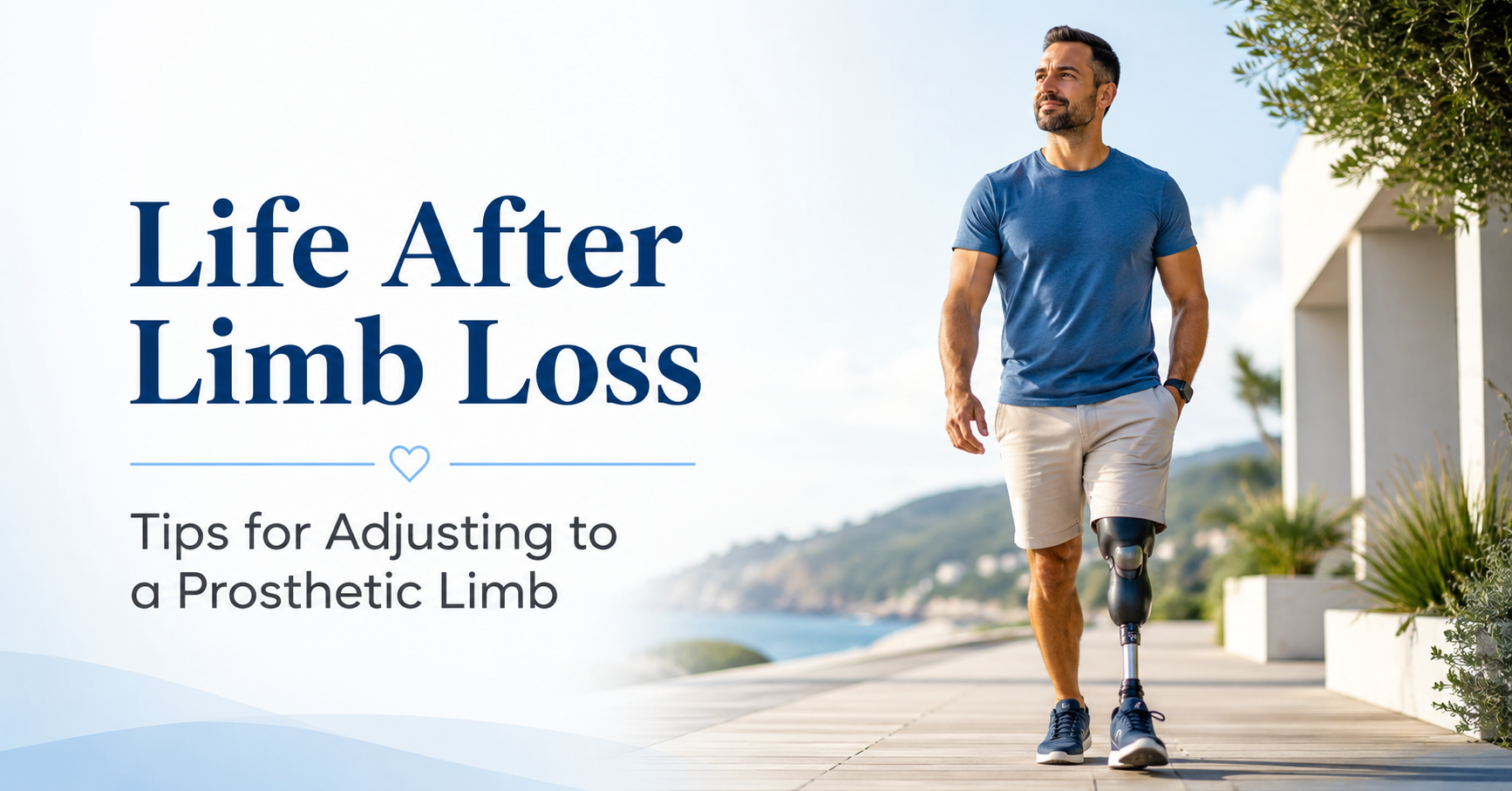
With appropriate rehabilitation, professional prosthetic care, emotional support, and regular practice, many people gradually become more comfortable and independent with their prosthesis.
Modern prosthetic technology continues to provide new options for mobility and function. However, the most important factor is finding a prosthetic solution that fits your individual needs and lifestyle.
Moving Forward With Confidence and Independence
Life after limb loss can bring significant changes, but it can also open the door to renewed independence and new possibilities.
Give yourself time to adapt. Follow your rehabilitation program, care for your residual limb, maintain your prosthesis properly, stay active within your abilities, and seek emotional support whenever you need it.
Most importantly, remember that your prosthesis is a tool designed to support your goals—not a definition of who you are.
With the right combination of professional prosthetic care, rehabilitation, patience, and support, you can work toward returning to the activities and lifestyle that are meaningful to you. Choosing the right best prosthetics manufacturer in India can also help you access personalized prosthetic solutions designed around your mobility needs, comfort, and long-term goals.
FAQs
1. How Long Does It Take To Adjust To A Prosthetic Limb?
Adjusting to a prosthetic limb varies from person to person. It can take several weeks or months to become comfortable with daily use. Physical therapy, regular practice, and proper prosthetic fitting can make the adjustment easier.
2. How Do You Get Used To Wearing A Prosthetic Leg?
Start by wearing the prosthetic leg for short periods and gradually increase the time as your body adapts. Following your prosthetist’s instructions, practicing movements, and attending physical therapy can help improve comfort and confidence.
3. What Problems Can You Have With A Prosthetic Limb?
Common challenges include skin irritation, pressure points, sweating, discomfort, difficulty with balance, and changes in walking or movement. If pain or persistent irritation occurs, consult a prosthetist to check the fit and alignment.
4. How Can I Take Care Of My Residual Limb After Amputation?
Keep the residual limb clean and dry, check the skin regularly for redness or irritation, and follow the care instructions provided by your healthcare team. Good skin care can help prevent problems when wearing a prosthesis.
5. Can You Live A Normal Life With A Prosthetic Limb?
Yes, many people with prosthetic limbs return to work, hobbies, exercise, travel, and other everyday activities. The level of activity depends on factors such as the type of amputation, overall fitness, prosthetic design, and rehabilitation progress.
6. How Can I Walk Better With A Prosthetic Leg?
Improving your walking technique usually involves physical therapy, strengthening exercises, balance training, and consistent practice. Your prosthetist can also make adjustments to improve the alignment and fit of the prosthetic leg.
7. How Do You Deal With Emotional Changes After Limb Loss?
Limb loss can bring feelings such as sadness, frustration, anxiety, or loss of confidence. Talking with a counselor, joining a peer-support group, staying connected with loved ones, and discussing concerns with your healthcare team can help with emotional adjustment.
8. How Long Should You Wear A Prosthetic Limb Each Day?
There is no single number of hours that works for everyone. Wearing time should usually increase gradually according to your comfort, skin condition, rehabilitation progress, and prosthetist’s recommendations.
9. Can You Exercise With A Prosthetic Limb?
Many people can exercise with a prosthetic limb. Activities may include walking, cycling, swimming with appropriate equipment, strength training, and other recreational activities. Your rehabilitation team can recommend exercises suitable for your abilities and prosthetic type.
10. When Should I See A Prosthetist About My Prosthetic Limb?
You should contact your prosthetist if you experience persistent pain, skin problems, pressure areas, difficulty controlling the limb, changes in comfort, or problems with movement. Regular checkups can also help ensure that the prosthesis continues to fit properly.