

Summary : Using a prosthetic leg can support greater mobility and independence, but staying safe while walking requires more than simply getting used to the device. This guide covers practical ways to reduce fall risks, including checking prosthetic fit, improving balance and strength, choosing suitable footwear, making the home safer, managing fatigue and pain, using mobility aids when appropriate, and knowing what to do after a fall.
Learning to walk with a prosthetic leg is a process, as your body needs time to adapt to changes in balance, weight distribution and movement. Even after becoming comfortable with a prosthesis, uneven ground, slippery floors, tiredness, poor lighting or an uncomfortable socket can make walking more difficult. Falls can affect confidence as well as physical wellbeing, and although it is understandable to become more cautious after a fall, avoiding movement completely can make it harder to maintain strength and mobility.
A better approach is to identify what contributed to the fall and make practical changes. Fall prevention is usually most effective when it is tailored to the individual. A rehabilitation team can assess balance, walking ability, prosthetic fit and home safety, while recommending suitable exercises or equipment.
Why Is Fall Risk Higher When Using A Prosthetic Leg?
A person with a lower-limb amputation may have a different sense of balance and less natural sensory feedback from the missing foot. A biological foot can provide information about the ground, including changes in surface stability. A prosthetic foot cannot provide the same natural feedback, so the user may need to rely more heavily on vision, balance strategies and learned movement patterns.
Falls can be more likely during the early stages of prosthetic use while the body and brain are adapting. However, challenges can also occur later when walking on unfamiliar surfaces, turning, reaching, using stairs or moving when tired.
Other factors may include:
- Poor prosthetic fit or suspension
- Pain or discomfort
- Reduced strength and balance
- Uneven or slippery surfaces
- Poor lighting
- Rushing or sudden movements
- Vision difficulties
- Fatigue or dizziness
- Incorrect use of mobility equipment
Recognising these factors is an important part of preventing avoidable falls.
How Does Prosthetic Fit Affect Fall Risk?
The socket is a key connection between your body and prosthetic leg. If the socket does not fit correctly, it can affect comfort, control and stability while standing or walking. Changes in residual limb volume can also change how the socket feels during the day.
Pay attention to changes such as:
- Excessive movement inside the socket
- New pressure points
- Persistent skin irritation
- Pain during walking
- Changes in suspension
- A feeling that the prosthetic leg is no longer responding normally
A sudden change in comfort or control should not simply be ignored. Your prosthetist can assess the fit and determine whether the socket, suspension, alignment or another component needs attention. Prosthetic guidance also recommends professional review when fit or function becomes problematic.
When Should You Speak To Your Prosthetist?
Contact your prosthetist when the prosthesis feels unstable, the socket fit has changed, pain is affecting your walking or you notice unusual sounds, movement or wear. Avoid attempting to adjust screws, bolts, hinges or other prosthetic components yourself. These changes can affect how the device functions and may create additional safety concerns.
Can Strength And Balance Training Reduce Falls?
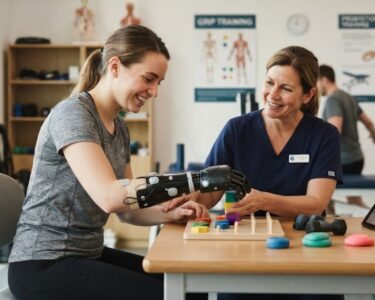
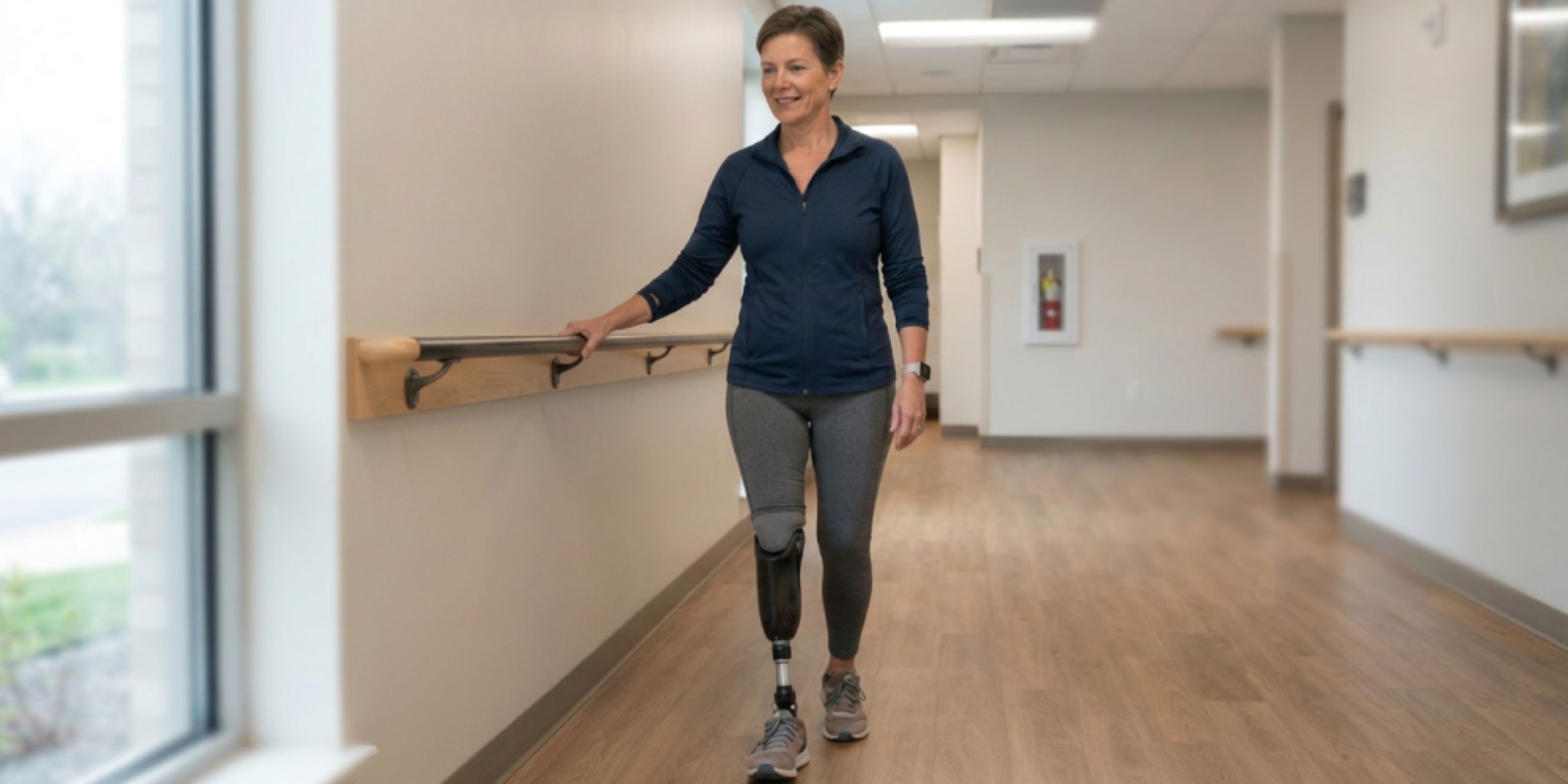
Yes. Building strength and improving balance can make everyday movements more controlled. Physiotherapy may include gait training, balance exercises, strengthening work, stepping practice and techniques for handling different surfaces.
Training may focus on movements such as:
- Shifting weight from side to side
- Taking controlled steps
- Turning safely
- Standing up and sitting down
- Walking on different surfaces
- Negotiating curbs and stairs
- Recovering balance after a small loss of stability
The right exercises depend on your level of mobility, prosthetic configuration and overall health. A physiotherapist can create a program that is appropriate for you rather than relying on generic exercises. Indian health guidance recommends physiotherapy as part of fall prevention and rehabilitation following amputation.
Why Is Regular Practice Important?
Confidence often improves when difficult movements are practised in a controlled environment. Instead of waiting until you encounter a challenging situation outdoors, work on relevant skills with your rehabilitation professional. For example, practising turns, steps and changes in direction in a safe setting can help you become more comfortable before performing them in a busy public area.
What Home Changes Can Help Prevent Falls?
Many falls can be linked to the environment rather than the prosthesis itself. Small changes around the home can make everyday movement safer. Remove or secure loose rugs and mats, keep electrical cords away from walkways and arrange furniture so that there is enough space to move comfortably. Clean spills promptly and keep outdoor items such as hoses stored safely.
Lighting deserves particular attention. Hallways, bathrooms, entrances and stairways should be adequately illuminated. Night lights or sensor lights can be useful, especially when moving around after dark.
How Can Bathroom Safety Be Improved?
Bathrooms can present additional risks because water can make surfaces slippery. Depending on your needs, useful measures may include:
- Secure grab rails
- Suitable non-slip surfaces
- A shower chair or bath seat
- Clear access to the bathroom
- Good lighting
- Keeping frequently used items within easy reach
An occupational therapist can assess your home and recommend equipment or modifications that suit your mobility needs.
Simple Fall Risks And Practical Prevention
| Fall Risk | Common Example | Practical Prevention |
| Slippery surface | Wet bathroom floor | Clean spills promptly and use suitable slip-resistant surfaces |
| Trip hazard | Loose rug or electrical cord | Remove, secure or reposition the hazard |
| Poor visibility | Dark hallway at night | Install suitable lighting or night lights |
| Prosthetic fit problem | Socket movement or discomfort | Arrange a professional prosthetic assessment |
| Uneven surface | Rough outdoor path | Practise surface changes safely and slow down |
| Fatigue | Walking when exhausted | Take breaks and use appropriate support |
| Balance difficulty | Turning or reaching | Practise balance and movement strategies with a physiotherapist |
How Important Is Footwear When Using A Prosthetic Leg?
Footwear can affect traction, comfort and the way a prosthesis functions. Choose shoes that fit comfortably and provide appropriate grip for the environment. It is also important to consider consistency. Changing between footwear with significantly different heel heights can affect prosthetic alignment. Guidance recommends appropriate, comfortable footwear and avoiding changes that may alter prosthetic alignment. Keep an eye on worn soles as well. Shoes that no longer provide adequate traction may increase the likelihood of slipping.
Should You Walk Barefoot Or In Socks?
Do not assume that one footwear option is suitable for everyone. Prosthetic designs and individual needs vary, so follow the recommendations provided by your prosthetist and rehabilitation team.
How Do Fatigue, Pain And Other Health Factors Increase Fall Risk?
Walking with a prosthetic leg can require concentration and physical effort. When you become tired, your movement may become less controlled. Pain can also affect the way you control the prosthesis and may increase the likelihood of a fall.
Other factors deserve attention too. Some medications can cause dizziness, drowsiness or fainting, while vision problems can make hazards harder to notice. Do not stop or change prescribed medication without discussing it with your doctor. Listen to your body. Taking a break when you are tired is often safer than pushing through when your balance or concentration has noticeably declined.
Why Should You Avoid Rushing?
Rushing can make ordinary movements surprisingly risky. Getting up quickly, hurrying to answer the phone or rushing to the bathroom can leave less time to establish balance. Stand up carefully, make sure you feel stable and then begin walking. If you are unsure about your balance, ask for assistance.
How Can You Stay Safer On Stairs And Uneven Surfaces?
Changes in terrain require greater attention. Curbs, stairs, ramps, wet surfaces and uneven ground can all challenge balance. Use available handrails and give yourself enough time to place the prosthetic foot securely. Avoid carrying objects that prevent you from using a handrail when one is available.
Difficult surfaces should ideally be practised under professional guidance before attempting them independently. Rehabilitation can help develop the strength, confidence and movement strategies required for these situations.
Can A Walking Aid Help Reduce Fall Risk?
A walking aid can provide additional support when you feel unstable, tired or less confident. Depending on individual needs, this may include a walking stick, crutches, a walking frame or a wheelchair for particular situations.
Using an assistive device does not mean you have failed to use your prosthesis. It can be a practical way to conserve energy or improve safety when conditions are challenging. Indian resources recommend considering suitable assistive devices when a person feels unsafe or tired. The important point is choosing the correct device and learning how to use it properly. A physiotherapist or rehabilitation professional can provide guidance.
What Should You Do If You Fall While Wearing A Prosthetic Leg?
A fall can be frightening, and the first instinct may be to get up immediately. Try not to rush. First, take a moment to catch your breath and assess how you feel. Check for significant pain, bleeding or other signs of injury. If you believe you may have a serious injury, seek appropriate medical assistance rather than forcing yourself to stand.
If you are able to move safely, check whether the prosthesis appears damaged or has changed position. Do not continue using it if it is clearly damaged or functioning abnormally until it has been assessed. Learning floor-recovery techniques before a fall occurs can also make a major difference. A physiotherapist can teach you a safe method suited to your strength, mobility and prosthetic setup.
When Should You Seek Medical Help After A Fall?
Seek medical attention when a fall results in severe pain, suspected fracture, significant bleeding, head injury, major swelling, new numbness or an inability to stand safely. Even when an injury does not appear serious, contact your healthcare team if you notice a new problem with your residual limb, intact limb or prosthesis after the fall.
How Can You Build Confidence After A Fall?
Fear after a fall is normal. The goal should not be to avoid all movement, but to understand what happened and reduce the chance of it happening again. Think about where the fall occurred and what you were doing immediately beforehand. Were you tired? Was the floor slippery? Did the socket feel different? Were you turning, reaching or rushing?
Keeping a simple record of falls and near-falls can help identify patterns. These details can then be discussed with your prosthetist, physiotherapist or rehabilitation team. Gradually rebuilding confidence through supervised practice can be more useful than forcing yourself back into difficult situations too quickly.
When Should You Ask A Prosthetist Or Physiotherapist For Help?
Professional support is especially important when falls are becoming frequent or your walking has changed. A prosthetist can assess socket fit, alignment, suspension and prosthetic components, while a physiotherapist can work on gait, balance, strength, movement strategies and rehabilitation. For those exploring suitable prosthetic options, working with an experienced below knee prosthesis limbs products manufacturer in India can also help ensure the right components are considered for individual mobility needs. An occupational therapist can review your home environment and suggest equipment or modifications to improve safety.
You should consider professional assessment when:
- Your socket no longer feels secure
- Pain affects your walking
- Your balance has changed
- You experience repeated falls
- The prosthesis makes unusual sounds or movements
- You struggle with stairs or uneven surfaces
- You have lost confidence after a fall
Take The Next Step With Greater Confidence
Choosing the right prosthetic components can make an important difference to comfort, stability and everyday mobility. At PROACTIVE Technical Orthopaedics, we focus on practical prosthetic solutions designed around individual needs, helping users move with greater confidence and support.
Looking for reliable expertise and quality prosthetic solutions? Talk to our prosthetic team to discuss your requirements with our team and explore suitable options from a trusted prosthetic feet manufacturer in India. Your next step deserves the right support.
Frequently Asked Questions
Can A Poorly Fitted Prosthetic Leg Increase The Risk Of Falls?
Yes. A poor socket fit can affect comfort, control and stability while walking. Changes in fit should be discussed with a prosthetist, particularly when discomfort or unusual movement persists.
How Can I Improve My Balance With A Prosthetic Leg?
Balance can be improved through an appropriate rehabilitation program that may include strength, gait, balance and movement training. A physiotherapist can tailor the program to your abilities and prosthetic needs.
What Type Of Footwear Is Best With A Prosthetic Leg?
Comfortable footwear with suitable traction is important. The footwear should also be compatible with your prosthesis because significant changes in shoe height can affect alignment. Your prosthetist can advise you on suitable options.
What Should I Do If I Fall While Wearing A Prosthetic Leg?
Take a moment to assess yourself rather than trying to stand immediately. Check for signs of injury and seek assistance when necessary. A physiotherapist can also teach safe floor-recovery techniques before a fall occurs.
Can A Walking Aid Be Used With A Prosthetic Leg?
Yes. A suitable walking stick, crutch, frame or wheelchair can provide additional support in situations where you feel tired or unsteady. A healthcare professional can help determine which option and technique are appropriate for you.
How Often Should A Prosthetic Leg Be Checked For Safety?
Regular professional reviews are important, especially when there are changes in fit, comfort or function. You should also monitor the prosthesis for unusual wear or problems and contact your prosthetist when concerns arise.
What Should I Do If My Prosthetic Leg Feels Unstable?
Stop walking when it is safe to do so and sit down or hold onto a stable support. Check whether the socket, suspension or footwear feels different, but do not attempt to adjust prosthetic components yourself. Contact your prosthetist if the instability continues or occurs repeatedly.
Can Fatigue Increase The Risk Of Falling With A Prosthetic Leg?
Yes. Tiredness can affect concentration, balance and control while walking. Take regular breaks, avoid rushing and consider using an appropriate mobility aid when you feel less steady. Speak with your rehabilitation team if fatigue is frequent or significantly affects your mobility.
How Can I Make Stairs Safer With A Prosthetic Leg?
Use handrails whenever possible, take your time and place each foot securely before moving to the next step. Avoid carrying items that prevent you from using the rail. A physiotherapist can teach you safe stair techniques suited to your prosthesis and level of mobility.
Should I Stop Using My Prosthetic Leg After A Fall?
Not necessarily, but you should first check yourself and the prosthesis for signs of injury or damage. Do not continue using the prosthesis if it appears damaged, feels significantly different or functions abnormally. Arrange a professional assessment before resuming use if you have concerns.
Can Home Modifications Help Prevent Falls With A Prosthetic Leg?
Yes. Removing loose rugs, securing cords, improving lighting and installing suitable bathroom supports can reduce common hazards. An occupational therapist can assess your home and recommend modifications based on your individual needs.