

Choosing the right prosthetic specialist is one of the most important decisions for individuals living with limb loss. A qualified and experienced prosthetist can greatly improve comfort, mobility, independence, and overall quality of life. Since prosthetic care is a long-term journey, selecting the right professional ensures better rehabilitation, proper fitting, and continuous support throughout the recovery process.
Modern prosthetic technology has advanced significantly, offering highly customized solutions for patients of all ages and lifestyles. However, the effectiveness of a prosthetic limb depends not only on the device itself but also on the expertise of the specialist who designs and fits it.
This guide explains the key factors to consider when choosing the right prosthetic specialist.
Who Is a Prosthetic Specialist?
A prosthetic specialist, also known as a prosthetist, is a trained healthcare professional who designs, fits, and maintains prosthetic limbs for individuals who have experienced limb loss.
Their responsibilities include:
- Evaluating the patient’s physical condition
- Designing customized prosthetic solutions
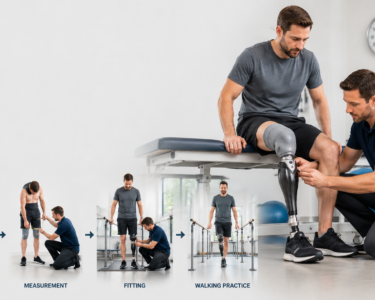
- Ensuring proper fitting and alignment
- Making adjustments and repairs
- Assisting with rehabilitation and mobility training
- Providing long-term patient support
A skilled prosthetist works closely with patients to help them regain mobility, comfort, and confidence in daily life.
Why Choosing the Right Prosthetist Is Important
Every patient has unique needs, goals, and physical requirements. Some individuals may want to return to sports and active lifestyles, while others may focus on improving everyday mobility and comfort.
The right prosthetic specialist can help patients:
- Improve movement and balance
- Reduce pain and discomfort
- Enhance posture and walking ability
- Increase independence and confidence
- Adapt more quickly to a prosthetic limb
- Achieve better long-term rehabilitation outcomes
Choosing the wrong specialist may lead to improper fitting, discomfort, limited functionality, and repeated adjustments.
Check Qualifications and Certifications
The first step in choosing a prosthetic specialist is verifying their qualifications and certifications. Certified prosthetists undergo specialized education and clinical training to provide safe and effective prosthetic care.
Professional Certifications
A certified prosthetist follows recognized industry standards and best practices for patient care. Certifications indicate that the specialist has completed proper training and maintains professional competency.
Clinical Training
Hands-on clinical experience is essential in prosthetic care. Proper training helps specialists understand different amputation levels, patient challenges, and prosthetic fitting techniques.
Continued Education
The field of prosthetics is constantly evolving. The best specialists regularly update their knowledge through workshops, seminars, and advanced training programs.
Qualified professionals are more likely to provide accurate fittings and advanced treatment solutions.
Evaluate Their Experience
Experience plays a major role in prosthetic care. An experienced specialist is better equipped to handle complex cases and provide personalized solutions.
Years of Practice
A prosthetist with years of experience often has a deeper understanding of patient needs, rehabilitation methods, and prosthetic technologies.
Area of Specialization
Some specialists focus on:
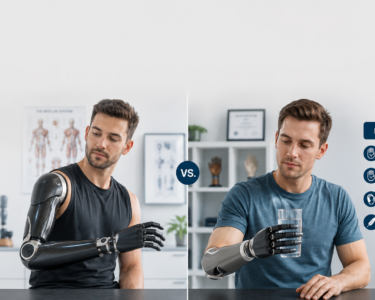
- Upper limb prosthetics
- Lower limb prosthetics
- Sports prosthetics
- Pediatric prosthetics
- Advanced robotic or bionic limbs
Choosing a specialist with expertise related to your condition can improve treatment outcomes significantly.
Experience With Similar Cases
Ask whether the prosthetist has worked with patients who share similar needs or mobility goals. Specialists familiar with similar cases may better understand your expectations and challenges.
Look for Personalized Care
Every patient’s lifestyle and rehabilitation goals are different. A good prosthetic specialist should provide personalized treatment rather than using a one-size-fits-all approach.
Understanding Your Lifestyle
Your prosthetic limb should support your daily routine and long-term goals. Whether you are active in sports, work professionally, or simply want better mobility, your prosthetic solution should match your lifestyle.
Listening to Patient Concerns
A caring specialist takes time to understand your comfort levels, expectations, and mobility challenges. Open communication improves overall treatment success.
Customized Prosthetic Solutions
Personalized prosthetics improve comfort, mobility, and usability. Proper customization helps patients feel more natural and confident while using their prosthetic limb.
Assess the Clinic’s Technology
Modern prosthetic clinics use advanced technology to improve fitting accuracy and patient outcomes.
Digital Scanning Technology
Digital scanning creates highly accurate measurements and improves the overall fit of the prosthetic socket.
3D Printing Capabilities
3D printing enables faster customization and precise prosthetic manufacturing.
Advanced Prosthetic Systems
Leading clinics may offer advanced prosthetic technologies such as:
- Microprocessor-controlled knees
- Smart prosthetics
- Lightweight carbon fiber limbs
- Robotic prosthetic solutions
Advanced technology can significantly enhance comfort, mobility, and functionality.
Read Patient Reviews and Testimonials
Patient reviews provide valuable insights into the quality of care offered by a prosthetic clinic.
Look for Positive Patient Experiences
Pay attention to reviews mentioning:
- Comfortable fittings
- Professional behavior
- Good communication
- Effective rehabilitation support
- Long-term patient satisfaction
Positive testimonials often indicate reliable and compassionate care.
Check Online Ratings
Online platforms and clinic websites can help you understand the clinic’s reputation and overall patient experience.
Ask About Follow-Up Support
Prosthetic care does not end after receiving the limb. Over time, adjustments and maintenance are necessary to maintain comfort and performance.
Regular Follow-Up Appointments
Routine appointments help ensure the prosthetic limb continues to fit properly as the body changes over time.
Maintenance and Repairs
Quick repair and maintenance services are essential for long-term usability and convenience.
Ongoing Rehabilitation Support
Patients may require additional mobility training, physical therapy, and support after receiving their prosthetic limb.
Long-term care plays an important role in successful rehabilitation.
Evaluate Communication and Comfort
A strong patient-specialist relationship is important during the recovery process.
Clear Communication
A good prosthetist should explain procedures, prosthetic options, and rehabilitation plans in simple and understandable language.
Patient Involvement
Patients should feel involved in decision-making regarding their prosthetic care and treatment options.
Compassionate Support
Recovery after limb loss can be physically and emotionally challenging. A supportive and understanding specialist can make the journey easier and more comfortable.
Consider Rehabilitation Services
Some prosthetic clinics work closely with rehabilitation therapists and physiotherapists to provide comprehensive care.
Gait Training
Gait training helps patients learn proper walking techniques while using their prosthetic limb.
Strength and Balance Exercises
Physical therapy improves muscle strength, coordination, and balance.
Daily Activity Training
Patients receive guidance on performing everyday activities comfortably and safely.
Comprehensive rehabilitation services often lead to better long-term mobility and independence.
Compare Costs and Insurance Coverage
Prosthetic limbs vary in cost depending on the technology, materials, and customization involved.
Understand the Total Cost
Ask for a detailed breakdown of costs, including:
- Prosthetic fitting
- Follow-up appointments
- Adjustments
- Maintenance services
Insurance Assistance
Some clinics help patients with insurance claims and documentation processes.
Flexible Payment Options
Payment plans and financing options can make prosthetic care more accessible and affordable.
Transparent pricing helps patients avoid unexpected expenses later.
Interact With the Staff
Friendly and supportive staff members contribute to a more comfortable treatment experience.
Finding the Right Support for Long-Term Mobility
Choosing the right prosthetic specialist is a critical step toward achieving comfort, mobility, and independence after limb loss. The best prosthetist combines technical expertise, advanced technology, personalized care, and compassionate support to help patients regain confidence and improve their quality of life.
Take time to research qualifications, evaluate experience, read patient reviews, and visit clinics before making your decision. A trusted prosthetic specialist can make a significant difference in your rehabilitation journey and help you adapt successfully to life with a prosthetic limb.
Working with the best prosthetics manufacturer in India can also ensure access to high-quality materials, advanced prosthetic technology, and reliable long-term support for better mobility and comfort.
With proper guidance and ongoing support, modern prosthetics can empower individuals to live active, fulfilling, and independent lives.
Questions to Ask a Prosthetic Specialist
Before making your final decision, consider asking the following questions:
What Prosthetic Options Are Best for My Lifestyle?
This helps determine whether the specialist understands your mobility goals and activity level.
How Long Will the Fitting Process Take?
Understanding the timeline helps patients prepare for the rehabilitation process.
How Often Will Adjustments Be Needed?
Regular adjustments are common during the adaptation phase.
What Rehabilitation Services Do You Offer?
Comprehensive rehabilitation support improves recovery outcomes.
What Maintenance Will the Prosthetic Require?
Proper maintenance ensures long-term durability and performance.