

Explore running capabilities with prosthetic legs, required training, prosthetic selection, and realistic expectations for athletic performance.
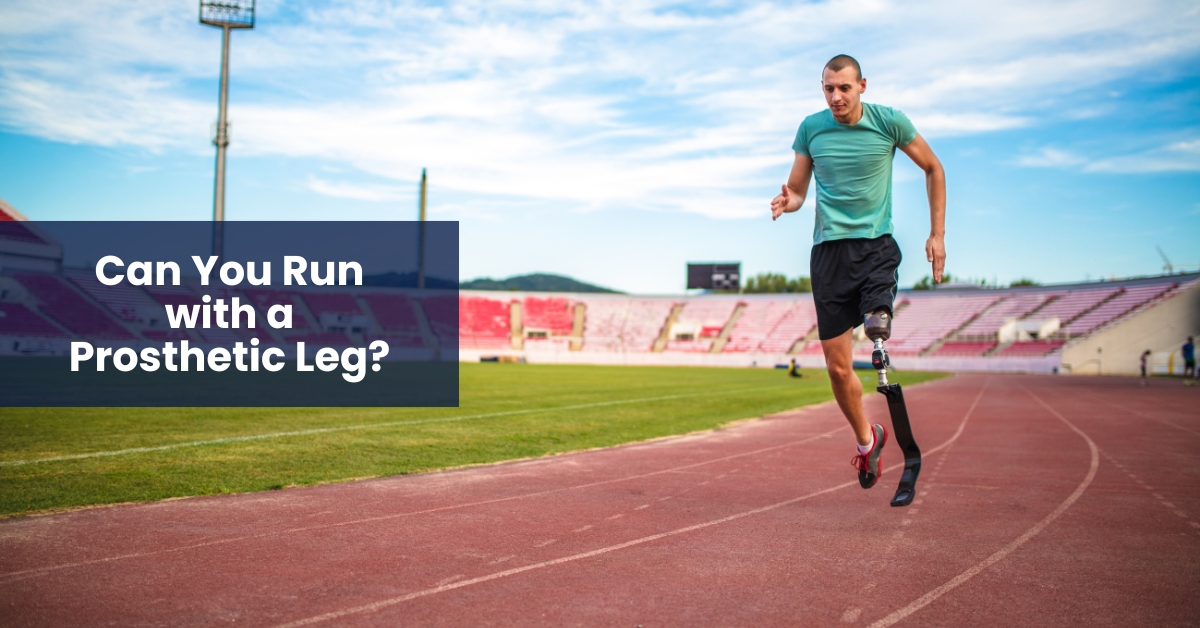
Many active amputees ask whether they can return to running. The answer is definitively yes—many amputees run competitively and recreationally with prosthetic legs. However, running with a prosthetic differs from running with biological legs, requiring specialized prosthetics, significant training, and adjusted expectations about speed and distance. Understanding what's possible helps you set realistic goals and commit to training.
Prosthetic Requirements for Running
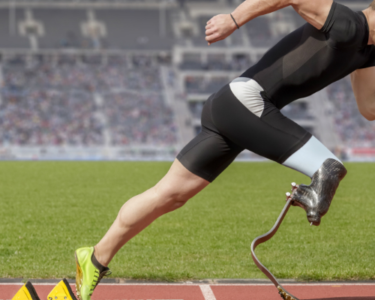
Standard prosthetic legs are not suitable for running; specialized running prosthetics are essential. Running prosthetics feature lightweight designs, responsive materials, and enhanced shock absorption. Carbon fiber composites provide strength with minimal weight. Specialized running feet use spring mechanisms that store and release energy, propelling you forward. These feet mimic the biological foot's function during running—absorbing impact, storing energy, and releasing it propulsively. Prosthetics designed for running cost $8,000-$20,000, substantially more than everyday prosthetics. Most runners maintain multiple prosthetics—everyday prosthetics for daily activities and specialized running prosthetics for athletic pursuits. This approach protects expensive running prosthetics from daily wear while optimizing function for each use.
Training Requirements and Progression
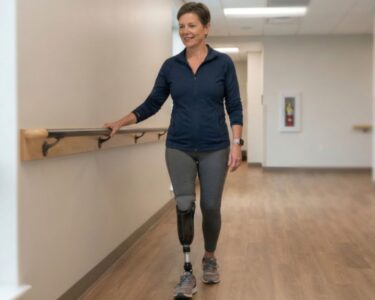
Running with a prosthetic requires extensive training and gradual progression. Begin with walking on flat, even surfaces, building endurance and confidence. Progress to treadmill walking, which provides controlled conditions and allows speed variation. Walking on varied terrain—hills, grass, uneven ground—builds strength and proprioception. Running training begins slowly, typically alternating running and walking intervals. Many runners start with 30-60 second running intervals, walking between intervals. As fitness improves and prosthetic confidence grows, running intervals extend while walking intervals shorten. Progressive training over several months develops the strength, cardiovascular fitness, and neuromuscular adaptation necessary for sustained running. Rushing this process causes injury and frustration. Most people train 3-6 months before comfortable running at steady pace. Continued training over 6-12 months improves significantly.
Impact on Energy Expenditure and Speed
Running with a prosthetic requires substantially more energy than running with biological legs. Studies show prosthetic running expends 30-50% more energy than non-amputee running at similar speeds. This means you'll experience greater fatigue covering the same distance. Running speed is typically slower; competitive runners achieve 70-80% of non-amputee speed at the same effort level. For recreational runners, the difference matters less—you're exercising for health and enjoyment, not speed records. Heart rate responses are similar to non-amputees at the same effort level, meaning you achieve cardiovascular benefit despite lower speeds. Over time, training improves efficiency and reduces relative energy expenditure. Many runners report running becomes easier and faster with continued training, though absolute speed typically remains lower than pre-amputation levels.
Different Amputation Levels and Running Capability
Below-knee amputees generally achieve better running outcomes than above-knee amputees. BK runners retain natural knee control and proprioception, making running feel more intuitive. Many BK runners achieve speeds and distances comparable to recreational non-amputee runners. BK amputees participate in marathons, trail running, and competitive athletics. Above-knee amputees face greater challenges because running requires control of both knee and ankle prosthetic components. Running with AK prosthetics demands greater neuromuscular control and effort. However, many AK runners successfully complete marathons, triathlons, and competitive events. Advanced microprocessor knees and modern running prosthetics have made AK running increasingly accessible. Motivation, training commitment, and prosthetic quality matter more than amputation level for determining running capability.
Injury Risks and Prevention
Running with a prosthetic carries injury risks that should be managed carefully. Overuse injuries—stress fractures, tendonitis, muscle strains—can occur in your intact leg from compensatory stress. Prosthetic-related injuries include socket problems from impact forces, component failure, or alignment issues. Skin problems on your residual limb can worsen from increased sweating and prosthetic movement during running. Prevent injuries by progressing gradually, allowing adequate recovery between runs, maintaining proper form, and addressing any pain or discomfort immediately. Work with a prosthetist experienced in athletic prosthetics who can optimize fit for running. Work with a physical therapist if pain develops. Don't push through pain; back off intensity and allow time for healing. Proper warm-up and cool-down are important. Strengthening exercises for your intact leg and residual limb improve injury resistance.
Mental and Psychological Aspects of Running
Running with a prosthetic offers significant psychological benefits beyond fitness. Many amputees report that returning to running provides profound psychological healing and reclaimed identity. Running represents returning to normal activities and defying amputation limitations. Competitive running offers community—many running groups and competitions welcome amputee runners. Shared experience with other athlete amputees provides motivation and inspiration. The goal-setting and achievement aspects of training provide purpose and direction. Some runners report running is meditative—a time to process emotions and find peace. Others focus on competitive achievement. The psychological benefits often exceed the physical fitness benefits. Discussing goals with your prosthetist and rehabilitation team helps align training with your personal motivations.
Realistic Expectations and Goal-Setting
Set realistic expectations for running with prosthetics. You likely won't run at your pre-amputation speed or distance. You will probably experience greater fatigue. Recovery time between runs may be longer. However, you can achieve significant running capability—many amputees run 5Ks, 10Ks, half-marathons, and marathons. Recreational running at comfortable pace is achievable for most motivated amputees. Competitive racing is possible but requires more training and potentially faster prosthetics. Focus on personal goals rather than comparing to non-amputee performance. Celebrate improvements in your own performance—running a faster 5K than last month matters more than speed compared to non-amputees. Consider training for events like marathons with other amputees or adaptive athlete groups. These communities provide support and motivation that makes training more enjoyable.
Pursuing Your Athletic Goals With Prosthetics
Running with a prosthetic is possible with the right equipment and training. Proactive Technical Orthopaedics, India's best prosthetics manufacturer, specializes in athletic prosthetics and rehabilitation. Our team helps athletes of all levels return to their favorite activities. Contact us to discuss your running goals.