
Summary
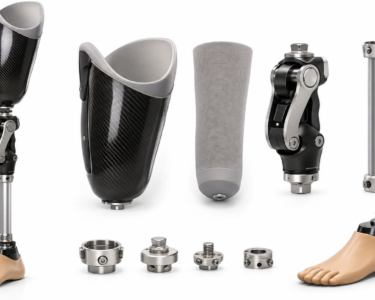
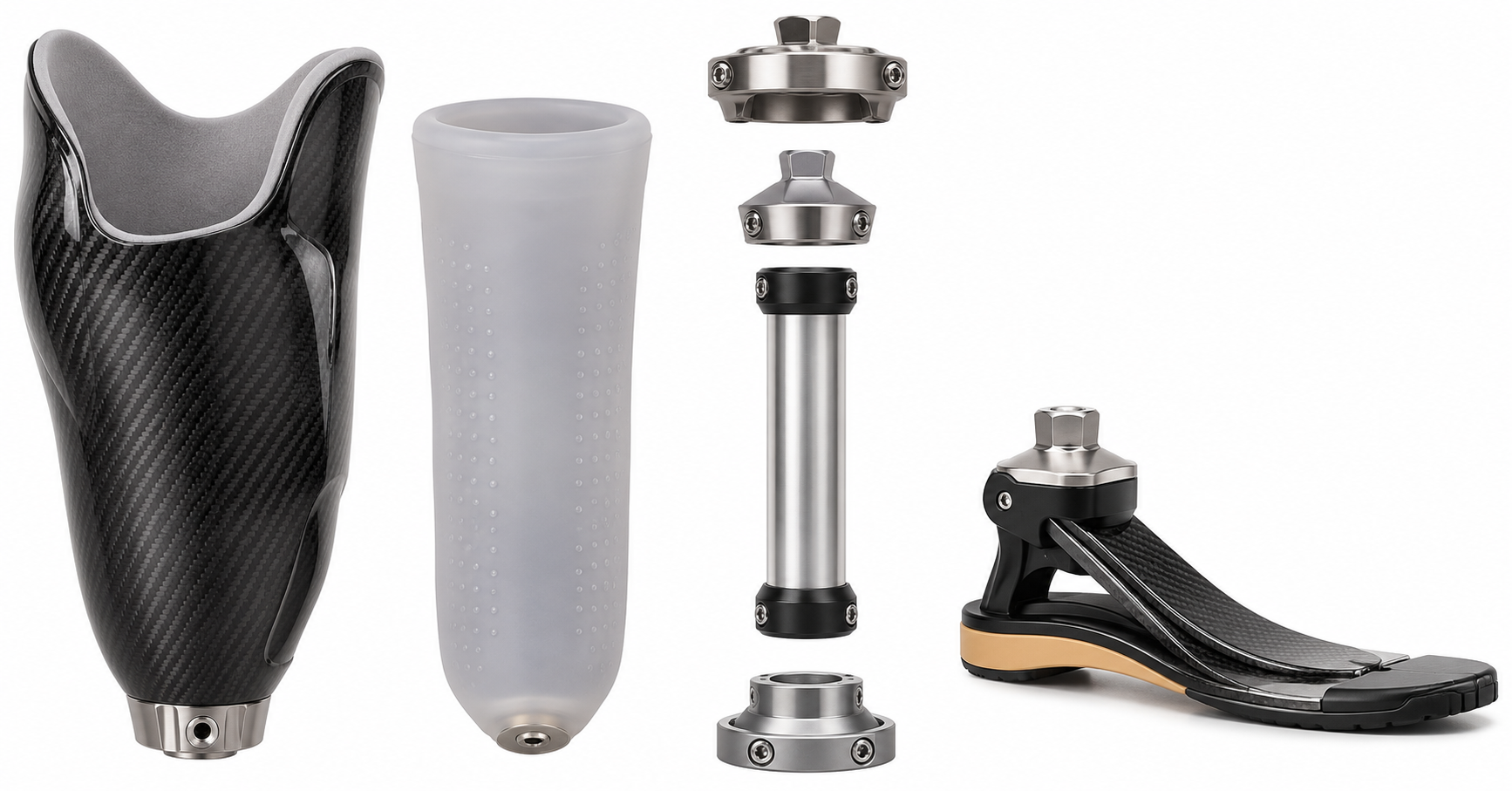
| A below-knee prosthetic kit usually provides the modular structural components that connect a custom socket to a prosthetic foot. Depending on the kit, this may include a socket adapter, tube clamp adapter, short pylon and foot adapter. The socket, liner, suspension and foot may be selected separately, so buyers should confirm exactly what is and is not included before comparing prices. |
A below-knee prosthesis is simpler than an above-knee system because the user retains the natural knee, but component selection still matters. The kit determines how the socket connects to the pylon and foot, how much the structural system weighs and how much adjustment the prosthetist has during alignment. Protech Ortho offers several modular below-knee kit configurations in economic, export-quality and lightweight material options.
What Does “Below-Knee Prosthetic Kit” Mean?
A modular kit is a group of compatible structural components used to build the lower section of a transtibial prosthesis. It is not necessarily a complete ready-to-wear artificial leg. A custom socket still has to be made for the residual limb, and the foot, liner and suspension may be chosen separately.
Protech Ortho’s below-knee prosthetic kit range includes configurations built from casting steel, stainless steel, aluminium and titanium-based parts with different weight ratings.
Core Component 1: Socket Adapter
The socket adapter connects the custom socket to the modular hardware below it. Different designs include draping or lamination adapters, fixed pyramids, rotatable pyramids and flat plate connections. The selected adapter must match the socket fabrication method and alignment requirements.
Core Component 2: Tube Clamp Adapter
The tube clamp connects the pylon to the rest of the structure and allows the prosthetist to adjust height and rotation. Pyramid-based clamp systems also provide angular alignment. These small adjustments can change foot position, socket pressure and walking symmetry.
Core Component 3: Short Pylon
The pylon is the structural tube that carries load between the socket and foot. Protech Ortho’s kits use short pylons with integrated adapters. Material choice affects weight and strength, while pylon length is adjusted during fabrication.
Core Component 4: Foot Adapter
The foot adapter connects the pylon to the prosthetic foot. Compatibility matters because not every foot uses the same attachment. Confirm the connection type before selecting a prosthetic foot upgrade.
What Is Usually Not Included?
A kit listing may not include the custom socket, silicone liner, suspension sleeve or shuttle lock, prosthetic foot, cosmetic cover or clinical fitting. Always read the product description carefully. Protech Ortho’s listed modular kits focus primarily on structural components.
Economic vs Export-Quality vs Lightweight Kits
Economic kits often use casting steel and aluminium, providing a cost-effective structural solution. Export-quality kits may use stainless steel for strength and corrosion resistance. Premium lightweight kits can use titanium and aluminium to reduce weight while increasing body-weight capacity.
For example, Protech Ortho currently lists below-knee kits ranging from around 302 g to more than 450 g for the structural set, with different models rated from 80 kg up to 125 kg. Those specifications make material selection a meaningful buying factor.
Choose by Body-Weight Rating
Never select a kit whose rated maximum is close to or below the user’s body weight. Consider normal carried loads as well. The prosthetist should verify the rating of every component in the system, including adapters and the foot.
Choose by Activity and Environment
A user who mainly walks indoors may prioritize cost and simple maintenance. A community walker may value lower weight and corrosion resistance. Someone working outdoors may need stronger components and easy access to parts. The kit should support the expected foot and overall activity level.
Socket and Suspension Still Determine Comfort
A premium titanium kit cannot fix an uncomfortable socket. Protech Ortho’s custom socket and liner fitting service should be considered together with the kit so the structural hardware is aligned beneath a comfortable interface.
Ask About Future Upgrade Compatibility
If you may later change to a carbon foot or another suspension method, ask whether the modular connections make that practical. Standard pyramid systems can make future upgrades easier, but each component must still be compatible and professionally aligned.
What to Ask for in a Quote
Ask the supplier to list the kit code, materials, component weights, maximum body-weight limit, exact included parts, foot and liner selections, socket fabrication, alignment, gait training, follow-up and warranty. This prevents a low kit-only price from being mistaken for the price of a complete leg.
How to Compare Two Below-Knee Kit Quotes
Ask both suppliers to list the exact part numbers rather than using broad labels such as “export kit” or “titanium kit.” Compare socket adapter type, tube clamp, pylon material, foot adapter, total structural weight and the maximum user-weight rating. Then add the cost of the foot, liner, shuttle lock or sleeve, socket fabrication and clinical fitting. Only after those items are included are you comparing like with like.
Which Kit Material Should You Choose?
Casting steel is appropriate when economy and robustness matter more than minimum weight. Stainless steel can provide a stronger, corrosion-resistant step up. Titanium and aluminium combinations are attractive for users who want a lighter prosthesis or have higher activity demands, but there is little value in paying for premium structural material if the selected foot and socket remain basic. Balance the entire system.
Below-Knee Kit Buyer Checklist
Confirm the user weight plus carried loads; preferred foot type; socket fabrication method; suspension system; pylon and adapter material; total height available; warranty; spare-part availability; and whether alignment changes are included after delivery. If the user expects to upgrade to a carbon foot later, tell the prosthetist now so the modular configuration can be planned with future compatibility in mind.
Why Clinical Assembly Matters
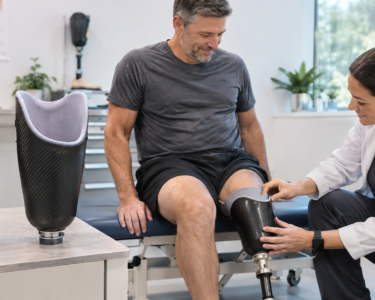
A set of compatible parts is not yet a functional prosthesis. The socket has to be aligned over the foot so the user can load it comfortably, roll over the toe and maintain knee control. Even a small adapter angle can alter pressure in the socket. That is why a kit should be assembled and aligned by a trained prosthetic professional, not treated as a self-install product.
How Foot Choice Changes the Kit Decision
The same below-knee structural kit can feel very different depending on the foot attached below it. A basic SACH foot keeps the system simple and economical. A carbon foot may justify lighter adapters and more precise dynamic alignment. If the user is likely to move from a basic foot to a higher-activity option in the next year, discuss that before fabrication so the prosthetist can select compatible adapters and preserve enough build space. Planning ahead can reduce the cost of later changes.
Service and Spare Parts Matter
A modular kit is valuable partly because individual pieces can be replaced. Ask whether socket adapters, tube clamps, pylons and foot adapters are stocked locally, whether the clinic has the correct torque tools and how warranty claims are handled. For a user who depends on the prosthesis for work, a small readily available replacement part can be more important than a slightly lighter imported component that takes weeks to source.
Choose the Kit as a Structural Platform, Not as the Whole Prosthesis
A below-knee kit gives the prosthetist the structural building blocks for alignment, but the final result also depends on socket fit, suspension and foot choice. Compare material, weight rating, adapter design and upgrade compatibility, then combine the kit with a professional fitting through Protech Ortho clinical services.
Frequently Asked Questions
Does a below-knee kit include the socket?
Not always. Many modular kits contain structural adapters and pylon components; the custom socket is fabricated separately.
Does it include the foot?
It depends on the kit. Protech Ortho’s structural kit listings should be checked against the selected foot configuration.
Which material is lightest?
Titanium-based configurations are often among the lightest while maintaining high strength.
Is stainless steel better than casting steel?
It can provide better corrosion resistance and strength, but it usually costs more.
What body-weight limit should I choose?
Choose a system rated comfortably above the user’s actual weight and normal carried loads.
Can I use a carbon foot with a below-knee kit?
Usually yes if the connections and weight/activity ratings are compatible.
Do I need a silicone liner?
Not every socket uses one, but many modern transtibial systems use silicone or gel liners for interface and suspension.
Can the pylon height be adjusted?
Yes, the pylon is cut and aligned during fabrication by the prosthetist.
Can I upgrade the kit later?
Modular systems are designed to allow component changes, but compatibility and alignment must be checked.
Where can I see Protech kit specifications?
Review the below-knee kit page and request a clinical quote.
Medical & Fitting Note
This article is general educational and buying guidance. Prosthetic components, sockets and suspension systems must be selected and fitted by qualified prosthetic professionals based on individual clinical assessment. Prices and product availability can change; request a current quote before purchase.