
Summary
| A prosthetic socket should be replaced when fit changes can no longer be safely managed through socks, pads or minor adjustments. Warning signs include persistent pain, skin breakdown, excessive pistoning, major weight or residual-limb volume change, repeated rotation and difficulty controlling the prosthesis. Replacement cost varies because the socket is custom fabricated and may also require a new liner or suspension system. |
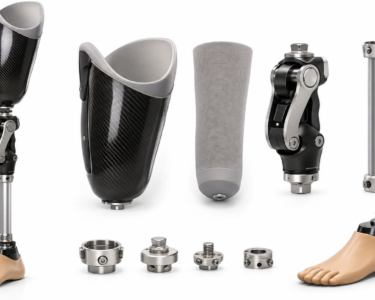
The socket is the most personal part of a prosthesis because it is shaped around the residual limb. Unlike a foot or knee that can be selected from a catalogue, the socket changes with the body. Weight loss, weight gain, muscle changes, swelling and tissue maturation can all make a previously comfortable socket feel wrong. Knowing when to adjust and when to replace can prevent skin injury and poor walking habits.
Sign 1: Persistent Pain or Pressure
A socket should feel secure, but it should not create sharp, burning or persistent pressure. Temporary redness may occur after wear, but redness that does not fade, blisters or open areas need attention. Pain is not a normal price of wearing a prosthesis.
Sign 2: Too Much Pistoning
Pistoning is up-and-down movement of the residual limb inside the socket. It can pull on the skin and reduce control. Small volume changes can sometimes be managed with socks or pads, but increasing sock ply over time may indicate that the socket is now too large.
Sign 3: Socket Rotation or Loss of Control
If the socket rotates during walking, the foot may turn in or out and the user may feel unstable. Suspension problems can cause rotation, but significant residual-limb volume loss may require a new socket shape rather than simply tightening a strap or sleeve.
Sign 4: Major Weight or Volume Change
Changes in body weight, swelling, muscle development and post-amputation maturation can alter socket fit. Early after amputation, volume can change rapidly. Later, a significant weight change can again make the socket too loose or tight.
Sign 5: Skin Breakdown
Repeated blisters, abrasions, ulcers or pressure wounds require clinical review. The cause may be fit, liner wear, hygiene, alignment or medical factors. Do not continue using padding as a long-term workaround without identifying the cause.
Sign 6: You Need More and More Socks
Prosthetic socks are useful for daily volume changes, but a steady increase in ply can be a sign that the socket is no longer matching the limb. There is no single sock-ply number that automatically means replacement; the prosthetist evaluates control, pressure and total fit.
When an Adjustment May Be Enough
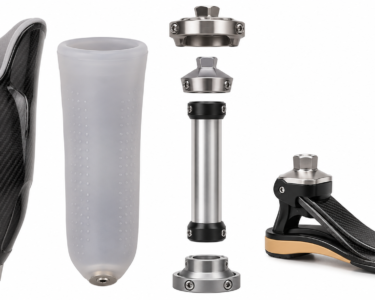
Minor fit changes can sometimes be managed by adding pads, modifying socket relief areas, replacing a worn liner, adjusting suspension or changing alignment. This can extend socket life without fabricating a completely new socket.
Protech Ortho provides silicone liner and custom socket fitting, so the assessment can distinguish between a liner problem, suspension problem and socket-shape problem.
When Replacement Is Usually the Better Option
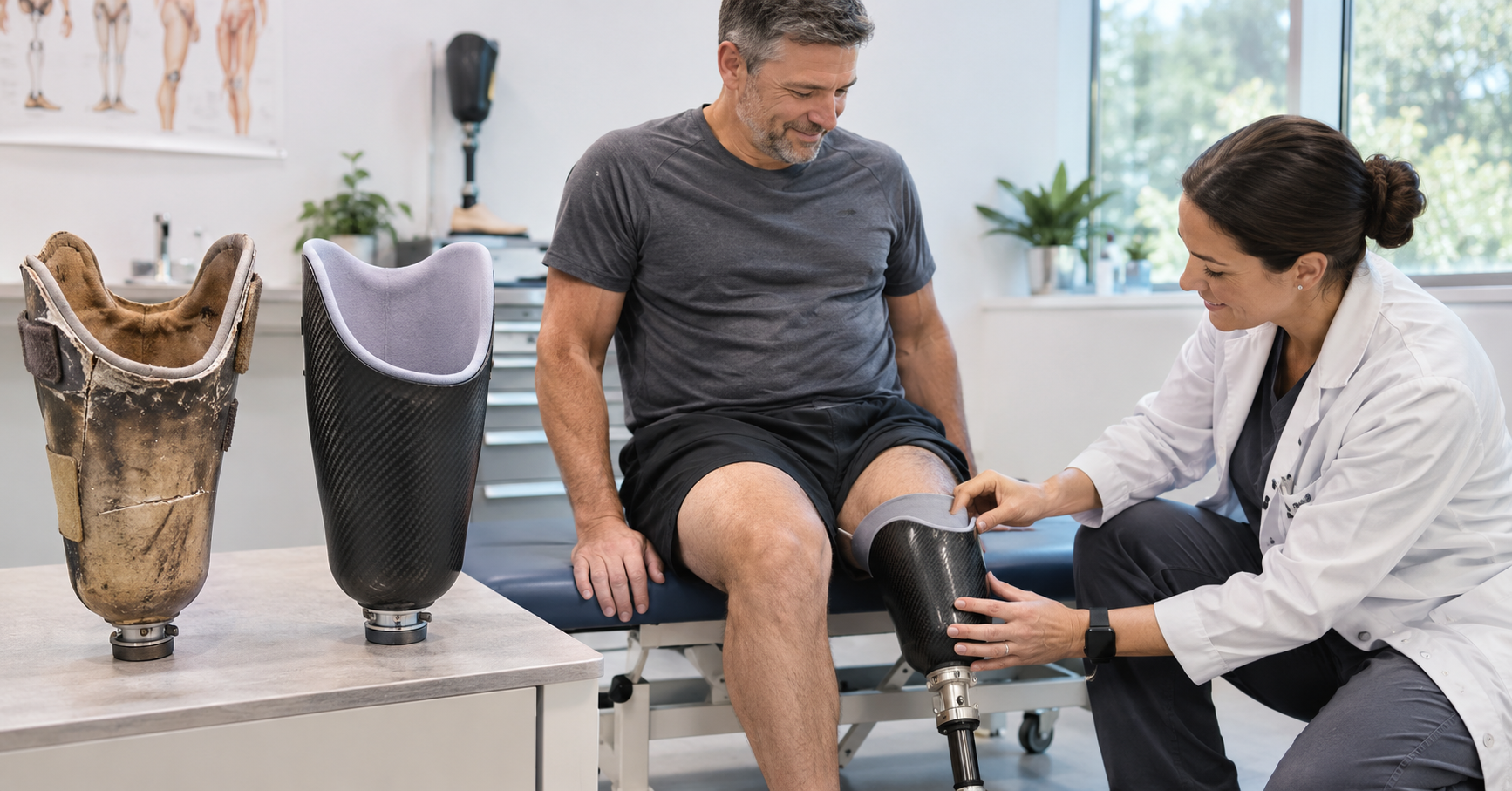
Replacement is more likely when the limb has changed substantially, the socket structure is damaged, skin problems keep recurring, comfort cannot be restored with modifications or control has become poor. A cracked or structurally compromised socket should be taken out of service until professionally assessed.
What Does a Replacement Socket Cost in India?
There is no reliable single price because cost depends on amputation level, materials, liner, suspension, diagnostic socket process and whether other components need modification. A basic thermoplastic or laminated socket can cost much less than an advanced vacuum or flexible-inner socket system. Ask for a quote that separates the socket from liner and component costs.
The Socket Refitting Process
A refit begins with assessment of the residual limb, current socket and gait. The prosthetist measures or casts the limb and may make a diagnostic test socket. That test socket is adjusted while standing and walking before the definitive socket is fabricated.
After final fabrication, alignment is checked again because a new socket changes the relationship between the body and the prosthetic foot or knee. Follow-up visits are normal and should be included in the fitting plan.
Will You Need a New Liner Too?
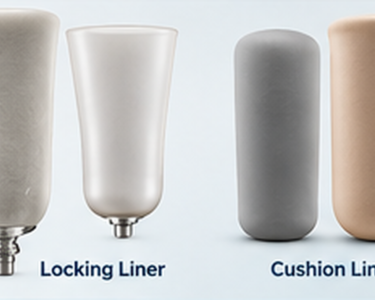
Sometimes. If the liner is worn or if the new socket uses a different suspension strategy, a new liner may be required. Protech Ortho’s locking and cushion liner options can be matched to the new socket design.
Do Not Replace Components Before Checking the Socket
Users sometimes assume discomfort means they need a new foot or knee. In many cases the interface is the real problem. Check socket fit first before spending on an upgrade, because a new component cannot compensate for an unstable connection to the body.
Socket Replacement Buyer Checklist
Before approving a new socket, ask what specifically cannot be corrected in the old one, whether a diagnostic test socket will be used, whether the existing liner can be reused, whether suspension is changing and how many follow-up adjustments are included. Also ask whether replacing the socket will require any adapter, pylon or alignment changes. A transparent quote should separate fabrication, liner, hardware and clinical services.
Common Mistakes That Delay Socket Replacement
Users often tolerate increasing sock ply for too long, continue walking on recurring wounds or buy new feet and knees before checking the socket. Another mistake is assuming discomfort after weight change will settle on its own. Early review gives the prosthetist more options for modification; waiting until the fit is severely compromised can make complete replacement unavoidable.
What to Expect During the First Weeks With a New Socket
A new socket can feel different even when it fits well because pressure distribution has changed. Follow the wear schedule given by the clinic and check the skin after use. Small adjustments are common. The goal is not to avoid every mark, but to eliminate harmful pressure, control pistoning and let the user walk without compensatory movement or fear of skin damage.
How to Make the New Socket Last Longer
Stable body weight, correct liner care, appropriate sock management and early attention to pressure areas can help preserve fit. Avoid modifying the socket yourself or using improvised padding that changes alignment. Keep follow-up appointments after major activity changes and have worn liners replaced before they create extra space. A socket still may need replacement as the body changes, but good management can reduce avoidable problems and help the prosthetist make smaller adjustments earlier.
Cost Questions to Ask Before Refitting
Ask whether the quote includes the diagnostic socket, definitive socket, liner, suspension hardware, alignment and follow-up. If your existing foot and knee can be reused, confirm whether their adapters are compatible with the new socket. Also ask what happens if the diagnostic socket needs major revision. A detailed quote is more useful than a single “socket price” because it shows which parts of the refit are actually driving cost.
Replace the Socket When Fit Can No Longer Be Safely Restored
A new socket is justified when discomfort, skin problems, instability or body changes cannot be corrected through reasonable adjustments. Do not wait for the problem to become an open wound or a fall risk. A professional review through Protech Ortho can determine whether you need a liner change, socket modification or full replacement.
Frequently Asked Questions
How long does a prosthetic socket last?
There is no fixed lifespan. It lasts until body changes, wear or damage make fit or safety unacceptable.
How do I know if my socket is too loose?
Common signs include pistoning, rotation, increasing sock ply and reduced control.
How do I know if it is too tight?
Pain, pressure, numbness, difficulty donning and persistent skin marks can indicate excessive tightness.
Can a loose socket be padded?
Sometimes, especially for modest volume changes, but major changes may require replacement.
Does weight loss mean I need a new socket?
Not always, but significant weight loss often changes fit enough to require major modification or replacement.
Can I keep walking with a blister?
Do not ignore skin damage. Reduce wear and seek clinical advice before it worsens.
Will a new socket require gait training?
Often yes, because alignment and loading change with the new interface.
Do I need a new liner with every socket?
Not necessarily, but the liner must fit correctly and be compatible with the new socket.
Can a socket be repaired?
Some minor issues can be repaired or modified; structural damage requires professional assessment.
Where can I get a socket refit?
Protech Ortho offers custom socket fitting and gait services.
Medical & Fitting Note
This article is general educational and buying guidance. Prosthetic components, sockets and suspension systems must be selected and fitted by qualified prosthetic professionals based on individual clinical assessment. Prices and product availability can change; request a current quote before purchase.