
Summary
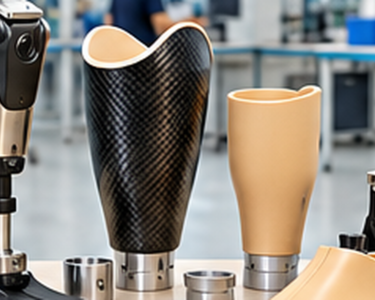
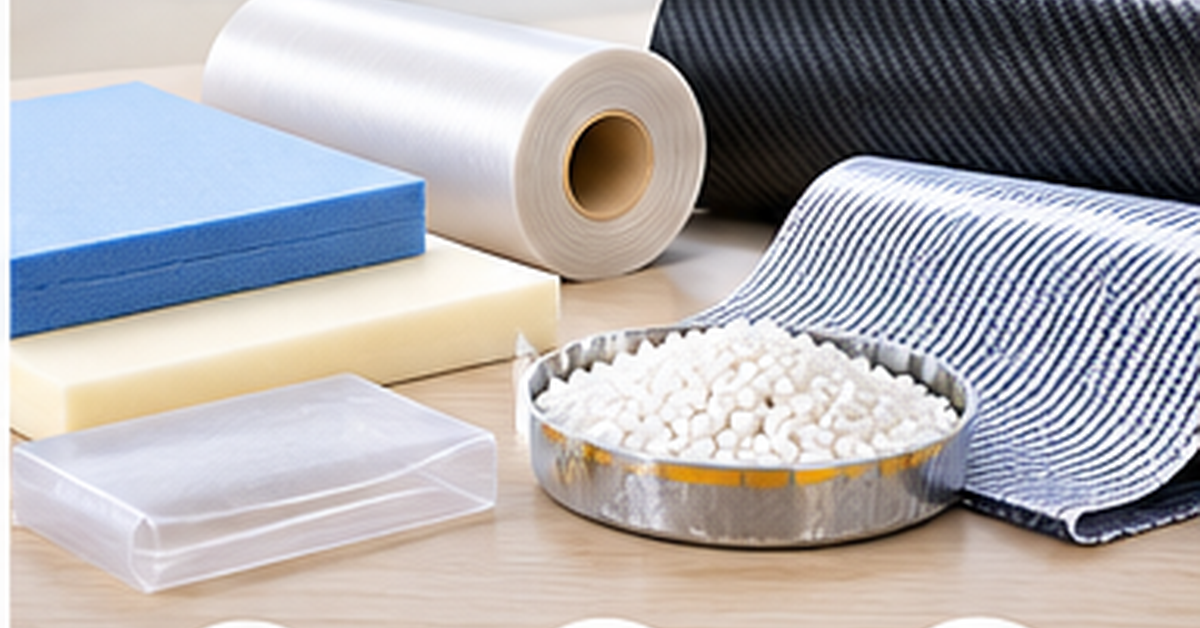
Fabrication centres depend on consistent raw materials for socket lamination, thermoforming, padding, reinforcement and finishing. Purchasing decisions should consider material grade, batch consistency, storage, curing behaviour, shelf life, safety data, compatibility with workshop processes and supplier support. This guide provides a practical procurement framework.
A prosthetic or orthotic workshop can have skilled technicians and excellent machinery but still produce inconsistent results if its raw materials vary. Resins that cure unpredictably, foams with different density, low-quality stockinette or poorly stored hardener can waste labour and compromise fit. Raw-material procurement should therefore be managed with the same discipline as component purchasing.
Map Materials to Your Fabrication Processes
Start by listing the products your centre fabricates: laminated prosthetic sockets, thermoplastic sockets, AFOs, KAFOs, cosmetic covers, test sockets, orthotic shells and custom padding. Each process requires a different material set.
Protech Ortho’s raw materials range includes acrylic laminating resins, carbon-oriented resin, sealing resin, hardener, epoxy systems and foam build-up materials alongside workshop equipment.
Acrylic and Composite Resins
Laminating resin binds reinforcement layers into a rigid socket or structural part. Buyers should compare viscosity, cure behaviour, transparency, compatibility with reinforcement and recommended hardener percentage.
Carbon-focused resin may be formulated for improved wet-out of carbon reinforcement and high-strength laminates. Do not substitute resin systems without checking cure chemistry and manufacturer guidance.
Hardener and Mixing Control
The quality of the final laminate depends on accurate resin-to-hardener ratios, temperature and working time. Purchasing teams should ensure hardener is supplied in compatible packaging and technicians use controlled measuring procedures.
Thermoplastic Sheets
Polypropylene, polyethylene and other thermoplastics are widely used in orthotic and some prosthetic fabrication because they can be heated and formed. Sheet thickness, stiffness, surface finish, colour and batch consistency matter.
Centres should standardise preferred grades for common devices so technicians are not repeatedly changing forming temperatures and trim behaviour.
Foams and Padding Materials
Foams are used for build-up, cushioning, interfaces and cosmetic shaping. Density, hardness, resilience, thickness and skin-contact suitability should be matched to the application.
Cheap foam that compresses rapidly can create avoidable rework and user discomfort, so procurement should consider durability rather than only cost per sheet.
Reinforcement: Carbon, Fibreglass and Stockinette
Laminated sockets may use combinations of stockinette, fibreglass and carbon reinforcement. The layer schedule depends on body weight, activity, socket design and engineering requirements.
Buyers should verify fibre type, weave or tubular format, width and consistent supply. Changing reinforcement without adjusting the lay-up can change stiffness and strength.
PVA Bags, Release Materials and Consumables
Lamination also depends on bags, release films, tapes, pigments, solvents, gloves and other consumables. Small items can stop production when they run out, so minimum stock levels should be defined.
Check Shelf Life and Storage Conditions
Resins and hardeners can degrade if stored incorrectly or used past their recommended shelf life. Record batch numbers and expiry dates, rotate stock and keep materials within the manufacturer’s temperature and moisture recommendations.
Safety Data and Workshop Ventilation
Chemical products require safe handling. Procurement teams should obtain Safety Data Sheets, provide appropriate PPE, maintain ventilation and train staff in spill and fire procedures.
Never select a resin only on price without understanding its handling requirements.
Batch Consistency and Incoming Inspection
For repeatable fabrication, incoming materials should be checked against purchase specifications. Note colour, viscosity, packaging integrity, sheet thickness, foam hardness and any obvious contamination.
Choose Pack Sizes That Match Throughput
Large packs may reduce unit cost but increase waste if the centre cannot use the material before expiry. Smaller centres should balance price with actual monthly consumption.
Supplier Reliability Matters as Much as Material Price
Fabrication centres need predictable replenishment. Ask about standard lead time, minimum order quantities, technical support and whether the supplier also provides related tools or machinery.
Protech Ortho supplies P&O raw materials and workshop solutions and lists machinery and technical support for hospitals, NGOs and fabrication centres.
Create Material Specifications Before Requesting Quotes
Instead of asking suppliers for 'resin' or 'foam', define the exact grade, pack size, viscosity or density requirements, colour, shelf life and intended process. Clear specifications make quotations comparable and reduce unwanted substitutions.
Match Material Purchasing to Workshop Capacity
A centre with vacuum lamination, infrared ovens and high-volume fabrication will use materials differently from a small clinic that outsources some work. Buy materials that match the equipment and processes actually available.
Calculate Real Material Cost per Device
The cheapest pack is not necessarily the cheapest socket. Include wastage, failed laminations, expired material, rework and technician time. A consistent resin that produces fewer failures can be more economical even when the purchase price is higher.
Maintain Approved Supplier and Material Lists
Document which resin, hardener, thermoplastic, foam and reinforcement combinations have been validated for each product type. When a supplier changes formulation or packaging, review it before automatically accepting the new batch.
Common Purchasing Mistakes
Avoid overstocking chemical materials with limited shelf life, storing resins in uncontrolled heat, mixing hardeners from different systems, and changing sheet materials without updating forming parameters. Another common mistake is letting stock run so low that technicians are forced to improvise with unapproved substitutes.
Plan for Waste and Environmental Handling
Resin containers, solvents, contaminated PPE and composite offcuts may require controlled disposal. Procurement teams should consider safe storage, spill management and waste procedures when selecting materials, not after the order arrives.
Thermoplastic Quality Checks
Measure sheet thickness at incoming inspection and inspect for warping, contamination or inconsistent surface finish. If a new batch behaves differently during heating, record oven temperature, forming time and cooling behaviour before using it for routine patient fabrication.
Thermoplastic inconsistency can appear as bubbles, thinning, poor drape or stress whitening, all of which may increase rework.
Resin and Composite Quality Checks
For resin systems, inspect packaging seals, colour and viscosity and confirm the batch and expiry date. During trial use, note working time and cure quality. Reinforcement should be stored dry and protected from contamination so the laminate bonds properly.
Procurement for High-Volume Centres
Large fabrication centres can negotiate scheduled deliveries rather than holding months of chemical stock. A blanket purchase order with monthly release quantities may reduce expiry risk while preserving price and availability.
High-volume centres should also maintain a second approved source for critical consumables where possible, but substitutions should still follow technical validation.
Questions to Ask a Raw-Material Supplier
Ask for technical data, Safety Data Sheets, shelf life, recommended storage, compatible hardener or processing system, pack sizes, minimum order quantity and lead time. For workshop setup, also ask whether the supplier provides equipment guidance and technical training.
Build a Standardised Purchasing List for Better Quality
A controlled material list reduces technician variation, simplifies training and makes quality problems easier to trace. Define approved resin, hardener, sheet, foam and reinforcement specifications for each common fabrication process.
For bulk procurement or workshop setup, contact Protech Ortho to confirm current pack sizes, availability and technical requirements.
Frequently Asked Questions
What raw materials are commonly used in prosthetic socket fabrication?
Common materials include acrylic or epoxy resins, reinforcement fabrics, carbon fibre, stockinette, PVA bags, foams and thermoplastics.
Why does resin viscosity matter?
It affects how well resin wets reinforcement and how easily technicians control the lamination process.
Can I use any hardener with acrylic resin?
No. Use the hardener system recommended for the specific resin.
How should raw materials be stored?
Follow the manufacturer’s temperature, moisture, ventilation and shelf-life instructions.
Why should fabrication centres track batch numbers?
Batch traceability helps investigate quality variation and supports inventory control.
Are thermoplastic sheets interchangeable?
Not always. Different polymers and grades have different forming temperatures, stiffness and durability.
How do I choose foam hardness?
Match density and hardness to cushioning, build-up or structural requirements.
Should small centres buy the largest resin pack?
Only if they can use it within its shelf life; otherwise a smaller pack may reduce waste.
What safety information should a supplier provide?
Safety Data Sheets, handling instructions, storage guidance and technical specifications are important.
Does Protech Ortho supply workshop materials and machinery?
Yes. Its product range includes raw materials, machines and workshop-related equipment for prosthetic and orthotic fabrication.